

 Brigham A. McCown: CONTRIBUTOR: 3 August 2015
Last week, Greenpeace activists succeeded in temporarily halting Shell’s icebreaker, MSV Fennica, from starting its voyage out of Portland, Oregon. The vessel was to join the rest of the fleet on its way to the Artic to begin oil exploration. In defiance of a federal court injunction to halt river traffic, 13 Greenpeace activists hung off St. Johns Bridge while kayaks below blocked the waterway, preventing the ship from passing under the bridge. After a day of delays, the vessel left Oregon early Friday morning with the help of law enforcement, after a federal judge found Greenpeace in contempt and fined them $17,500 for impeding the ships progress.
The reason for such vehement protests was sparked by a greater attempt to stop the Arctic drilling program entirely. Greenpeace claims the program would strike a blow to the global fight against climate change and endanger the eco-system in the Arctic Circle. Commenting on the situation, Sen. Merkely (D-OR) stated it was a “make-or-break moment for our environment and our future climate.”
The Arctic carries a forecasted 26 billion barrels of oil, previously untapped due to the lack of infrastructure. The Shell initiative first began in 2012, but was halted shortly after it began by the U.S Department of Interior due to several safety concerns. The current conditional approval was granted after Shell fulfilled 18 separate safety requirements and environmental compliance guarantees.
The irony was the ships cargo was transporting before being blocked by protestors. The ship was transporting a well cap, an important piece of safety equipment, which Shell requires to start the operations in the north. It is also important to note, Shell has not been granted permission to actually extract oil but merely begin groundwork for the project.
This project has been launched at a significant point in time as U.S. lawmakers consider the removal of the U.S crude oil export ban. Increasing attention is being paid to the prospect of using energy diplomacy to achieve foreign policy objectives, especially in helping Europe gain energy independence from energy dominant countries, such as Russia.
While environmental preservation is a primary concern, this debate should also take into consideration the importance of projects of this nature in securing U.S. national interests. With even the rosiest of renewable projections forecasting significant reliance on fossil fuels well into the next generation, exactly why are these projects being targeted?
Supporters of further oil and gas exploration believe a domestic energy surplus not only has the potential to drive down domestic costs and boost the economy, but the ability to export U.S oil boosts American business opportunities and helps strengthen U.S influence aboard. Opponents say overseas producers can meet existing demand and further strides in renewables will continue to transform the industry without the need to produce more domestically.
Mr. McCown is a former government executive, attorney, and public policy expert. A retired U.S. Naval Aviator, he is also an avid baseball fan who calls it as he sees it, right down the middle. To learn more, visit him at brighammccown.com or follow @BAMcCown.
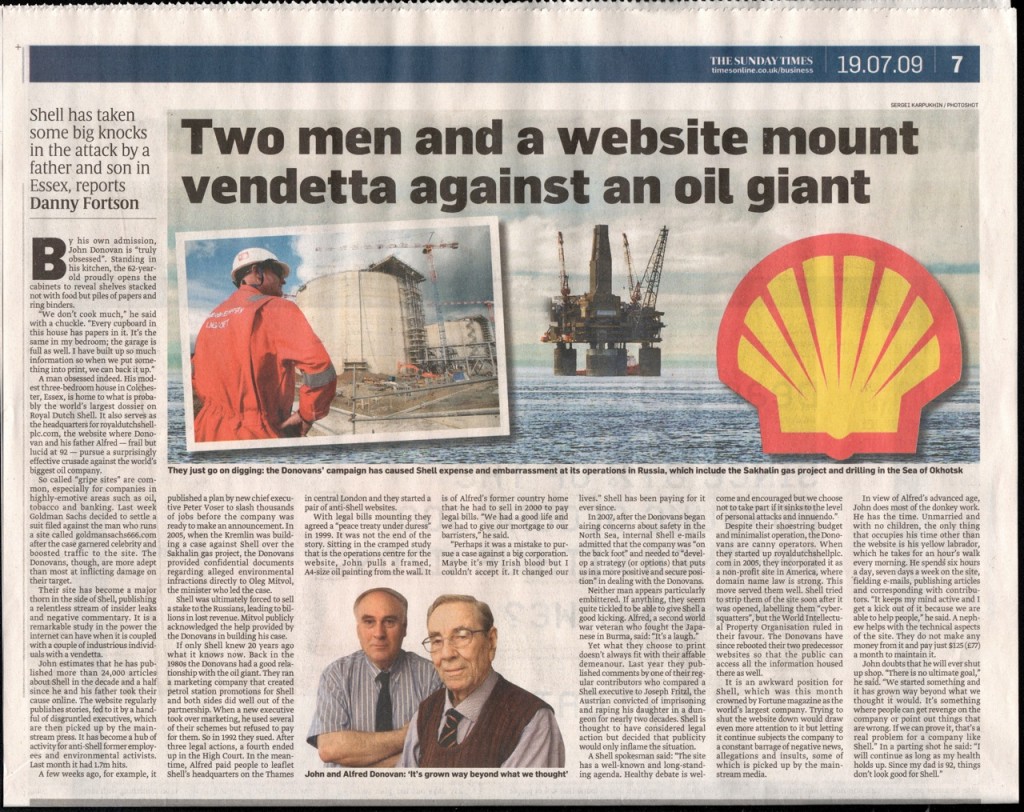
This website and sisters royaldutchshellplc.com, shellnazihistory.com, royaldutchshell.website, johndonovan.website, and shellnews.net, are owned by John Donovan. There is also a Wikipedia segment.


 Royal Dutch Shell conspired directly with Hitler, financed the Nazi Party, was anti-Semitic and sold out its own Dutch Jewish employees to the Nazis. Shell had a close relationship with the Nazis during and after the reign of Sir Henri Deterding, an ardent Nazi, and the founder and decades long leader of the Royal Dutch Shell Group. His burial ceremony, which had all the trappings of a state funeral, was held at his private estate in Mecklenburg, Germany. The spectacle (photographs below) included a funeral procession led by a horse drawn funeral hearse with senior Nazis officials and senior Royal Dutch Shell directors in attendance, Nazi salutes at the graveside, swastika banners on display and wreaths and personal tributes from Adolf Hitler and Reichsmarschall, Hermann Goring. Deterding was an honored associate and supporter of Hitler and a personal friend of Goring.

 Deterding was the guest of Hitler during a four day summit meeting at Berchtesgaden. Sir Henri and Hitler both had ambitions on Russian oil fields. Only an honored personal guest would be rewarded with a private four day meeting at Hitler’s mountain top retreat.


 IN JULY 2007, MR BILL CAMPBELL (ABOVE, A RETIRED GROUP AUDITOR OF SHELL INTERNATIONAL SENT AN EMAIL TO EVERY UK MP AND MEMBER OF THE HOUSE OF LORDS:


 MORE DETAILS:


 A head-cut image of Alfred Donovan (now deceased) appears courtesy of The Wall Street Journal.