By Ilya Garger,
Last Update: 3:33 AM ET Sep 19, 2006
HONG KONG (MarketWatch) — A Russian government decision to withdraw environmental approval for the Sakhalin-2 oil and gas project has strained relations with Japan and caused shares in two Japanese firms with stakes in the project to fall.
Japanese cabinet secretary Shinzo Abe, who’s also a candidate to become the country’s next prime minister, said Tuesday that Russia’s move “might have a negative influence on overall Japan-Russia relations” if it causes delays in the project.
Russia said Monday it was pulling the project’s environmental permit, which will force work to halt.
The project is located on Sakhalin Island in the Russian Far East, immediately north of Japan.
The project, led by Royal Dutch Shell is likely to cost $20 billion.
Shell holds a 55% stake, while Japan’s Mitsui & Co. owns 25% and Mitsubishi Corp. owns 20%.
Shell’s London-listed shares advanced on Tuesday, with Shell up 0.8% in early trade.
While the conflict is ostensibly over environmental issues, the Russian government itself has said there are other factors in play.
Russia’s minister of natural resources, Yuri Trutnev, said the decision to withdraw approval was an effort to defend Russia’s interests after Shell doubled the project’s estimated cost from $10 billion.
Since the Russian government is entitled to a share of revenues after the investment has been recouped, the cost overrun would cost it financially.
Officials may also be using the environmental issue as a way of pressuring Shell to allow Russian firms into the project on favorable terms.
Shell has been negotiating with Russia’s Gazprom with a view to giving it a stake in the project.
Ilya Garger is a reporter for MarketWatch based in Hong Kong.
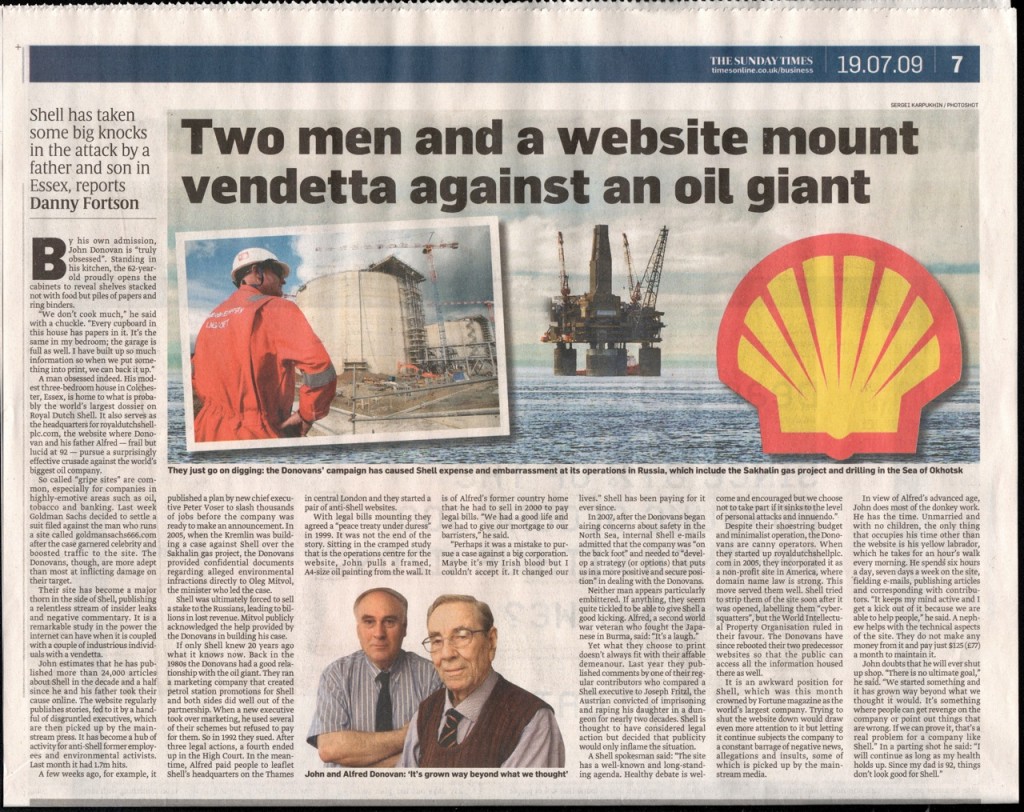
This website and sisters royaldutchshellplc.com, shellnazihistory.com, royaldutchshell.website, johndonovan.website, and shellnews.net, are owned by John Donovan. There is also a Wikipedia segment.


 Royal Dutch Shell conspired directly with Hitler, financed the Nazi Party, was anti-Semitic and sold out its own Dutch Jewish employees to the Nazis. Shell had a close relationship with the Nazis during and after the reign of Sir Henri Deterding, an ardent Nazi, and the founder and decades long leader of the Royal Dutch Shell Group. His burial ceremony, which had all the trappings of a state funeral, was held at his private estate in Mecklenburg, Germany. The spectacle (photographs below) included a funeral procession led by a horse drawn funeral hearse with senior Nazis officials and senior Royal Dutch Shell directors in attendance, Nazi salutes at the graveside, swastika banners on display and wreaths and personal tributes from Adolf Hitler and Reichsmarschall, Hermann Goring. Deterding was an honored associate and supporter of Hitler and a personal friend of Goring.

 Deterding was the guest of Hitler during a four day summit meeting at Berchtesgaden. Sir Henri and Hitler both had ambitions on Russian oil fields. Only an honored personal guest would be rewarded with a private four day meeting at Hitler’s mountain top retreat.


 IN JULY 2007, MR BILL CAMPBELL (ABOVE, A RETIRED GROUP AUDITOR OF SHELL INTERNATIONAL SENT AN EMAIL TO EVERY UK MP AND MEMBER OF THE HOUSE OF LORDS:


 MORE DETAILS:


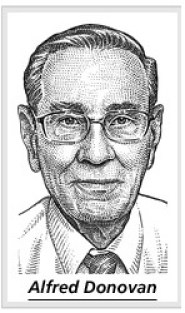 A head-cut image of Alfred Donovan (now deceased) appears courtesy of The Wall Street Journal.