September 19, 2006
It’s a tough time to be a foreign oil company in Russia. Just ask Royal Dutch Shell. Russia’s resources ministry has canceled its environmental approvals for Shell’s Sakhalin-2, which could effectively halt the $20 billion oil and gas project. Exxon Mobil, too, is running into problems with Russia’s government over its own Sakhalin development.
The sabre-rattling has made people wonder if the Kremlin isn’t planning another Yukos-style raid on energy assets. The Sakhalin fields are the only two big ones left in Russia controlled by foreign groups.
It’s probably true that the Kremlin would love to torpedo the pair of Sakhalin projects. President Vladimir Putin isn’t happy with the way big projects were dished out to foreign oil companies in the 1990s under Production Sharing Agreements (PSAs). Back then, Russia was weak and the oil price was low. The Russian state doesn’t get a cut on these projects until foreign oil companies have recovered the cost of their investment. To stand in line behind international oil companies is humiliating.
But Russia is more likely just trying to bully Shell to cut local energy operators — in the shape of state-run Gazprom — a deal on Sakhalin on favorable terms. Gazprom and Shell have been negotiating a swap of an onshore oil field for a 25% stake in Sakhalin for more than a year. The Kremlin is also turning the screw on Exxon, whose plans to supply China from its Sakhalin field would effectively break Gazprom’s monopoly over exports.
Annoyed as it is, the Kremlin will probably think hard before reneging on these deals. Unlike Yukos, which was a domestic Russian issue, the PSAs are governed by international law. Russia is also hoping to tap investors for $20 billion to $30 billion of initial public offerings in the next 18 months, including the privatization of the state electricity company and the railways. It will be difficult to persuade investors to buy into regulated companies if the government is seen to go back on its word.
–Fiona Maharg-Bravo, Hugo Dixon, Mike Verdin, John Foley
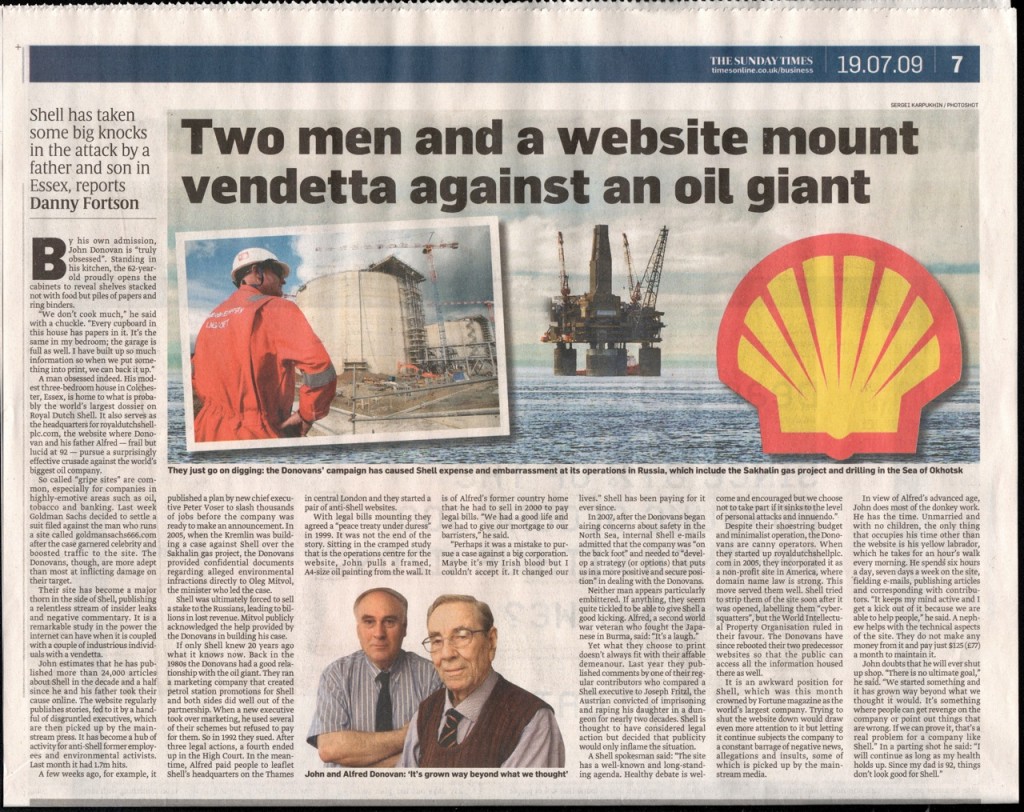
This website and sisters royaldutchshellplc.com, shellnazihistory.com, royaldutchshell.website, johndonovan.website, and shellnews.net, are owned by John Donovan. There is also a Wikipedia segment.


 Royal Dutch Shell conspired directly with Hitler, financed the Nazi Party, was anti-Semitic and sold out its own Dutch Jewish employees to the Nazis. Shell had a close relationship with the Nazis during and after the reign of Sir Henri Deterding, an ardent Nazi, and the founder and decades long leader of the Royal Dutch Shell Group. His burial ceremony, which had all the trappings of a state funeral, was held at his private estate in Mecklenburg, Germany. The spectacle (photographs below) included a funeral procession led by a horse drawn funeral hearse with senior Nazis officials and senior Royal Dutch Shell directors in attendance, Nazi salutes at the graveside, swastika banners on display and wreaths and personal tributes from Adolf Hitler and Reichsmarschall, Hermann Goring. Deterding was an honored associate and supporter of Hitler and a personal friend of Goring.

 Deterding was the guest of Hitler during a four day summit meeting at Berchtesgaden. Sir Henri and Hitler both had ambitions on Russian oil fields. Only an honored personal guest would be rewarded with a private four day meeting at Hitler’s mountain top retreat.


 IN JULY 2007, MR BILL CAMPBELL (ABOVE, A RETIRED GROUP AUDITOR OF SHELL INTERNATIONAL SENT AN EMAIL TO EVERY UK MP AND MEMBER OF THE HOUSE OF LORDS:


 MORE DETAILS:


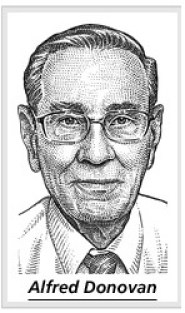 A head-cut image of Alfred Donovan (now deceased) appears courtesy of The Wall Street Journal.