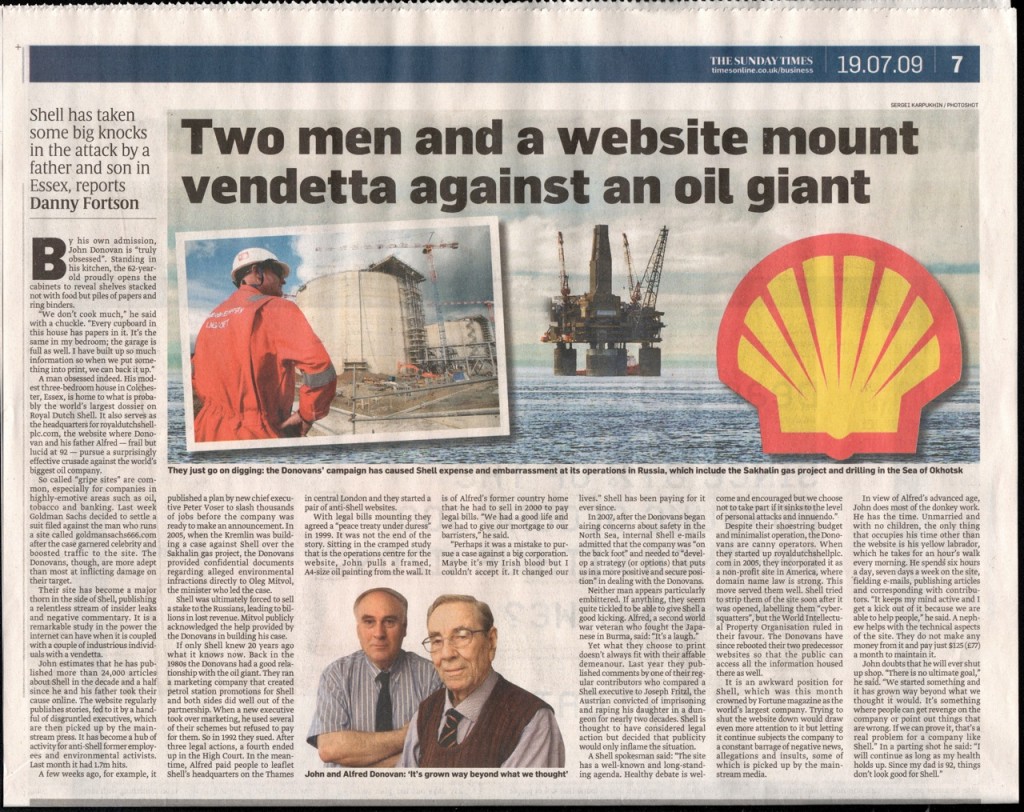
The Guardian: Flare-up over Shell’s ‘double standards’
FoE report questions oil group’s green credentials
David Gow
Thursday June 24, 2004
Shell’s battered reputation took another pounding yesterday when Friends of the Earth and activists from around the world accused the Anglo-Dutch energy group of polluting communities, damaging wildlife and endangering human health.
Tony Juniper, FoE’s executive director, said Shell – a self-styled pioneer in sustainable development – had exaggerated its social and environmental performance in the same way as it had overstated its oil and gas reserves.
The devastating critique, in the form of an alternative annual report, Beyond the Shine, condemns Shell for using double standards in rich and poor regions and making empty promises about making good the damage it has allegedly wrought.
It comes just days before Monday’s annual meetings in London and The Hague, where shareholders are being pressed by campaigners to register substantial protests against Shell’s global activities.
The community activists – from Nigeria and Siberia, the US and South Africa – are meeting City institutions tomorrow to urge backing for their case. Several local groups in areas where Shell operates have launched lawsuits against the group.
But the company stood by its record, saying it was in continuous dialogue with local groups and NGOs at a senior level and had taken a series of practical steps in the past year to improve its performance in corporate social responsibility.
Yesterday’s fresh campaign coincided with renewed demands from FoE for legislation to force company directors to report on the social and environmental impacts of their company’s activities.
Mr Juniper, insisting that the voluntarist approach promoted by Shell had failed, said directors should be given new legal duties to take “reasonable steps to mitigate, reduce, minimise or eliminate negative social and environmental impact”.
The group also wants the next government to reform company law so overseas communities can seek redress and compensation in the UK for human rights and environmental abuses carried out by British companies and their subsidiaries. Outlining such abuses experienced by “fenceline” communities, Hilton Kelley, the founder of Community In Power and Development in Port Arthur, Texas, claimed the Shell refinery was emitting 200-300 times the allowed emissions of chemicals – many of them carcinogenic.
Mr Kelley, who is taking legal action against Shell, said: “We are not going to allow our women and kids to suffer in silence.” He said children suffered from asthma and cancerous tumours while women, including members of his family, had had their uterus and ovaries removed. He and other activists accused Sir Philip Watts, the ex-chairman forced to resign earlier this year over the reserves fiasco, of reneging on promises during talks at the 2003 meeting to resolve problems and get local management actively involved.
Desmond D’Sa, from Durban, South Africa, said Shell was using outdated equipment and processes at the local refinery and accused it of refusing to install the clean technology it operates at a Danish refinery. Lena Mezhannaya, from Sakhalin, where Shell is promoting a huge oil and gas facility, accused the group of damaging fish reserves, planning to pump sewage and soil into the sea, failing to deliver promised jobs and presiding over rising crime. Oronto Douglas, from the Niger delta, source of 10% of Shell’s oil, accusing it of encouraging violent conflict, urged it to stop flaring off gas, and to clean up more than 50 oil spills over the past year.
A company spokesman said that at each local site represented at last year’s annual meeting action plans had been implemented to “enhance communication and understanding of the issues and start to address some of the concerns … ”
He said: “We recognise the scale of the challenges we face. We believe we are making considerable progress and seek to learn from the experience of individual operations … ” Shell claims, inter alia, to be the first company to make a commitment to resist drilling in natural world heritage sites, to have issued HIV-Aids guidelines in five African countries and to have made the first carbon trade in the European Union’s CO2 emissions scheme.
http://www.guardian.co.uk/oil/story/0,11319,1246018,00.html
This website and sisters royaldutchshellplc.com, shellnazihistory.com, royaldutchshell.website, johndonovan.website, and shellnews.net, are owned by John Donovan. There is also a Wikipedia segment.


 Royal Dutch Shell conspired directly with Hitler, financed the Nazi Party, was anti-Semitic and sold out its own Dutch Jewish employees to the Nazis. Shell had a close relationship with the Nazis during and after the reign of Sir Henri Deterding, an ardent Nazi, and the founder and decades long leader of the Royal Dutch Shell Group. His burial ceremony, which had all the trappings of a state funeral, was held at his private estate in Mecklenburg, Germany. The spectacle (photographs below) included a funeral procession led by a horse drawn funeral hearse with senior Nazis officials and senior Royal Dutch Shell directors in attendance, Nazi salutes at the graveside, swastika banners on display and wreaths and personal tributes from Adolf Hitler and Reichsmarschall, Hermann Goring. Deterding was an honored associate and supporter of Hitler and a personal friend of Goring.

 Deterding was the guest of Hitler during a four day summit meeting at Berchtesgaden. Sir Henri and Hitler both had ambitions on Russian oil fields. Only an honored personal guest would be rewarded with a private four day meeting at Hitler’s mountain top retreat.


 IN JULY 2007, MR BILL CAMPBELL (ABOVE, A RETIRED GROUP AUDITOR OF SHELL INTERNATIONAL SENT AN EMAIL TO EVERY UK MP AND MEMBER OF THE HOUSE OF LORDS:


 MORE DETAILS:


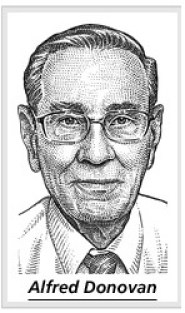 A head-cut image of Alfred Donovan (now deceased) appears courtesy of The Wall Street Journal.