

 By Jack Gray:
Environmental lawyers at ClientEarth have criticised The Pensions Ombudsman’s (TPO) decision not to uphold a complaint against the Shell Contributory Pension Fund’s (SCPF) climate risk policies.
Concerns were raised as TPO did not ask the SCPF to release information to the claimant about how it deals with the financial risks posed by its investments in fossil fuels and its sponsorship by an oil and gas company.
SCPF member Christoph Harwood had been seeking reassurance that the scheme is properly dealing with risks posed to members’ pension as a result of their policies.
Harwood sought answers from the scheme for two years before taking his case to TPO at the end of 2018.
Following the decision, Harwood stated: “Obviously I’m disappointed by the Ombudsman’s decision but I won’t be launching an appeal. I’d like to thank ClientEarth for their help with this complaint.”
Although TPO decided not to uphold his complaint, the SCPF has updated its Statement of Investment Principles, which now states that the SCPF incorporates financial risks relating to climate change into its scenario analysis for asset liability modelling.
ClientEarth pensions lawyer, Joanne Etherton, said that the wording of the decision suggested that TPO “may not have fully read the complaint” and that its failure to engage with the case law in the submission “raises serious concerns about TPO’s decision-making process and access to justice for members of pension schemes.”
She continued: “At the time of the complaint, none of the scheme’s policies provided to Mr Harwood included even a mention of climate change. With such a lack of transparency, it’s impossible for members to take comfort that the risks are being addressed.
“We are somewhat encouraged by these policy changes and hope that this spells the beginning of systematic management of the risks posed to SCPF by climate change.
“But this case highlights the need for greater regulatory oversight of this issue. One pension fund has been pushed to up its game on climate management – but it’s down to the regulators to make this a reality across the board.
“It would be unrealistic to expect a pension scheme member to go up against one of the UK’s largest pension funds in the High Court. While this is a poorly reasoned decision, there are too many barriers related to time and costs for an appeal to be a viable option.”
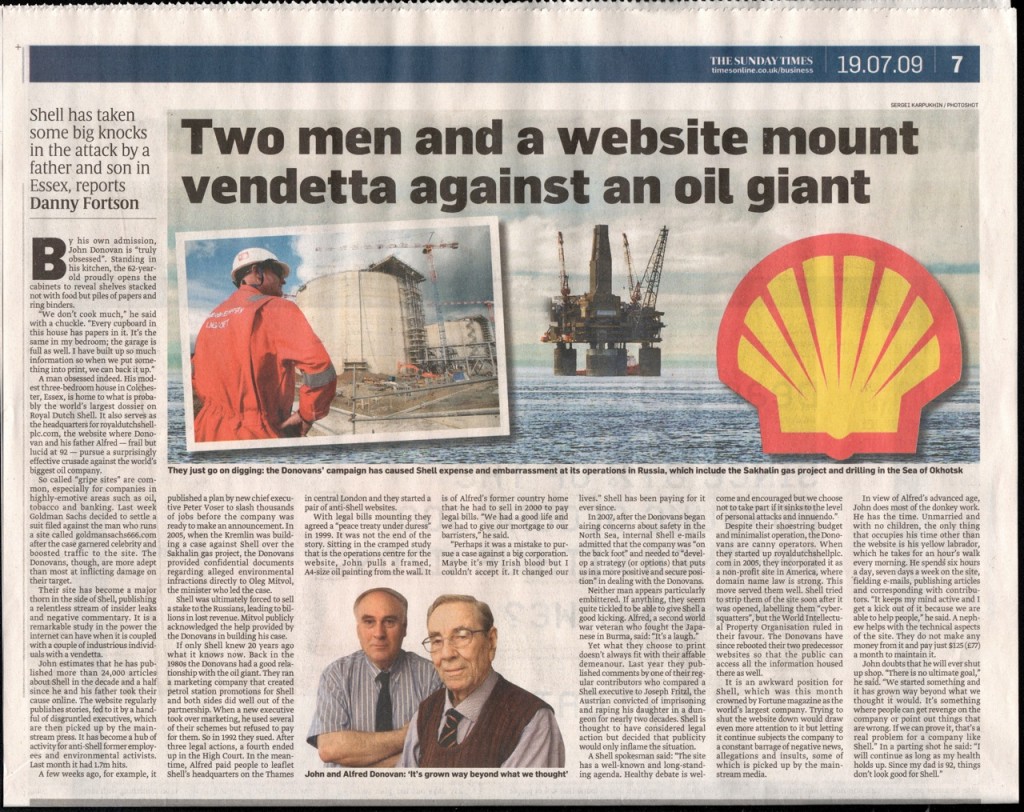
This website and sisters royaldutchshellplc.com, shellnazihistory.com, royaldutchshell.website, johndonovan.website, and shellnews.net, are owned by John Donovan. There is also a Wikipedia segment.


 Royal Dutch Shell conspired directly with Hitler, financed the Nazi Party, was anti-Semitic and sold out its own Dutch Jewish employees to the Nazis. Shell had a close relationship with the Nazis during and after the reign of Sir Henri Deterding, an ardent Nazi, and the founder and decades long leader of the Royal Dutch Shell Group. His burial ceremony, which had all the trappings of a state funeral, was held at his private estate in Mecklenburg, Germany. The spectacle (photographs below) included a funeral procession led by a horse drawn funeral hearse with senior Nazis officials and senior Royal Dutch Shell directors in attendance, Nazi salutes at the graveside, swastika banners on display and wreaths and personal tributes from Adolf Hitler and Reichsmarschall, Hermann Goring. Deterding was an honored associate and supporter of Hitler and a personal friend of Goring.

 Deterding was the guest of Hitler during a four day summit meeting at Berchtesgaden. Sir Henri and Hitler both had ambitions on Russian oil fields. Only an honored personal guest would be rewarded with a private four day meeting at Hitler’s mountain top retreat.


 IN JULY 2007, MR BILL CAMPBELL (ABOVE, A RETIRED GROUP AUDITOR OF SHELL INTERNATIONAL SENT AN EMAIL TO EVERY UK MP AND MEMBER OF THE HOUSE OF LORDS:


 MORE DETAILS:


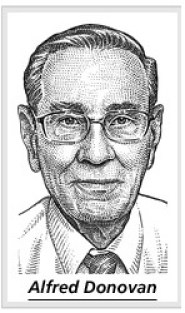 A head-cut image of Alfred Donovan (now deceased) appears courtesy of The Wall Street Journal.