Shell misses target for cutting oil spills09/05/2006 – 15:53:15
Royal Dutch Shell today blamed attacks by militants on pipelines in Nigeria and hurricanes in the United States for missing its goal of reducing oil spills in 2005.
Around 340 tonnes of oil flooded land in Nigeria during December after a key pipeline was blown up by rebels – an event that marked a series of attacks on assets owned by Shell in the country.
Shell added that spillages totalling 3,900 tonnes of oil took place in the United States last summer because of damage caused by two major hurricanes in the Gulf of Mexico.
The largest spills were at Nairn and Pilottown in Louisiana in September, prompting Shell to rethink designs and strengthen equipment so they can withstand hurricanes in future.
Unveiling its Sustainability Report for last year, Shell said spillages totalled 9,000 tonnes compared with 6,100 tonnes in 2004.
But the oil giant said it was continuing to reduce the amount of oil spilt due to corrosion or operational failures, while other aspects of its environmental record were improving.
Emissions of greenhouses gases – a key cause of global warming – fell in 2005 after rising for the past six years and it was able to cut flaring in Nigeria by 13% to stay on target to end the practice by 2009.
Nigeria is the world’s 11th largest oil producer meeting 3% of global consumption, with production of crude generating four-fifths of government revenues in the country.
However, Nigeria remains in the throes of corruption, crime and tribal conflicts. Militants are demanding a greater share of oil revenues from the Niger Delta and payments for alleged environmental damage by Shell in the country.
The sabotage to the pipeline at the end of 2005 happened despite government security forces increasing patrols and greater efforts by Shell to protect vulnerable sections.
This year, militants have killed two contractors, shut down more than 40% of Shell’s production in the country and led to the evacuation of all field staff and contractors from the western Delta.
Earlier this month, Shell blamed the attacks in Nigeria along with the ongoing impact of the hurricanes for driving its daily production between January and March below the level of last year.
Output averaged 3.7 million barrels of oil a day in the first quarter – down 3% on the corresponding period of last year.
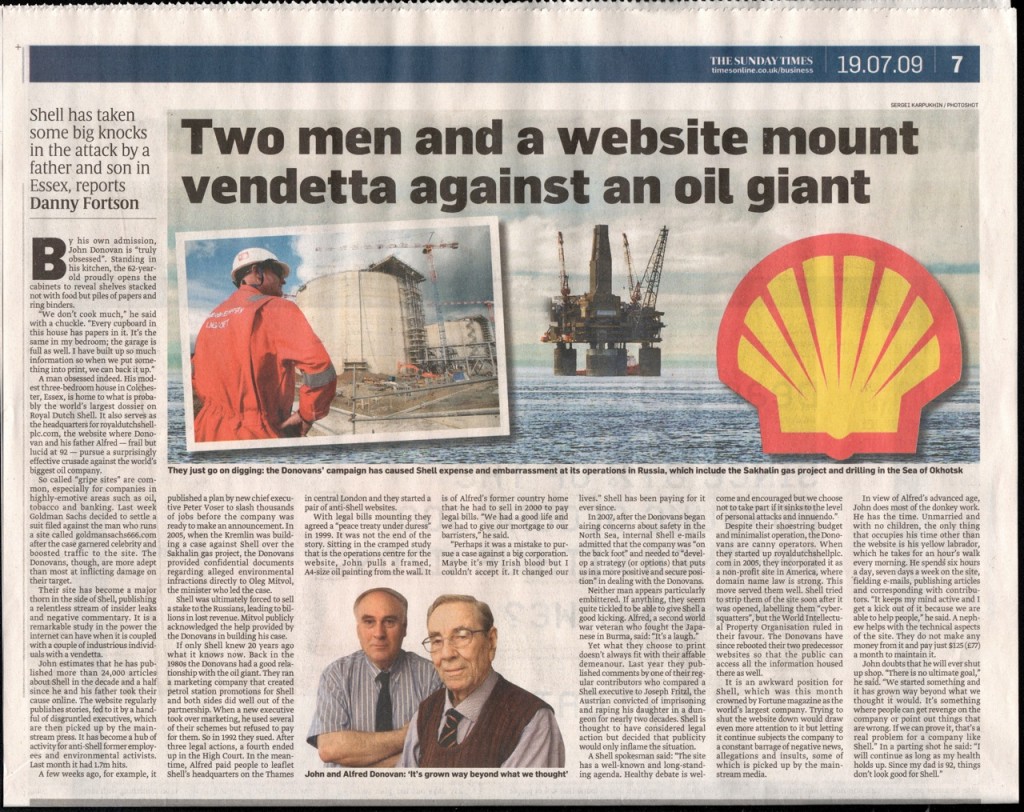
This website and sisters royaldutchshellplc.com, shellnazihistory.com, royaldutchshell.website, johndonovan.website, and shellnews.net, are owned by John Donovan. There is also a Wikipedia segment.


 Royal Dutch Shell conspired directly with Hitler, financed the Nazi Party, was anti-Semitic and sold out its own Dutch Jewish employees to the Nazis. Shell had a close relationship with the Nazis during and after the reign of Sir Henri Deterding, an ardent Nazi, and the founder and decades long leader of the Royal Dutch Shell Group. His burial ceremony, which had all the trappings of a state funeral, was held at his private estate in Mecklenburg, Germany. The spectacle (photographs below) included a funeral procession led by a horse drawn funeral hearse with senior Nazis officials and senior Royal Dutch Shell directors in attendance, Nazi salutes at the graveside, swastika banners on display and wreaths and personal tributes from Adolf Hitler and Reichsmarschall, Hermann Goring. Deterding was an honored associate and supporter of Hitler and a personal friend of Goring.

 Deterding was the guest of Hitler during a four day summit meeting at Berchtesgaden. Sir Henri and Hitler both had ambitions on Russian oil fields. Only an honored personal guest would be rewarded with a private four day meeting at Hitler’s mountain top retreat.


 IN JULY 2007, MR BILL CAMPBELL (ABOVE, A RETIRED GROUP AUDITOR OF SHELL INTERNATIONAL SENT AN EMAIL TO EVERY UK MP AND MEMBER OF THE HOUSE OF LORDS:


 MORE DETAILS:


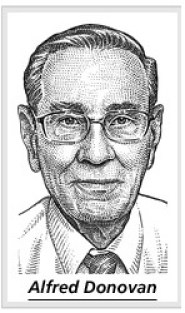 A head-cut image of Alfred Donovan (now deceased) appears courtesy of The Wall Street Journal.