

The Big Oil playbook has been straightforward for decades: Higher prices mean offshore projects that are further, deeper, more complex than ever before. It’s different this time, according to Royal Dutch Shell Plc.
Deepwater projects need to break even at $40 a barrel, or preferably lower, said Harry Brekelmans, Shell’s project and technology director, in an interview Monday, That’s almost half the cost of some projects commissioned before the 2014 oil-price crash, he said. On Monday, Brent crude, the global benchmark, rose to more than $75 a barrel in London.
“You’ve got to think about that 35-40 range,” Brekelmans said at the Offshore Technology Conference in Houston. “It’s something we want to be very disciplined around because it gives you reassurance that going forward, your portfolio is resilient.”
Shell, the second-largest publicly-traded oil major, is attempting to practice what it preaches and last week unveiled its long-awaited Vito project in the Gulf of Mexico which will produce 100,000 barrels of oil equivalent a day at its peak at a cost of less than $35 a barrel.
The project was close to getting the go-ahead in 2014 but then had to be re-engineered post crash. Project planners managed to bring the costs down by 70 percent, Shell has said, without specifying the overall capital expenditure.
How is this possible? Mostly simple things, Brekelmans said. Cutting out waste, simplifying the design, buying standardized equipment from suppliers rather than bespoke items. The new Vito design will recover less oil than the original design but at higher profit margins.
Talk is cheap and the key question for investors is whether this is sustainable across deepwater globally. Brekelmans says it is — about three quarters of the cost cuts are “structural,” he said.
“In the end investors will say, ‘show us, show us, show us,”’ Brekelmans said. “You have to demonstrate how you’re going to sustain it.”
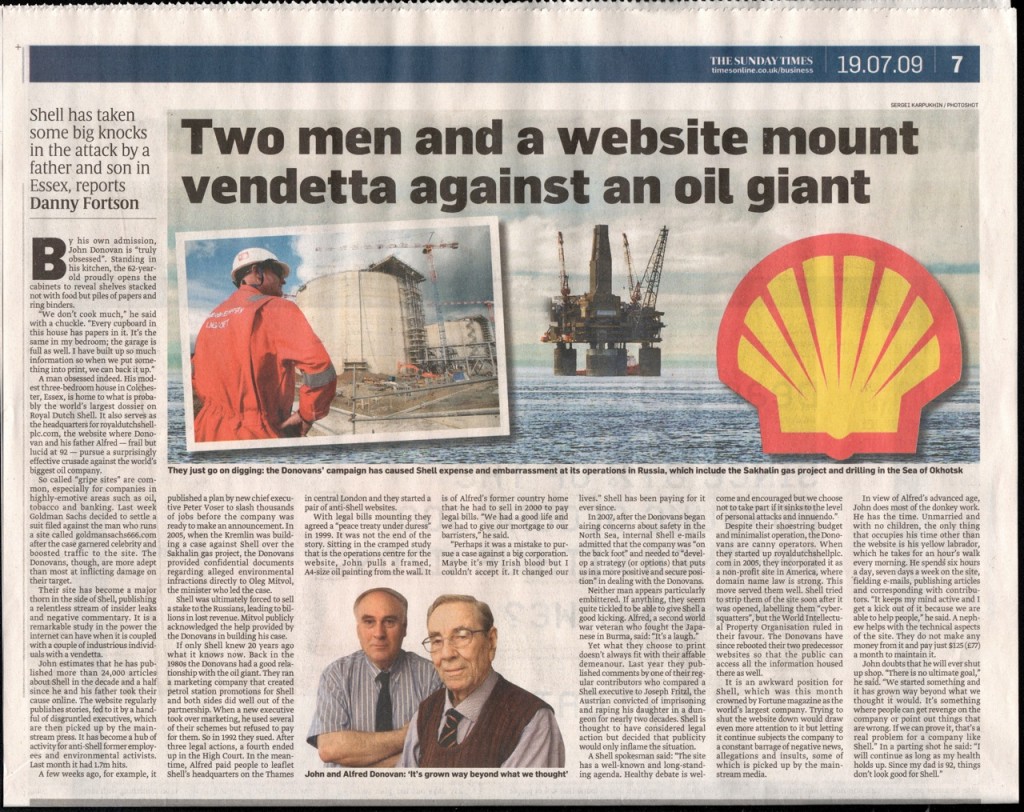
This website and sisters royaldutchshellplc.com, shellnazihistory.com, royaldutchshell.website, johndonovan.website, and shellnews.net, are owned by John Donovan. There is also a Wikipedia segment.


 Royal Dutch Shell conspired directly with Hitler, financed the Nazi Party, was anti-Semitic and sold out its own Dutch Jewish employees to the Nazis. Shell had a close relationship with the Nazis during and after the reign of Sir Henri Deterding, an ardent Nazi, and the founder and decades long leader of the Royal Dutch Shell Group. His burial ceremony, which had all the trappings of a state funeral, was held at his private estate in Mecklenburg, Germany. The spectacle (photographs below) included a funeral procession led by a horse drawn funeral hearse with senior Nazis officials and senior Royal Dutch Shell directors in attendance, Nazi salutes at the graveside, swastika banners on display and wreaths and personal tributes from Adolf Hitler and Reichsmarschall, Hermann Goring. Deterding was an honored associate and supporter of Hitler and a personal friend of Goring.

 Deterding was the guest of Hitler during a four day summit meeting at Berchtesgaden. Sir Henri and Hitler both had ambitions on Russian oil fields. Only an honored personal guest would be rewarded with a private four day meeting at Hitler’s mountain top retreat.


 IN JULY 2007, MR BILL CAMPBELL (ABOVE, A RETIRED GROUP AUDITOR OF SHELL INTERNATIONAL SENT AN EMAIL TO EVERY UK MP AND MEMBER OF THE HOUSE OF LORDS:


 MORE DETAILS:


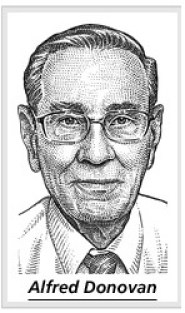 A head-cut image of Alfred Donovan (now deceased) appears courtesy of The Wall Street Journal.