
By REUTERS: PUBLISHED: 14:40, 31 October 2016
By Rania El Gamal
DUBAI, Oct 31 (Reuters) – Royal Dutch Shell and trading house Vitol are stepping up their operations in the port of Fujairah to store Iraqi crude as production from the OPEC member rises, industry sources said.
Iraq is OPEC’s second largest producer after Saudi Arabia and its output has almost doubled since the start of the decade at 4.7 million barrels per day (bpd).
With a target of 5.5-6 million bpd by 2020, Iraq wants to be exempt from the cartel’s bid to boost oil prices with production cuts to reduce a global surplus.
Located on the east coast of the United Arab Emirates at the entrance to the Strait of Hormuz, Fujairah is one of two major ports in the region along with Oman’s Sohar and is a busy refuelling point for tankers taking crude on long voyages out of the Gulf.
The emirate is keen to boost its status as a global trading hub by increasing its port storage capacity from 10 million cubic metres to 14 million cubic meters by 2020. Traditionally, it focussed on fuel to power tankers and refined oil products.
Shell leased five large crude storage tanks at the port last year to take advantage of low oil prices for the play, industry and trading sources said. Shell is an equity partner in Iraq’s Majnoon oilfield.
“The storage tanks were built specifically according to Shell’s requirements,” a trading source in Fujairah said.
“Shell wanted to avoid any fluctuations in production out of Iraq. So far they are the only ones who have a contract with (storage company) Vopak to bring crude using the new jetty,” another trading source said.
Vitol has also started to store crude sold by the northern Kurdish government in Fujairah, several trading sources said, that is being used in its 82,000 barrel per day (bpd) Fujairah refinery.
Vitol and Shell declined to comment.
The storage tanks leased by Shell have a total capacity of 478,000 cubic metres and were built by Vopak, the world’s largest independent storage tank operator. They are part of an expansion plan to take the total storage capacity of Vopak’s joint venture in Fujairah to 2.6 million cubic metres.
The expansion also included the construction of a Very Large Crude Carrier (VLCC) jetty, the first on the Indian Ocean Coastline of the Arabian Peninsula, which was launched last month. (Additional reporting By Julia Payne in London, editing by William Hardy)
Follow us: @MailOnline on Twitter | DailyMail on Facebook
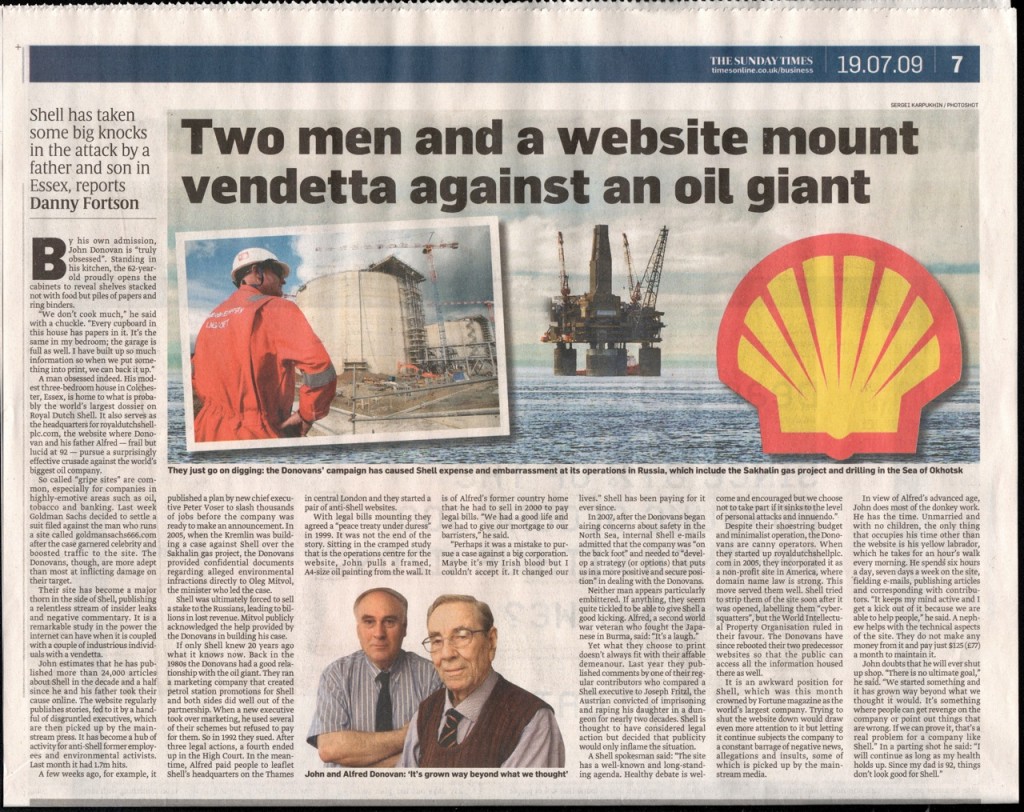
This website and sisters royaldutchshellplc.com, shellnazihistory.com, royaldutchshell.website, johndonovan.website, and shellnews.net, are owned by John Donovan. There is also a Wikipedia segment.


 Royal Dutch Shell conspired directly with Hitler, financed the Nazi Party, was anti-Semitic and sold out its own Dutch Jewish employees to the Nazis. Shell had a close relationship with the Nazis during and after the reign of Sir Henri Deterding, an ardent Nazi, and the founder and decades long leader of the Royal Dutch Shell Group. His burial ceremony, which had all the trappings of a state funeral, was held at his private estate in Mecklenburg, Germany. The spectacle (photographs below) included a funeral procession led by a horse drawn funeral hearse with senior Nazis officials and senior Royal Dutch Shell directors in attendance, Nazi salutes at the graveside, swastika banners on display and wreaths and personal tributes from Adolf Hitler and Reichsmarschall, Hermann Goring. Deterding was an honored associate and supporter of Hitler and a personal friend of Goring.

 Deterding was the guest of Hitler during a four day summit meeting at Berchtesgaden. Sir Henri and Hitler both had ambitions on Russian oil fields. Only an honored personal guest would be rewarded with a private four day meeting at Hitler’s mountain top retreat.


 IN JULY 2007, MR BILL CAMPBELL (ABOVE, A RETIRED GROUP AUDITOR OF SHELL INTERNATIONAL SENT AN EMAIL TO EVERY UK MP AND MEMBER OF THE HOUSE OF LORDS:


 MORE DETAILS:


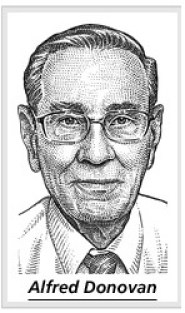 A head-cut image of Alfred Donovan (now deceased) appears courtesy of The Wall Street Journal.