
Published: April 29 2009 09:40 | Last updated: April 29 2009 15:52
Royal Dutch Shell is taking shelter in its balance sheet. Like all oil majors, it suffered a steep drop in first-quarter earnings although it was not as steep as many feared. It also paid out more in capital expenditure ($6.9bn) and dividends ($2.4bn) than it had cash coming in ($7.6bn). The difference led to a rise in net debt. But, as Shell went into the downturn with less than 7 per cent gearing, this is a progression it can afford. Even the 20 per cent or so gearing ratio it has said it expects by the end of the year is low, historically. Shells dividend, with a prospective 7.7 per cent yield, looks safe.
That is just as well because Shells trading numbers made for some grim reading on Wednesday. Its high-cost oil sands business swung sharply into loss compared with last year. The same was true for chemicals, due to a collapse in demand. Earnings from gas and power halved, while those from exploration and production fell by two-thirds. Clearly, Shells 4 per cent drop in output did not help, a reminder of its need to continue investing for future growth. Refining and marketing was flat although that was largely thanks to sharp trading, which is presumably unsustainable.
Peter Voser, currently chief financial officer but rising to chief executive this summer, is squeezing out costs to cope with low oil prices, which he sees lasting at least another year. Yet, as Shells efficiency drive is now a few years old, that leaves Vosers efforts hostage to the slower deflation of broader industry costs. Still, Shells $137bn balance sheet is generating an annualised free cash flow yield of more than 20 per cent. That provides comfort. In addition, there is its strong balance sheet, plus an expected fall-off in capex spend by decades end. Shell looks like a safe port in an uncertain world.
| BACKGROUND NEWS | |
|---|---|
| Royal Dutch Shell on Wednesday followed rival energy group BP in reporting a sharp fall in profits for the first quarter, although it exceeded analysts expectations.
Net profit after tax, adjusted to remove the effect of changes in the value of inventories, fell to $3.3bn (£4.85bn) from $7.78bn in the equivalent period of 2008. The 58 per cent fall is in line with the 62 per cent drop reported by BP on Tuesday. The price of crude oil has plunged from an average of about $90 in the first quarter of 2008 to about $40 in the equivalent period of this year. Shells profits were ahead of the average of analysts forecasts, which was about $2.6bn. |


 Royal Dutch Shell conspired directly with Hitler, financed the Nazi Party, was anti-Semitic and sold out its own Dutch Jewish employees to the Nazis. Shell had a close relationship with the Nazis during and after the reign of Sir Henri Deterding, an ardent Nazi, and the founder and decades long leader of the Royal Dutch Shell Group. His burial ceremony, which had all the trappings of a state funeral, was held at his private estate in Mecklenburg, Germany. The spectacle (photographs below) included a funeral procession led by a horse drawn funeral hearse with senior Nazis officials and senior Royal Dutch Shell directors in attendance, Nazi salutes at the graveside, swastika banners on display and wreaths and personal tributes from Adolf Hitler and Reichsmarschall, Hermann Goring. Deterding was an honored associate and supporter of Hitler and a personal friend of Goring.

 Deterding was the guest of Hitler during a four day summit meeting at Berchtesgaden. Sir Henri and Hitler both had ambitions on Russian oil fields. Only an honored personal guest would be rewarded with a private four day meeting at Hitler’s mountain top retreat.


 IN JULY 2007, MR BILL CAMPBELL (ABOVE, A RETIRED GROUP AUDITOR OF SHELL INTERNATIONAL SENT AN EMAIL TO EVERY UK MP AND MEMBER OF THE HOUSE OF LORDS:


 MORE DETAILS:


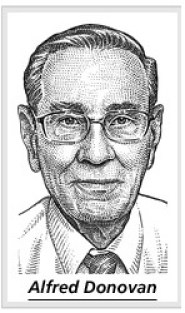 A head-cut image of Alfred Donovan (now deceased) appears courtesy of The Wall Street Journal.