A WSJ NEWS ROUNDUP
January 30, 2008
Royal Dutch Shell PLC encountered concerns yesterday that the oil major had little luck adding new reserves last year after a report that it wouldn’t publish such figures with its annual results tomorrow.
Shell’s London-listed Class A shares edged down 0.6% to 1808 pence ($35.87), compared with a 1.35% rise in the Dow Jones Stoxx European oil-and-gas-sector index.
The Daily Telegraph reported earlier yesterday that Shell wouldn’t report its 2007 reserve-replacement ratio — the rate at which production is matched with new finds — when it releases its fourth-quarter results, as it has done in the past.
Reserves are a sensitive issue for Shell, which downgraded its reserves several times in 2004 and 2005, leading to a management shake-up, a share-price slump and fines by U.S. and U.K. regulators.
A Shell spokesman said the company announced with its third-quarter results in October that it would move to report its reserve-replacement ratio with its 20-F U.S. regulatory filing. This can be published between March and June, analysts said.
The Shell spokesman said the decision to delay reporting the reserve-replacement ratio was in line with the practice followed by U.S. rivals such as Exxon Mobil Corp. Analysts and investors noted, however, that London-based rival BP PLC still reports its reserve-replacement ratio with year-end results.
Recently published analysts’ previews for Shell’s results had noted that the ratio wouldn’t be reported tomorrow, though they had hoped for some guidance.
But analysts at Dresdner Kleinwort said in a research note on Monday that Shell wasn’t even planning to comment on reserves, which may have added to investor concerns that the news, when it emerges, will be bad. Analysts predict the replacement ratio will be low because of Shell’s loss of a controlling stake in the Sakhalin-2 project last year and failure to register any major finds last year.
“We understand Shell won’t comment on reserves in its [fourth-quarter results] essentially because the reserve replacement has been weak and made more complex by the impact” of Shell’s losing control of the Sakhalin-2 project last year, Dresdner Kleinwort said. “We regard this as regrettable,” the broker added.
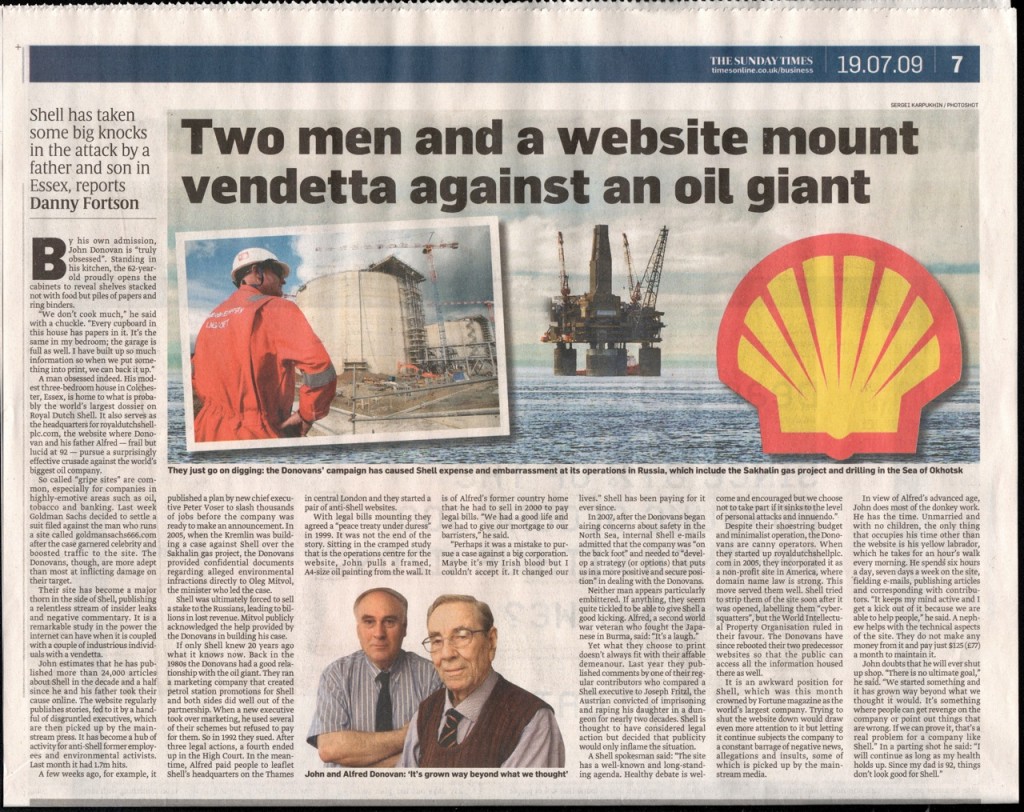
This website and sisters royaldutchshellplc.com, shellnazihistory.com, royaldutchshell.website, johndonovan.website, and shellnews.net, are owned by John Donovan. There is also a Wikipedia segment.


 Royal Dutch Shell conspired directly with Hitler, financed the Nazi Party, was anti-Semitic and sold out its own Dutch Jewish employees to the Nazis. Shell had a close relationship with the Nazis during and after the reign of Sir Henri Deterding, an ardent Nazi, and the founder and decades long leader of the Royal Dutch Shell Group. His burial ceremony, which had all the trappings of a state funeral, was held at his private estate in Mecklenburg, Germany. The spectacle (photographs below) included a funeral procession led by a horse drawn funeral hearse with senior Nazis officials and senior Royal Dutch Shell directors in attendance, Nazi salutes at the graveside, swastika banners on display and wreaths and personal tributes from Adolf Hitler and Reichsmarschall, Hermann Goring. Deterding was an honored associate and supporter of Hitler and a personal friend of Goring.

 Deterding was the guest of Hitler during a four day summit meeting at Berchtesgaden. Sir Henri and Hitler both had ambitions on Russian oil fields. Only an honored personal guest would be rewarded with a private four day meeting at Hitler’s mountain top retreat.


 IN JULY 2007, MR BILL CAMPBELL (ABOVE, A RETIRED GROUP AUDITOR OF SHELL INTERNATIONAL SENT AN EMAIL TO EVERY UK MP AND MEMBER OF THE HOUSE OF LORDS:


 MORE DETAILS:


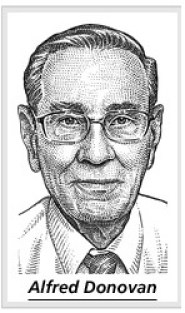 A head-cut image of Alfred Donovan (now deceased) appears courtesy of The Wall Street Journal.