By Ed Crooks in London and Isabel Gorst in Baku
Published: December 21 2007 02:00 | Last updated: December 21 2007 02:00
Kazakhstan agreed surprisingly generous terms in its 1997 contract with international oil companies for developing the vast Kashagan oilfield, prompting its much-criticised efforts to renegotiate the deal.
The country’s expected income from the first phase of Kashagan was only $120m (€84m) a year for the first 10 years after the start of production, just 2 per cent of the project’s revenues.
The government’s very low share of the proceeds, which have been further reduced by delays and cost increases, has fuelled Kazakhstan’s determination to push for better commercial terms.
Kazakh officials were yesterday locked in negotiations with the consortium of companies running the project, which is led by Eni of Italy and includes ExxonMobil, Royal Dutch Shell, Total, ConocoPhillips and Inpex of Japan. A government imposed deadline for an amicable resolution was due to expire at midnight.
Any settlement is expected to include a redistribution of equity in the project to give KazMunai-gas, Kazakhstan’s state oil company, a bigger stake than its 8.33 per cent holding.
Kazakhstan is also entitled to fine the oil companies for the late start-up, and may demand cash compensation for economic losses arising from the increased cost of the development.
Eni announced in February that the first oil from Kashagan would come in 2010, not 2008 as previously planned. It also raised the capital cost for the first phase by $9bn to $19bn.
That first phase, described as “experimental”, would take production to 300,000-350,000 barrels a day, which with oil at $60 a barrel would imply revenues of about $6bn a year.
Under the production sharing agreement, only about 2 per cent of that figure would have gone to the government for 10 years.
Platform, an oil industry watchdog, is today publishing a report, backed by several other campaign groups, arguing that Kazakhstan is missing out on up to $20bn of revenues over the next decade as a result of the project’s problems.
The consortium vigorously disputes Platform’s figures.
Disagreements within the consortium have complicated negotiations over redrawing the contract terms. Exxon is reluctant to dilute its 18.5 per cent stake, although other members of the group have agreed in principle to surrender shares to KazMunai-gas.
Extracting a deal, Page 15
Copyright The Financial Times Limited 2007
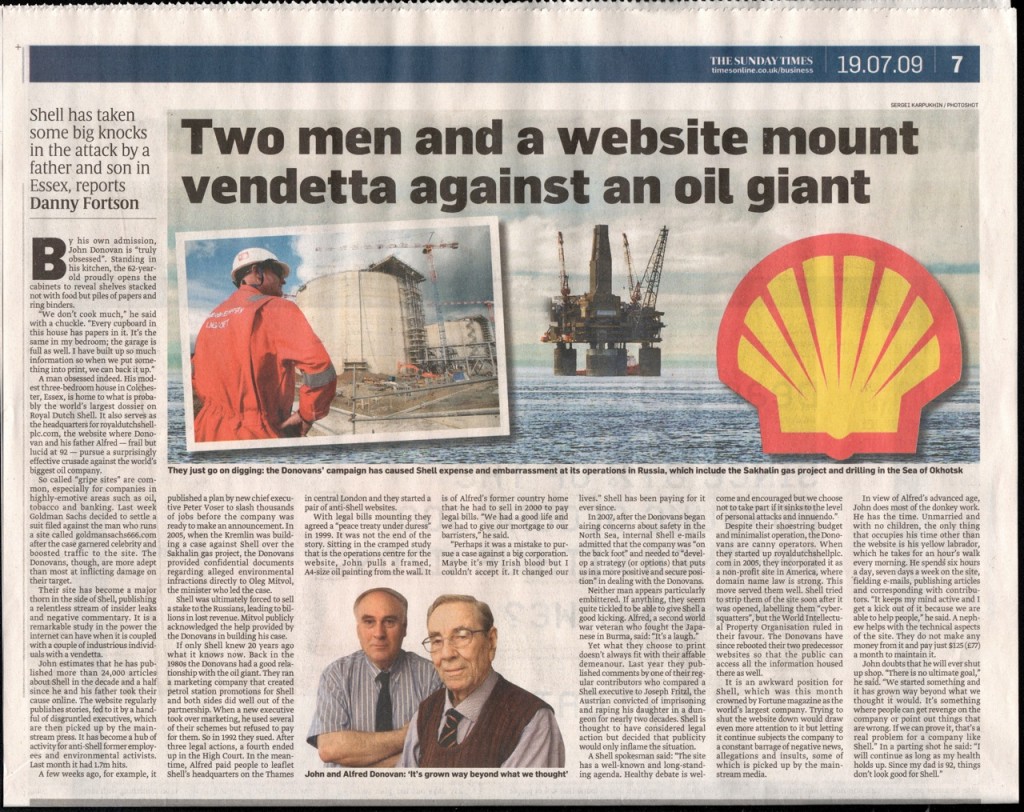
This website and sisters royaldutchshellplc.com, shellnazihistory.com, royaldutchshell.website, johndonovan.website, and shellnews.net, are owned by John Donovan. There is also a Wikipedia segment.


 Royal Dutch Shell conspired directly with Hitler, financed the Nazi Party, was anti-Semitic and sold out its own Dutch Jewish employees to the Nazis. Shell had a close relationship with the Nazis during and after the reign of Sir Henri Deterding, an ardent Nazi, and the founder and decades long leader of the Royal Dutch Shell Group. His burial ceremony, which had all the trappings of a state funeral, was held at his private estate in Mecklenburg, Germany. The spectacle (photographs below) included a funeral procession led by a horse drawn funeral hearse with senior Nazis officials and senior Royal Dutch Shell directors in attendance, Nazi salutes at the graveside, swastika banners on display and wreaths and personal tributes from Adolf Hitler and Reichsmarschall, Hermann Goring. Deterding was an honored associate and supporter of Hitler and a personal friend of Goring.

 Deterding was the guest of Hitler during a four day summit meeting at Berchtesgaden. Sir Henri and Hitler both had ambitions on Russian oil fields. Only an honored personal guest would be rewarded with a private four day meeting at Hitler’s mountain top retreat.


 IN JULY 2007, MR BILL CAMPBELL (ABOVE, A RETIRED GROUP AUDITOR OF SHELL INTERNATIONAL SENT AN EMAIL TO EVERY UK MP AND MEMBER OF THE HOUSE OF LORDS:


 MORE DETAILS:


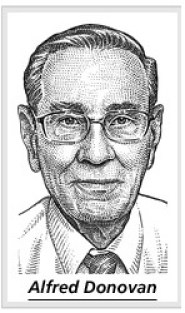 A head-cut image of Alfred Donovan (now deceased) appears courtesy of The Wall Street Journal.