By Carola Hoyos,Chief Energy Correspondent
Published: February 22 2007 02:00 | Last updated: February 22 2007 02:00
Oil and gas companies have faced similar questions to miners about whether they are returning too much cash to shareholders instead of investing it in new production.
Royal Dutch Shell and BP, the UK’s largest energy groups, have returned a total of $120bn (£61.32bn) in cash to shareholders in the past three years, raising fears that their largesse reflects an inability to grow their business by finding and producing more oil and natural gas.
Profits have hit records at both companies in the past three years, thanks to the tripling in oil prices, but growth has been troubled. BP has had setbacks at important projects that were supposed to account for much of its growth in the past year, including its giant Thunder Horse platform in the Gulf of Mexico. The company this month cut its growth targets for the next three years by up to 18 per cent.
Yet, energy companies are investing historically relatively little in exploration and production because they are discovering few big oil fields. Some executives – including Lee Raymond, until recently chief executive of ExxonMobil, the world’s largest listed international energy group – have suggested that there are none left to be found.
Companies such as BP and Shell are being squeezed out of oil-rich countries including Russia, where both have major stakes – Shell’s Sakhalin II liquefied natural gas project and BP’s TNK-BP joint venture.
Jon Rigby, analyst at UBS, the investment bank, said: “Over time, free cash flow doesn’t rise to the degree that the oil price increase would suggest.”
He said cost pressures – including higher taxes and rig fees and renewed nationalism among oil-rich countries – had hurt.
BG, Shell and BP’s substantially smaller competitor, has been less generous in terms of returning cash but has also presented a far better growth story. Its total shareholder return has grown more than 170 per cent since 2003 compared to about 40 per cent for both BP and Shell.
Copyright The Financial Times Limited 2007
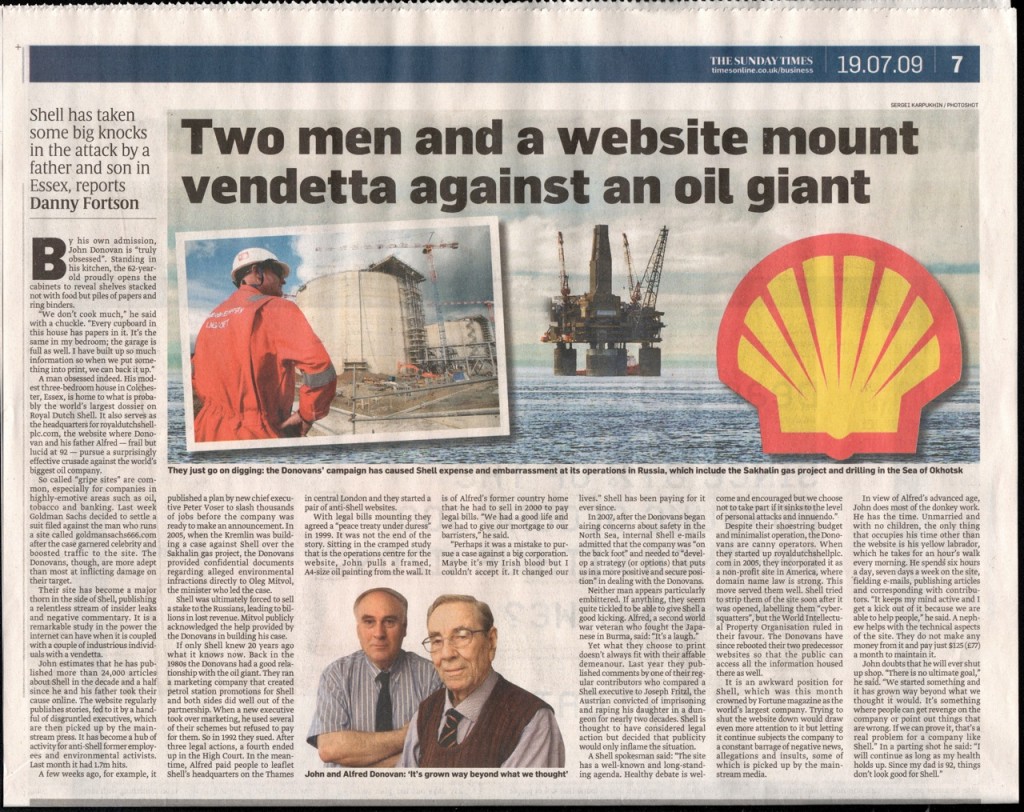
This website and sisters royaldutchshellplc.com, shellnazihistory.com, royaldutchshell.website, johndonovan.website, and shellnews.net, are owned by John Donovan. There is also a Wikipedia segment.


 Royal Dutch Shell conspired directly with Hitler, financed the Nazi Party, was anti-Semitic and sold out its own Dutch Jewish employees to the Nazis. Shell had a close relationship with the Nazis during and after the reign of Sir Henri Deterding, an ardent Nazi, and the founder and decades long leader of the Royal Dutch Shell Group. His burial ceremony, which had all the trappings of a state funeral, was held at his private estate in Mecklenburg, Germany. The spectacle (photographs below) included a funeral procession led by a horse drawn funeral hearse with senior Nazis officials and senior Royal Dutch Shell directors in attendance, Nazi salutes at the graveside, swastika banners on display and wreaths and personal tributes from Adolf Hitler and Reichsmarschall, Hermann Goring. Deterding was an honored associate and supporter of Hitler and a personal friend of Goring.

 Deterding was the guest of Hitler during a four day summit meeting at Berchtesgaden. Sir Henri and Hitler both had ambitions on Russian oil fields. Only an honored personal guest would be rewarded with a private four day meeting at Hitler’s mountain top retreat.


 IN JULY 2007, MR BILL CAMPBELL (ABOVE, A RETIRED GROUP AUDITOR OF SHELL INTERNATIONAL SENT AN EMAIL TO EVERY UK MP AND MEMBER OF THE HOUSE OF LORDS:


 MORE DETAILS:


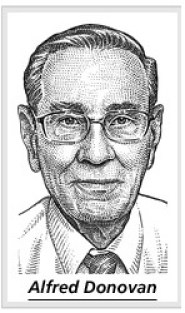 A head-cut image of Alfred Donovan (now deceased) appears courtesy of The Wall Street Journal.