Published: February 7 2007 02:00 | Last updated: February 7 2007 02:00
Apart from a new leather chair, an incoming chief executive often reserves space in his new office for one other vital piece of equipment: a kitchen sink.
Tony Hayward, the head of BP’s upstream business, who is due to take over running of the group from Lord Browne this summer, seems to have had his fitted early. As with Royal Dutch Shell’s fourth-quarter results last week, BP’s 2006 numbers yesterday were overshadowed by a cut in targets. BP now forecasts upstream output of about 4m barrels of oil equivalent per day in 2009, against earlier expectations of about 4.6m.
The breakdown of that gap is interesting. In particular, about half is owing to an increase in BP’s reference oil price for production in the next few years from $40 a barrel to $60. This cuts the output claimed from fields operating under production sharing agreements. BP, historically conservative on its oil price assumptions, does not really believe crude will average $60 to the end of the decade. But it wants headroom. Lord Browne emphasised the new targets should be regarded as a floor.
BP’s premium rating has been battered since 2005, so, tactically, it makes sense to clear the decks. In that respect, BP’s position has come more into line with Shell’s. One important difference is that BP has barely raised its capital expenditure forecast for 2007. So while it has lost its growth advantage over Shell, it continues to enjoy a better free cash flow yield. Lower production forecasts have thinned that cushion, which is also vulnerable to any further falls in oil and gas prices. So the potential for a re-rating of BP’s stock any time soon looks limited.
Still, at least BP can now reasonably hope to do something it has struggled with for the past two years: deliver some pleasant surprises to investors.
Copyright The Financial Times Limited 2007
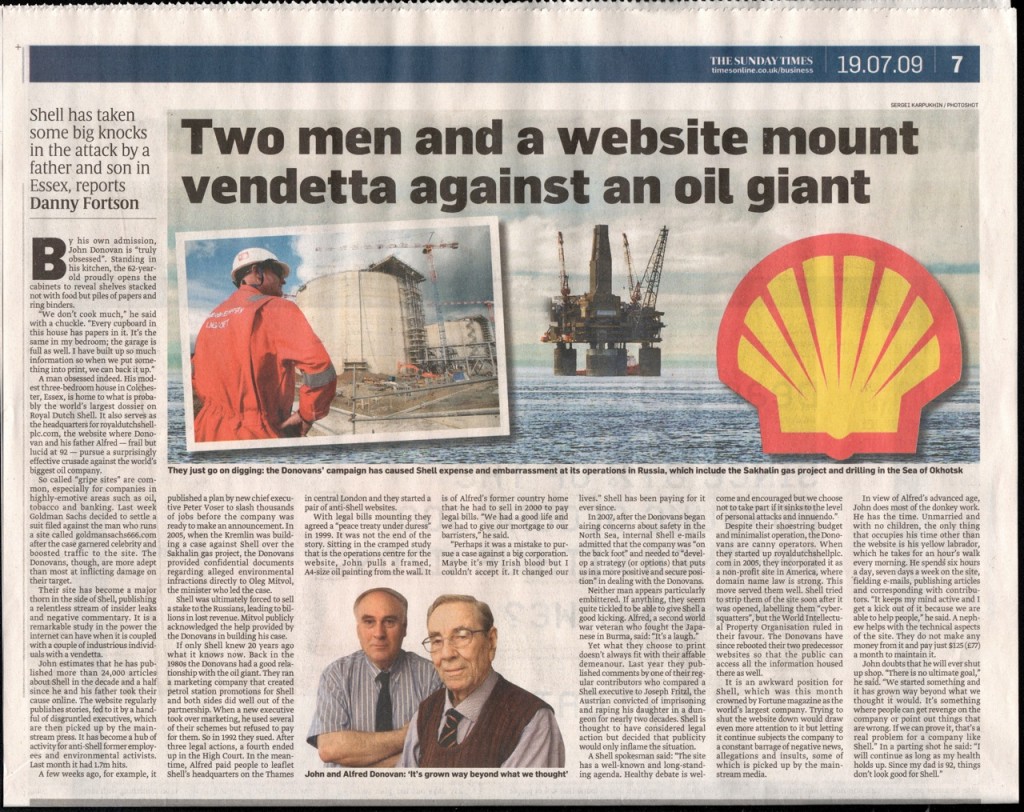
This website and sisters royaldutchshellplc.com, shellnazihistory.com, royaldutchshell.website, johndonovan.website, and shellnews.net, are owned by John Donovan. There is also a Wikipedia segment.


 Royal Dutch Shell conspired directly with Hitler, financed the Nazi Party, was anti-Semitic and sold out its own Dutch Jewish employees to the Nazis. Shell had a close relationship with the Nazis during and after the reign of Sir Henri Deterding, an ardent Nazi, and the founder and decades long leader of the Royal Dutch Shell Group. His burial ceremony, which had all the trappings of a state funeral, was held at his private estate in Mecklenburg, Germany. The spectacle (photographs below) included a funeral procession led by a horse drawn funeral hearse with senior Nazis officials and senior Royal Dutch Shell directors in attendance, Nazi salutes at the graveside, swastika banners on display and wreaths and personal tributes from Adolf Hitler and Reichsmarschall, Hermann Goring. Deterding was an honored associate and supporter of Hitler and a personal friend of Goring.

 Deterding was the guest of Hitler during a four day summit meeting at Berchtesgaden. Sir Henri and Hitler both had ambitions on Russian oil fields. Only an honored personal guest would be rewarded with a private four day meeting at Hitler’s mountain top retreat.


 IN JULY 2007, MR BILL CAMPBELL (ABOVE, A RETIRED GROUP AUDITOR OF SHELL INTERNATIONAL SENT AN EMAIL TO EVERY UK MP AND MEMBER OF THE HOUSE OF LORDS:


 MORE DETAILS:


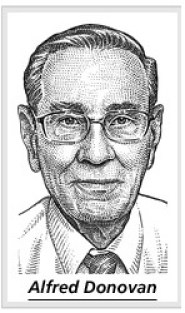 A head-cut image of Alfred Donovan (now deceased) appears courtesy of The Wall Street Journal.