By Sam Fleming,
Royal Dutch Shell laid claim to the title of big oil’s comeback kid with the biggest profit in British history, but its golden era is likely to be all too brief.
The shares rose 32p to 1,746p on the back of a 12pc jump in annual profit to GBP13bn.
But the bumper numbers were overshadowed after chief executive Jeroen van der Veer slashed production targets because of setbacks in Russia and Nigeria.
Further clouding the outlook, questions re-emerged over the rate at which Shell is replacing the oil it pumps from the ground.
The firm, which is still recovering from a 2004 accounts scandal, said it replaced 150pc of its reserves last year, dramatically up from 78pc in 2005.
But that controversially included a huge gas-to-liquids scheme in Qatar for the first time, as well as Shell’s Canadian oil sands project. Both require high oil prices to be viable.
Shell’s heavy exposure to such projects leaves it unusually reliant on sky-high crude prices.
Merrill Lynch said Shell will need an oil price of around $55 a barrel to cover its dividend and fund new investment — well above BP’s $46. US rival Exxon, which said profits surged to GBP20.1bn, only needs oil prices of $40 a barrel to cover its costs.
Shell warned that output will grow a mere 1-2pc for the rest of the decade.
That is partly because of rebel attacks in Nigeria, where it is losing 191,000 barrels a day of production.
The outlook will be further damaged by the sale of half Shell’s stake in the huge Sakhalin 2 project to Russia’s Gazprom, which will slice 400m barrels off reserves.
The first- quarter dividend is expected to be 36 cents a share, up 14pc. BP’s Tony Hayward isn’t wasting any time. He appointed Andy Inglis replace him as head of exploration and production with immediate effect, allowing Hayward-to focus on taking over from boss Lord Browne.
Separately, BP sold off its last UK refinery, Coryton in Essex, for GBP714.6m to Switzerland’s Petroplus.
It also dealt a blow to British academia by choosing a group of US universities for its flagship research project into green fuels.
Published: Feb 02, 2007
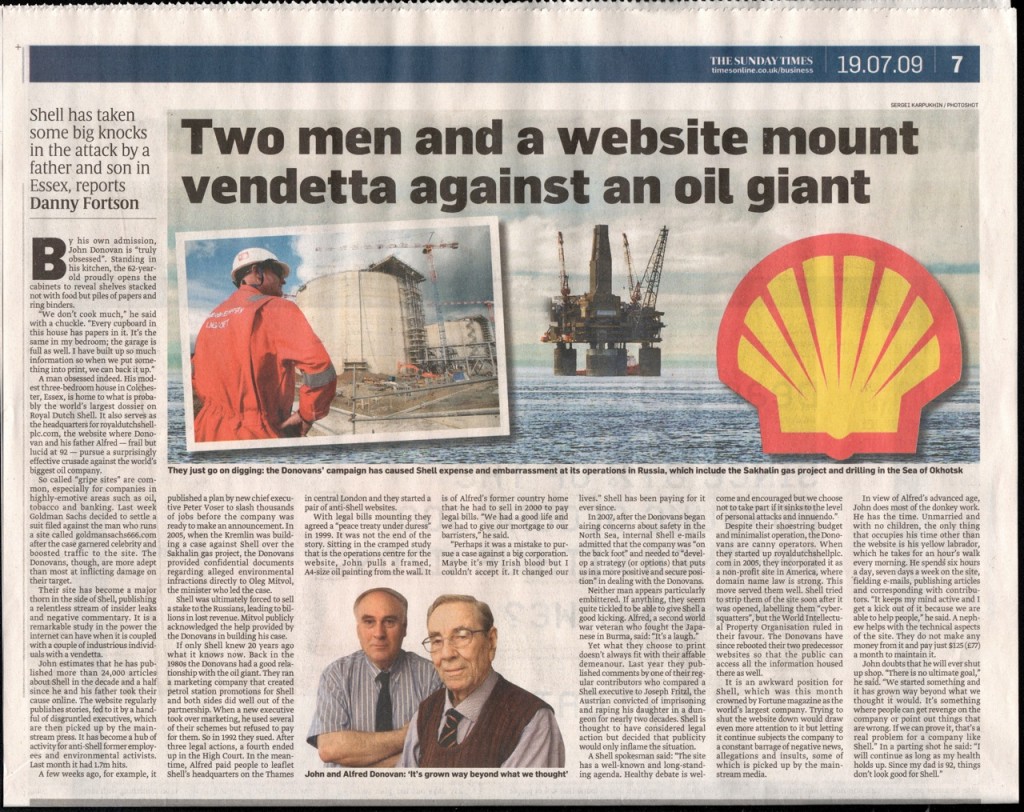
This website and sisters royaldutchshellplc.com, shellnazihistory.com, royaldutchshell.website, johndonovan.website, and shellnews.net, are owned by John Donovan. There is also a Wikipedia segment.


 Royal Dutch Shell conspired directly with Hitler, financed the Nazi Party, was anti-Semitic and sold out its own Dutch Jewish employees to the Nazis. Shell had a close relationship with the Nazis during and after the reign of Sir Henri Deterding, an ardent Nazi, and the founder and decades long leader of the Royal Dutch Shell Group. His burial ceremony, which had all the trappings of a state funeral, was held at his private estate in Mecklenburg, Germany. The spectacle (photographs below) included a funeral procession led by a horse drawn funeral hearse with senior Nazis officials and senior Royal Dutch Shell directors in attendance, Nazi salutes at the graveside, swastika banners on display and wreaths and personal tributes from Adolf Hitler and Reichsmarschall, Hermann Goring. Deterding was an honored associate and supporter of Hitler and a personal friend of Goring.

 Deterding was the guest of Hitler during a four day summit meeting at Berchtesgaden. Sir Henri and Hitler both had ambitions on Russian oil fields. Only an honored personal guest would be rewarded with a private four day meeting at Hitler’s mountain top retreat.


 IN JULY 2007, MR BILL CAMPBELL (ABOVE, A RETIRED GROUP AUDITOR OF SHELL INTERNATIONAL SENT AN EMAIL TO EVERY UK MP AND MEMBER OF THE HOUSE OF LORDS:


 MORE DETAILS:


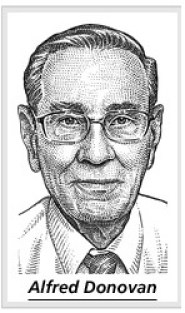 A head-cut image of Alfred Donovan (now deceased) appears courtesy of The Wall Street Journal.