Shell Exec Outlines Hope, Barriers In Enhanced Oil Methods
HOUSTON (Dow Jones)–Royal Dutch Shell PLC (RDSB.LN) is experimenting with techniques to boost recovery from older reserves by 10%, but the campaign poses new technological challenges for producers, Shell Vice President John Barry said Thursday.
Barry, speaking on a conference call with reporters, described three methods that Shell hopes will enable it to boost recoveries. At present, Shell recovers about 35% of the oil in a given field, but hopes to raise that amount by 10% with these techniques.
This type of activity, known in energy parlance as “enhanced oil recovery,” has its limitations, however. Just under 5% of world production is through enhanced oil recovery; that share could rise to 15% by 2030, Barry said.
Shell has injected carbon dioxide to sustain a 70-year-old field in west Texas, but the technique requires close access to a source of carbon dioxide.
Under another method, a generator heats water to steam, then pumps it deep underground. As the steam cools, it heats the surrounding rock, helping oil trapped in the earth to flow toward a production well. The problem, though, is that the energy-sapping process uses up some 25% of the energy produced with the operation, Barry said.
Chemicals are the latest frontier. Shell successfully rejuvenated wells in a field in Oman by adding polymers to water to increase its viscosity, or thickness. The problem is that the chemicals are costly.
Barry described the current campaign as one of trial-and-error prompted by high prices.
“What’s changed since (the 1980s), is the perception that the world’s need for energy is going to be greater,” Barry said. “Cheaper sources of oil will become harder to find.”
Source: Brian Baskin, Dow Jones Newswires; 713-547-9202; [email protected]
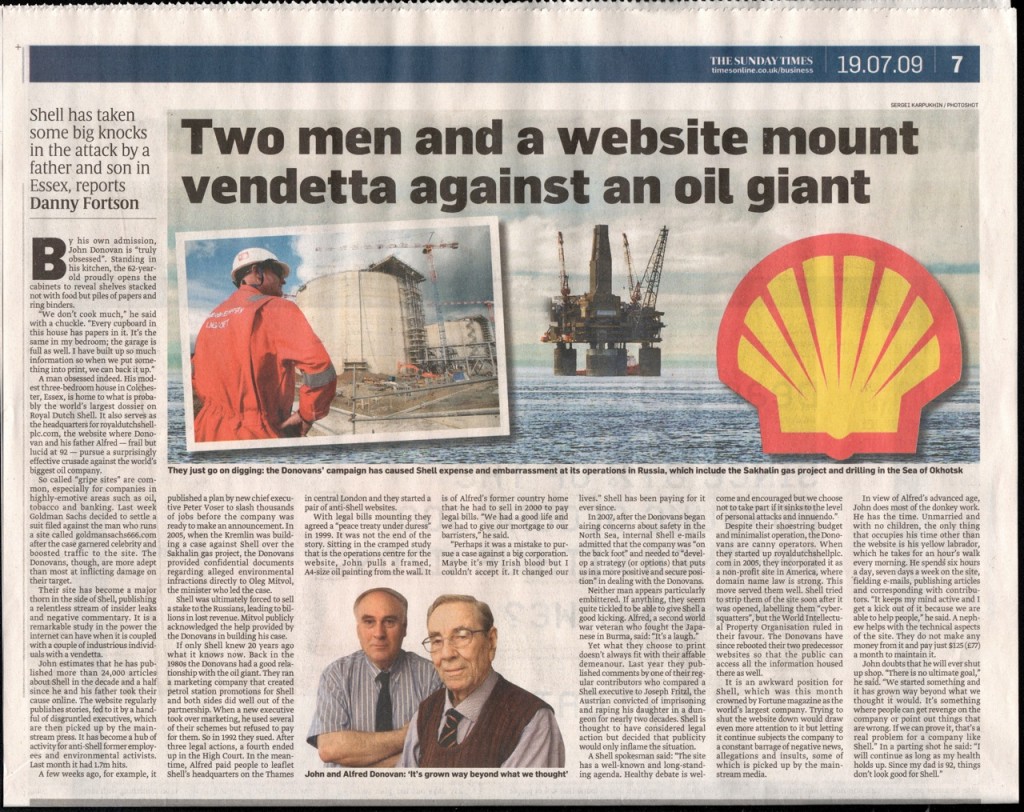
This website and sisters royaldutchshellplc.com, shellnazihistory.com, royaldutchshell.website, johndonovan.website, and shellnews.net, are owned by John Donovan. There is also a Wikipedia segment.


 Royal Dutch Shell conspired directly with Hitler, financed the Nazi Party, was anti-Semitic and sold out its own Dutch Jewish employees to the Nazis. Shell had a close relationship with the Nazis during and after the reign of Sir Henri Deterding, an ardent Nazi, and the founder and decades long leader of the Royal Dutch Shell Group. His burial ceremony, which had all the trappings of a state funeral, was held at his private estate in Mecklenburg, Germany. The spectacle (photographs below) included a funeral procession led by a horse drawn funeral hearse with senior Nazis officials and senior Royal Dutch Shell directors in attendance, Nazi salutes at the graveside, swastika banners on display and wreaths and personal tributes from Adolf Hitler and Reichsmarschall, Hermann Goring. Deterding was an honored associate and supporter of Hitler and a personal friend of Goring.

 Deterding was the guest of Hitler during a four day summit meeting at Berchtesgaden. Sir Henri and Hitler both had ambitions on Russian oil fields. Only an honored personal guest would be rewarded with a private four day meeting at Hitler’s mountain top retreat.


 IN JULY 2007, MR BILL CAMPBELL (ABOVE, A RETIRED GROUP AUDITOR OF SHELL INTERNATIONAL SENT AN EMAIL TO EVERY UK MP AND MEMBER OF THE HOUSE OF LORDS:


 MORE DETAILS:


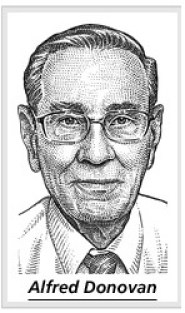 A head-cut image of Alfred Donovan (now deceased) appears courtesy of The Wall Street Journal.