September 28, 2006
Headline: Russian officials calculate damage from Sakhalin-2
MOSCOW – Environmental damage from Sakhalin-2 project could top $50 billion, Oleg Mitvol, Deputy Director of Russia’s Federal Service for Environmental Supervision (Rosprirodnadzor) told reporters on Wednesday. He was commenting on remarks his company could suffer direct losses of $10 billion if the project is blocked by the Russian authorities.
Mitvol said Rosprirodnadzor had launched the comprehensive examination of Sakhalin-2, which would continue until 25 October, after which the environmental service will announce its estimate of the environmental damage.
Asked whether the interests of “third parties” were involved in the scandal surrounding Sakhalin-2, Mitvol said: “When the Americans block the work of BP in Alyaska, no one is concerned that they want to invite another company. Why do we have double standards in a similar situation?” Mitvol asked, noting that Shell, which has a stake in the project, should better “do engineering work instead of putting political pressure.”
Sakhalin-2 envisages the development of the Lunskoye and Piltun-Astokhskoye fields with total reserves of 600 million tonnes of oil and condensate and 700 billion cubic meters of natural gas. The operator of the project is Sakhalin Energy, in which Shell Sakhalin Holdings B.V. (controlled by Royal Dutch/Shell) has 55 percent, Mitsui Sakhalin Holdings B.V. (founded by Mitsui) has 25 percent, and Diamond Gas Sakhalin B.V. (controlled by Mitsubishi Corporation) has 20 percent.
The second stage of the project was announced in May 2003. Along with the construction of offshore platforms in Aniva Bay (southern Sakhalin), the second phase of Sakhalin-2 includes the construction of an oil terminal and a LNG plant with a capacity of 9.6 million tonnes, estimated at $2 billion.
On 19 September, Russian Natural Resources Minister Yuri Trurnev signed a decree withdrawing the approval of an environmental study on the second phase of Sakhalin-2. To take effect, this document needs to be approved by the Federal Environmental, Engineering and Nuclear Supervision Agency (Rostekhnadzor). The Prosecutor General’s Office insists that the Russian Natural Resources’ decree is in violation of the Russian law.
Source: RBC.
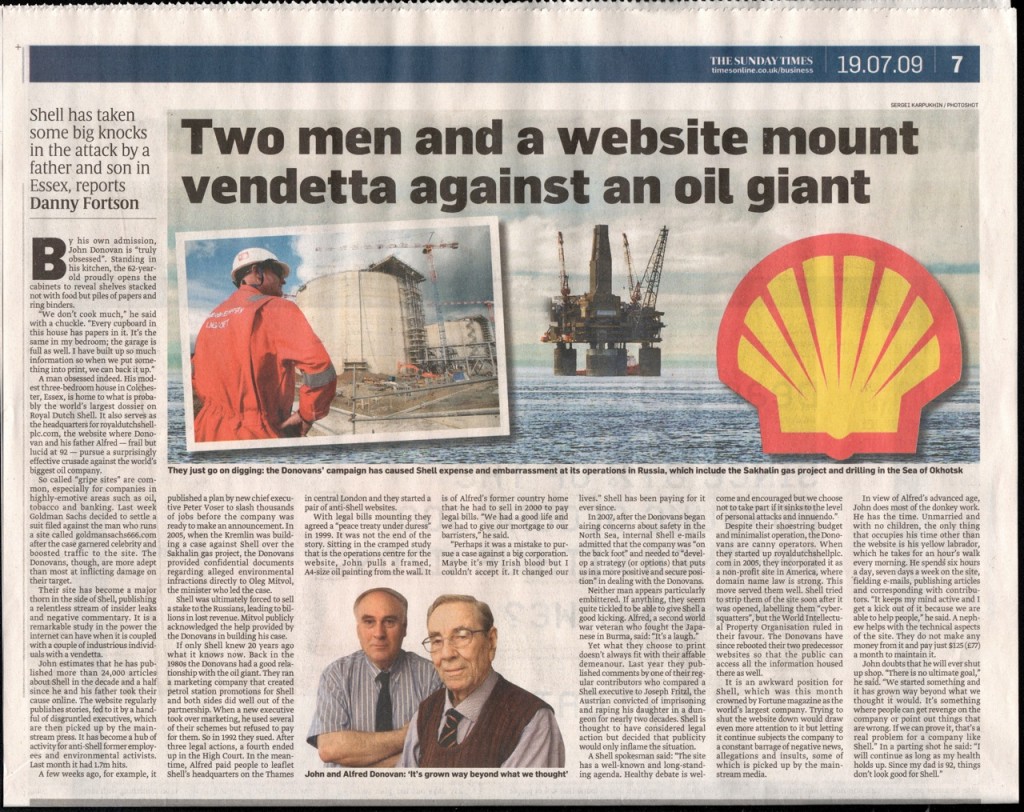
This website and sisters royaldutchshellplc.com, shellnazihistory.com, royaldutchshell.website, johndonovan.website, and shellnews.net, are owned by John Donovan. There is also a Wikipedia segment.


 Royal Dutch Shell conspired directly with Hitler, financed the Nazi Party, was anti-Semitic and sold out its own Dutch Jewish employees to the Nazis. Shell had a close relationship with the Nazis during and after the reign of Sir Henri Deterding, an ardent Nazi, and the founder and decades long leader of the Royal Dutch Shell Group. His burial ceremony, which had all the trappings of a state funeral, was held at his private estate in Mecklenburg, Germany. The spectacle (photographs below) included a funeral procession led by a horse drawn funeral hearse with senior Nazis officials and senior Royal Dutch Shell directors in attendance, Nazi salutes at the graveside, swastika banners on display and wreaths and personal tributes from Adolf Hitler and Reichsmarschall, Hermann Goring. Deterding was an honored associate and supporter of Hitler and a personal friend of Goring.

 Deterding was the guest of Hitler during a four day summit meeting at Berchtesgaden. Sir Henri and Hitler both had ambitions on Russian oil fields. Only an honored personal guest would be rewarded with a private four day meeting at Hitler’s mountain top retreat.


 IN JULY 2007, MR BILL CAMPBELL (ABOVE, A RETIRED GROUP AUDITOR OF SHELL INTERNATIONAL SENT AN EMAIL TO EVERY UK MP AND MEMBER OF THE HOUSE OF LORDS:


 MORE DETAILS:


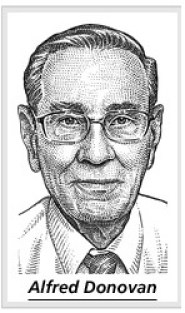 A head-cut image of Alfred Donovan (now deceased) appears courtesy of The Wall Street Journal.