Oil and gas exploration by Royal Dutch Shell and Japanese partners has caused extensive environmental damage on Russia’s far eastern island of Sakhalin, a leading German ecologist said Thursday.
Species at risk from drilling and production include the rare grey whales in the Piltun Bay at the north end of Sakhalin, Ralf Sonntag, head of the German branch of the International Fund for Animal Welfare (IFAW), told Deutsche Presse-Agentur dpa by telephone from the island.
Pipelines being built 800 kilometres to a terminal at the southern end of Sakhalin had been built over about one thousand rivers and streams, in some cases blocking waterways with debris and endangering salmon populations, according to the ecologist.
And in many places cuttings through forests were 100 metres wide rather that the allowed maximum of 42 metres, he added.
“These environmental problems are nothing new for us,” said Sonntag, who was among a group of around 50 ecologists and journalists invited to Sakhalin by the Russian government to examine operations by foreign energy companies.
Shell and Japan’s Mitsui and Mitsubishi have invested around 20 billion US dollars in the Sakhalin-2 project under a product sharing agreement with Russia.
Last week the government in Moscow withdrew environmental permits for the project, citing harm to the environment. The move prompted speculation that ecological complaints were a means of forcing the foreign companies to accept a Russian partner.
The deputy head of the Russian state ecological watchdog, Rosprirodnadzor, Oleg Mitvol, said Thursday in Moscow that the pipeline construction must be halted, completed stretches possibly relaid, and damage paid for.
“We want a criminal case to be instigated for every destroyed tree or river,” he told journalists.
Meanwhile, IFAW wants all companies to be equally bound to use the latest technology to safeguard the environment, which it claims Shell did not do on Sakhalin.
“As an ecological protection organization it makes little difference to us whether it is Russia, the Netherlands or Japan that pumps the gas here,” Sonntag said.
The Russian government brought the ecological damage to the public’s attention, but it was obliged to ensure that any Russian partner that joins Sakhalin-2 upheld operating standards, the ecologist stressed.
© 2006 DPA
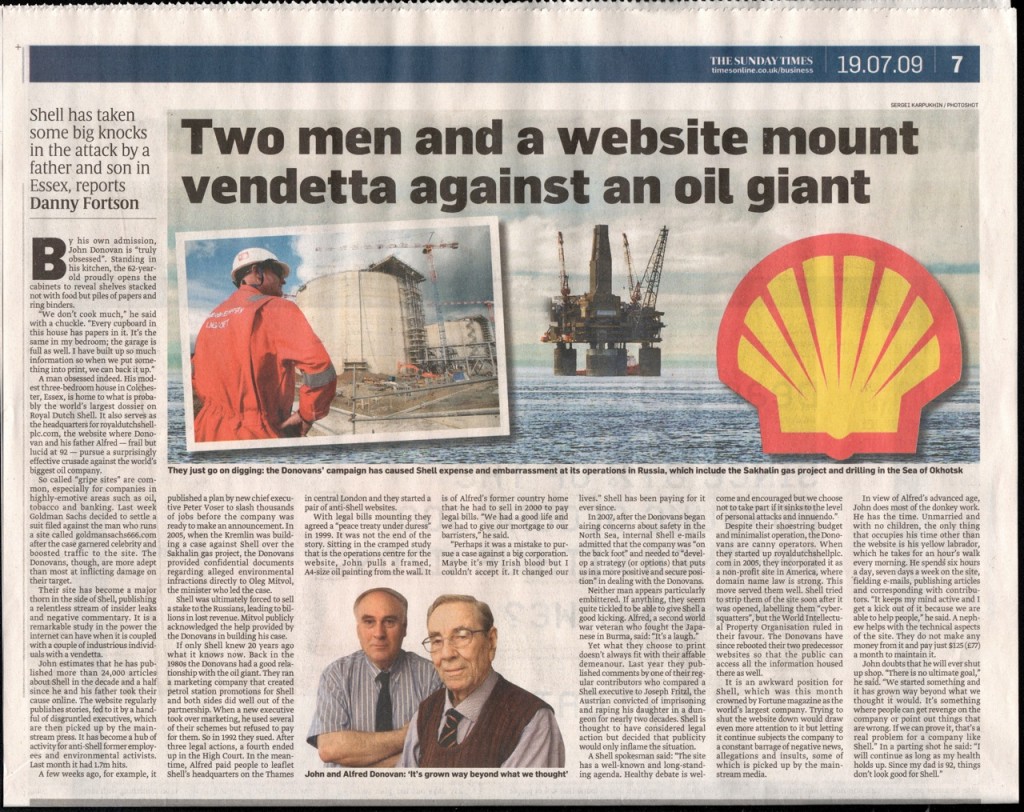
This website and sisters royaldutchshellplc.com, shellnazihistory.com, royaldutchshell.website, johndonovan.website, and shellnews.net, are owned by John Donovan. There is also a Wikipedia segment.


 Royal Dutch Shell conspired directly with Hitler, financed the Nazi Party, was anti-Semitic and sold out its own Dutch Jewish employees to the Nazis. Shell had a close relationship with the Nazis during and after the reign of Sir Henri Deterding, an ardent Nazi, and the founder and decades long leader of the Royal Dutch Shell Group. His burial ceremony, which had all the trappings of a state funeral, was held at his private estate in Mecklenburg, Germany. The spectacle (photographs below) included a funeral procession led by a horse drawn funeral hearse with senior Nazis officials and senior Royal Dutch Shell directors in attendance, Nazi salutes at the graveside, swastika banners on display and wreaths and personal tributes from Adolf Hitler and Reichsmarschall, Hermann Goring. Deterding was an honored associate and supporter of Hitler and a personal friend of Goring.

 Deterding was the guest of Hitler during a four day summit meeting at Berchtesgaden. Sir Henri and Hitler both had ambitions on Russian oil fields. Only an honored personal guest would be rewarded with a private four day meeting at Hitler’s mountain top retreat.


 IN JULY 2007, MR BILL CAMPBELL (ABOVE, A RETIRED GROUP AUDITOR OF SHELL INTERNATIONAL SENT AN EMAIL TO EVERY UK MP AND MEMBER OF THE HOUSE OF LORDS:


 MORE DETAILS:


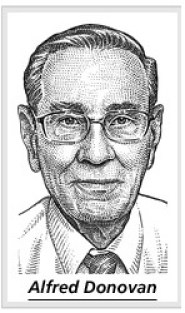 A head-cut image of Alfred Donovan (now deceased) appears courtesy of The Wall Street Journal.