By Neil Buckley in Moscow
Published: September 19 2006 03:00 | Last updated: September 19 2006 03:00
The Russian authorities’ withdrawal of a key permit for a Shell-led natural gas project follows months of pressure on three large foreign energy investments in the country that has come to a head in recent days.
The three – Exxon-Mobil’s Sakhalin-1 project and Shell’s Sakhalin-2, both on an island in the Russian far east, and a Total-led venture in the Arctic Circle – are all so-called production-sharing agreements (PSAs).
All three are vital to increasing global energy supplies, and enjoy a special status as some of the first big foreign deals signed in Russia under President Boris Yeltsin. At the time, Russia was in need of foreign investment to develop its energy assets and oil prices were low. The terms of the PSAs kept the projects outside Russia’s then opaque tax regime, instead giving the government a share of the oil and gas produced once investors had recouped their investment costs.
But they have increasingly begun to look like anomalies as oil prices have soared – bringing petrodollars flooding into Russia – and the administration of Vladimir Putin has sought to retake state control of strategic oil and gas assets.
Officials have openly questioned whether the PSAs provide sufficient benefit to Russia.
Russia’s natural resources ministry in May suggested Russian state companies should be given control of the projects – although Russia’s economy minister and industry minister both insisted the PSAs were enshrined in law and could not be renegotiated.
Since then, each project has come under pressure. The environmental inspectorate of Russia’s natural resources ministry called for construction work on Sakhalin-2 to be halted, alleging it was flouting environmental laws, and then launched legal action.
Its claim that the environmental permit for Sakhalin-2’s second stage was faulty was supported by Russia’s prosecutor-general at the weekend, paving the way for withdrawal of the licence yesterday.
Exxon-Mobil’s Sakhalin-1 project has also faced difficulties. Russian authorities told Exxon it did not have automatic rights to develop newly discovered reserves round its existing oil field. The government instead plans to auction off the new deposits.
Exxon warned in a statement this month that Sakhalin-1 was “globally visible and therefore serves as an indicator to others of the success or failure for other potential large foreign investments” in Russian oil and gas.
“Any failure to honour the [agreement] could inevitably undermine the confidence of foreign investors,” it added.
A regional environmental official was quoted by Interfax news agency yesterday questioning whether the project’s oil export terminal – due to start shipping oil in a matter of weeks – should undergo more checks, potentially postponing the launch.
Total, meanwhile, has faced legal action from the natural resources ministry for allegedly violating its licensing conditions for developing the Kharyaga field.
Criticism of PSAs spread to the Kremlin this month when Igor Shuvalov, a senior aide to Mr Putin, expressed a “personal opinion” that operators of the three projects should voluntarily give up PSA status and bring them under regular tax rules.
Yesterday, as Shell’s environmental permit was withdrawn, another official at the natural resources ministry was saying Russia might revoke agreements with Exxon and Total.
“The message that people are going to derive from this is that no contract is sacred in Russia,” said Steven Dashevsky, head of research at Aton Capital, a Moscow brokerage. “PSAs were considered untouchable.”
Copyright The Financial Times Limited 2006
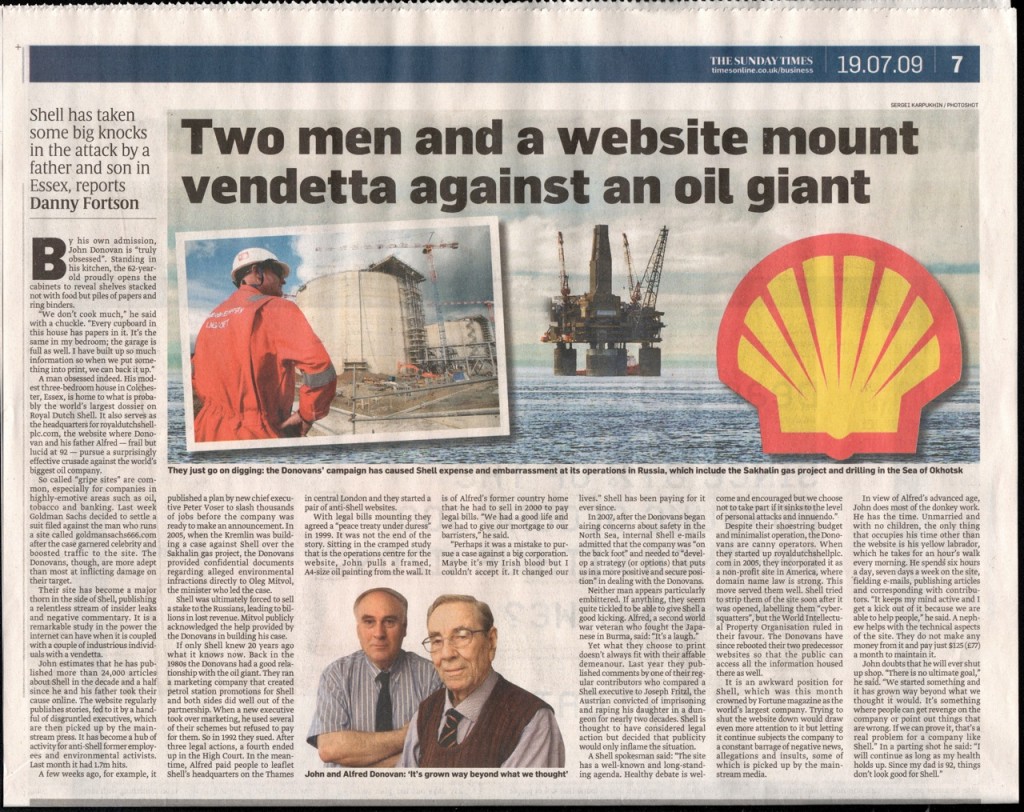
This website and sisters royaldutchshellplc.com, shellnazihistory.com, royaldutchshell.website, johndonovan.website, and shellnews.net, are owned by John Donovan. There is also a Wikipedia segment.


 Royal Dutch Shell conspired directly with Hitler, financed the Nazi Party, was anti-Semitic and sold out its own Dutch Jewish employees to the Nazis. Shell had a close relationship with the Nazis during and after the reign of Sir Henri Deterding, an ardent Nazi, and the founder and decades long leader of the Royal Dutch Shell Group. His burial ceremony, which had all the trappings of a state funeral, was held at his private estate in Mecklenburg, Germany. The spectacle (photographs below) included a funeral procession led by a horse drawn funeral hearse with senior Nazis officials and senior Royal Dutch Shell directors in attendance, Nazi salutes at the graveside, swastika banners on display and wreaths and personal tributes from Adolf Hitler and Reichsmarschall, Hermann Goring. Deterding was an honored associate and supporter of Hitler and a personal friend of Goring.

 Deterding was the guest of Hitler during a four day summit meeting at Berchtesgaden. Sir Henri and Hitler both had ambitions on Russian oil fields. Only an honored personal guest would be rewarded with a private four day meeting at Hitler’s mountain top retreat.


 IN JULY 2007, MR BILL CAMPBELL (ABOVE, A RETIRED GROUP AUDITOR OF SHELL INTERNATIONAL SENT AN EMAIL TO EVERY UK MP AND MEMBER OF THE HOUSE OF LORDS:


 MORE DETAILS:


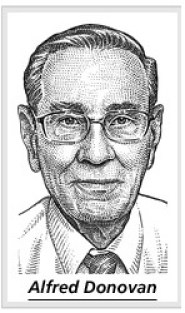 A head-cut image of Alfred Donovan (now deceased) appears courtesy of The Wall Street Journal.