Published: September 19 2006 03:00 | Last updated: September 19 2006 03:00
The latest delay to its Thunder Horse project in the Gulf of Mexico will heighten investors’ concerns about BP’s US business. Unfortunately, further uncertainty is building on the other side of the globe.
In Russia, Gazprom is said to be interested in taking on the half of TNK-BP owned by financial investors. That may unnerve BP shareholders. There is, however, a creeping sense of inevitability about some sort of deal eventually being struck. As it stands, TNK-BP’s 50/50 structure could constrain its ability to secure stakes in new upstream projects in Russia. Gazprom’s de facto role as middleman-in-chief for Eurasian gas flows means its co-operation is essential if TNK-BP is to monetise its stake in Kovykta, a massive Siberian gas field. Having already recovered its outlays on the joint venture, the extra risk for BP may actually be outweighed by the potential benefits.
Royal Dutch Shell’s Russian problems are of a different order. Russia’s tightening of the screws on Shell’s Sakhalin-2 project may be partly motivated by pride. Sakhalin-2 is operated under a long-standing production sharing agreement (PSA), typically used to shield foreign operators in less-stable regimes. That seems anachronistic to Russia’s politicians now that it has recovered from the humiliation of its 1998 debt crisis. Cost overruns at Sakhalin-2 have dented Shell’s case, since PSA terms allow for recovery of costs before the government sees a cent.
When it comes to rewriting history, the Kremlin is a past master. To renege on these contracts altogether, however, would be a big step into the unknown. More likely, as with Kovykta, political elements would like to see Gazprom have a significant say in one of the country’s flagship gas projects. They also know that Shell can ill-afford delays to one of its biggest sources of production growth over the next few years.
Copyright The Financial Times Limited 2006
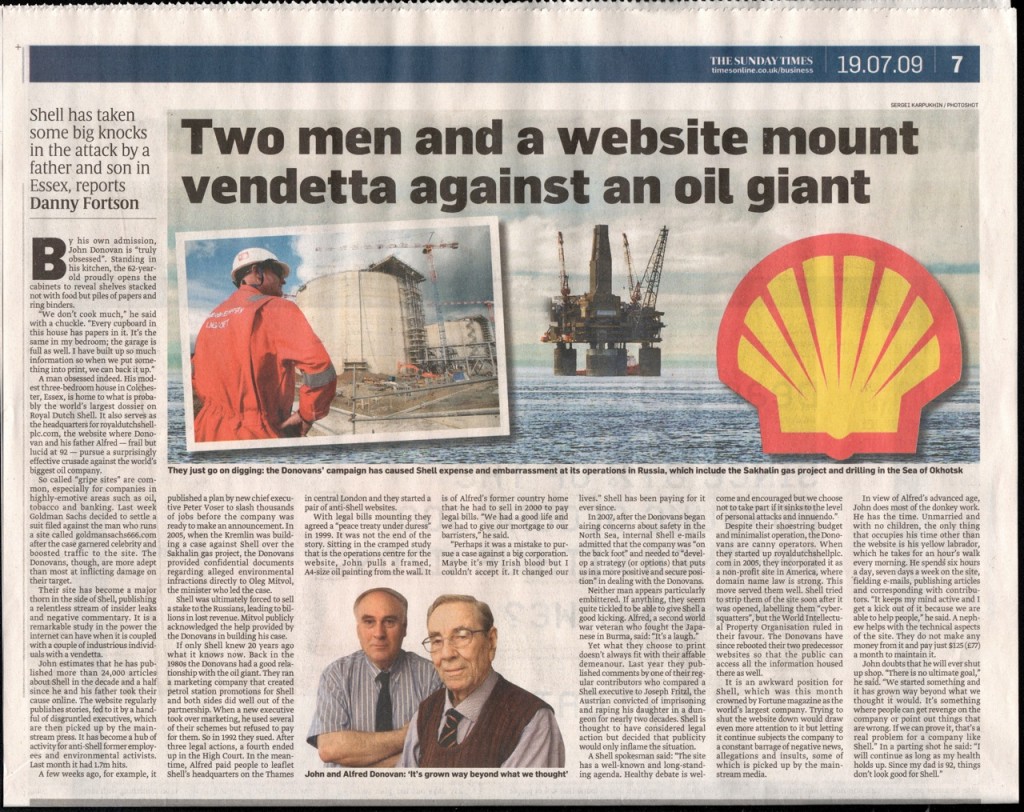
This website and sisters royaldutchshellplc.com, shellnazihistory.com, royaldutchshell.website, johndonovan.website, and shellnews.net, are owned by John Donovan. There is also a Wikipedia segment.


 Royal Dutch Shell conspired directly with Hitler, financed the Nazi Party, was anti-Semitic and sold out its own Dutch Jewish employees to the Nazis. Shell had a close relationship with the Nazis during and after the reign of Sir Henri Deterding, an ardent Nazi, and the founder and decades long leader of the Royal Dutch Shell Group. His burial ceremony, which had all the trappings of a state funeral, was held at his private estate in Mecklenburg, Germany. The spectacle (photographs below) included a funeral procession led by a horse drawn funeral hearse with senior Nazis officials and senior Royal Dutch Shell directors in attendance, Nazi salutes at the graveside, swastika banners on display and wreaths and personal tributes from Adolf Hitler and Reichsmarschall, Hermann Goring. Deterding was an honored associate and supporter of Hitler and a personal friend of Goring.

 Deterding was the guest of Hitler during a four day summit meeting at Berchtesgaden. Sir Henri and Hitler both had ambitions on Russian oil fields. Only an honored personal guest would be rewarded with a private four day meeting at Hitler’s mountain top retreat.


 IN JULY 2007, MR BILL CAMPBELL (ABOVE, A RETIRED GROUP AUDITOR OF SHELL INTERNATIONAL SENT AN EMAIL TO EVERY UK MP AND MEMBER OF THE HOUSE OF LORDS:


 MORE DETAILS:


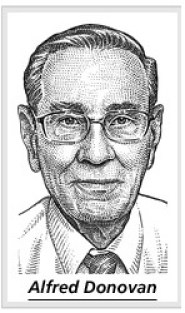 A head-cut image of Alfred Donovan (now deceased) appears courtesy of The Wall Street Journal.