Published: July 27 2006 03:00 | Last updated: July 27 2006 03:00
It would have been the deal of the century. Had BP swooped on Royal Dutch Shell, it would have created a behemoth pumping 4.6m barrels of oil a day – more than Iran’s output.
Shell has spent the past couple of years recovering from its reserves scandal. That made it a classic target: a world-class set of assets with a weakened management and valuation. BP’s near-term production growth would fit well with Shell’s longer-term potential.
That BP did not proceed probably has much to do with fears over a regulatory backlash. In global terms, however, the three supermajors, including ExxonMobil, account for less than one-tenth of upstream oil production. Large-scale disposal of refining and marketing assets would be required, but there would have been no shortage of buyers. Equally important, perhaps, were fears that the merger of two oil giants amid surging energy prices would not play well with politicians.
The last wave of oil industry consolidation in 1998-2000 aimed to cut costs in the face of sub-$10 crude. These days, the supermajors are, if anything, too lean – witness BP’s operational problems in the US. A full bank account is of little use if there are no engineers to be had and resource-rich governments will not play ball. The real problem is finding sustainable top-line growth. Just being bigger will not help with this. That is why the supermajors’ shares have been steadily de-rated. More important are relationships with national oil companies. BP, and others, ultimately need more TNKs.
For now, the national oil companies feel secure enough on their own. That means all-share mergers among the western majors still offer some medium-term benefits. Diversifying risk and weeding out the weakest bits of a combined asset portfolio would create value. Just because BP and Shell did not make it to the altar this time does not mean others will not. Total, Chevron and ConocoPhillips all look like obvious candidates. High oil prices help to mask these issues right now, but the pressure for more fundamental industry restructuring will not go away.
Copyright The Financial Times Limited 2006
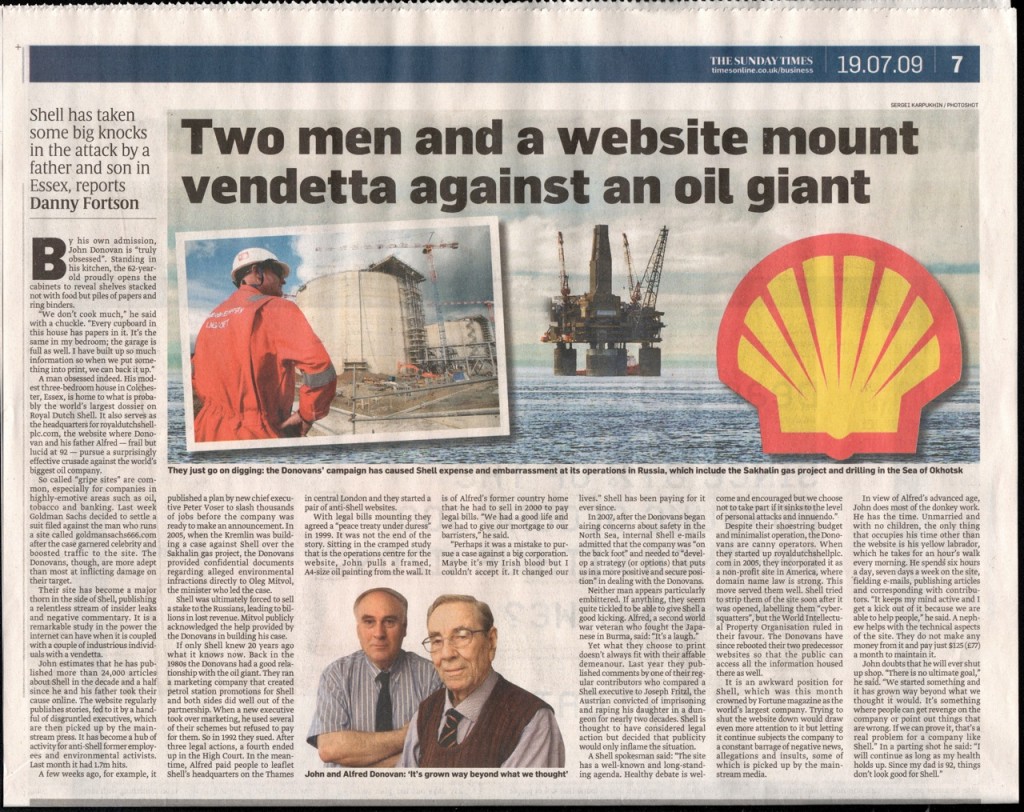
This website and sisters royaldutchshellplc.com, shellnazihistory.com, royaldutchshell.website, johndonovan.website, and shellnews.net, are owned by John Donovan. There is also a Wikipedia segment.


 Royal Dutch Shell conspired directly with Hitler, financed the Nazi Party, was anti-Semitic and sold out its own Dutch Jewish employees to the Nazis. Shell had a close relationship with the Nazis during and after the reign of Sir Henri Deterding, an ardent Nazi, and the founder and decades long leader of the Royal Dutch Shell Group. His burial ceremony, which had all the trappings of a state funeral, was held at his private estate in Mecklenburg, Germany. The spectacle (photographs below) included a funeral procession led by a horse drawn funeral hearse with senior Nazis officials and senior Royal Dutch Shell directors in attendance, Nazi salutes at the graveside, swastika banners on display and wreaths and personal tributes from Adolf Hitler and Reichsmarschall, Hermann Goring. Deterding was an honored associate and supporter of Hitler and a personal friend of Goring.

 Deterding was the guest of Hitler during a four day summit meeting at Berchtesgaden. Sir Henri and Hitler both had ambitions on Russian oil fields. Only an honored personal guest would be rewarded with a private four day meeting at Hitler’s mountain top retreat.


 IN JULY 2007, MR BILL CAMPBELL (ABOVE, A RETIRED GROUP AUDITOR OF SHELL INTERNATIONAL SENT AN EMAIL TO EVERY UK MP AND MEMBER OF THE HOUSE OF LORDS:


 MORE DETAILS:


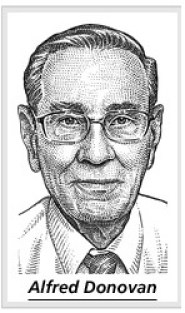 A head-cut image of Alfred Donovan (now deceased) appears courtesy of The Wall Street Journal.