

The world’s largest oil companies have survived a life-changing crisis, and are now poised to reap the rewards, Goldman Sachs Group Inc. said.
Big Oil is in a sweet spot with rising oil prices and low operating costs, leaving them with the biggest cash-flow growth in two decades and boosting earnings, Goldman said in a report Monday. That will increase their attraction for investors after years of elevated spending followed by crude’s slump sent their weighting in global equity indexes to a 50-year low, according to the bank.
“We see this as the start of a new golden age for Big Oil’s reborn Seven Sisters,” said analysts led by Michele Della Vigna, referring to the seven largest non-state oil companies. It is “also a favorable environment for returns in the commodity.”
Crude’s slump since the middle of 2014 wiped out some smaller companies and changed the way the biggest operate as they continue to drive down costs in an attempt to survive. A downturn is typically followed by a period of relative plenty as the cost of getting new barrels out of the ground takes time to catch up with the crude price, widening profit margins.
The majors are leading the pack. While crude’s collapse pushed the weight of oil companies in equity indexes to about 5 percent, less than half their normal level, Big Oil is now in a position to regain its standing. The slump culled smaller drillers and has left the larger ones with the opportunity to take more market share.
Royal Dutch Shell Plc, Total SA and BP Plc are among the majors that reported the highest earnings in years last quarter. Some even started share buybacks and others are promising higher dividends.
They are also benefiting from the start up of projects sanctioned years ago but were delayed by the downturn, Goldman said.
The years from 2011 to 2013 “witnessed the largest number of project sanctions in the history of the oil and gas industry,” Goldman said in the report. “While those investments are likely to yield low through-cycle returns, all these projects are now coming into production, releasing unproductive capital and providing the industry with the strongest production, cash flow growth in two decades.”
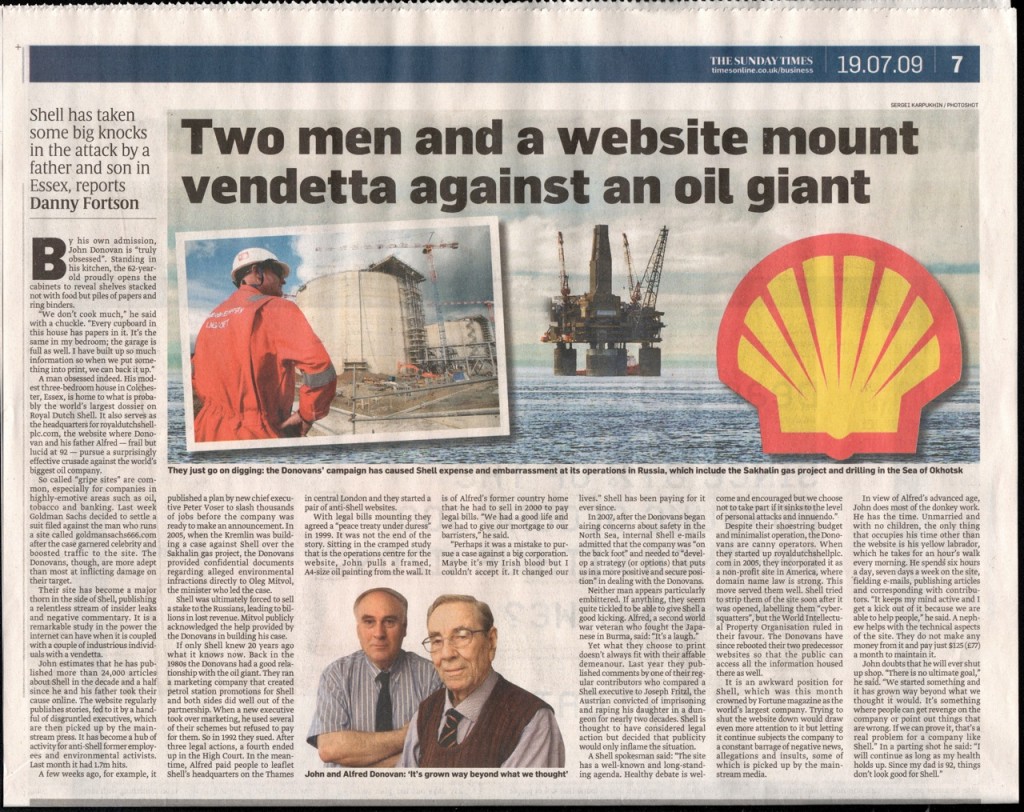
This website and sisters royaldutchshellplc.com, shellnazihistory.com, royaldutchshell.website, johndonovan.website, and shellnews.net, are owned by John Donovan. There is also a Wikipedia segment.


 Royal Dutch Shell conspired directly with Hitler, financed the Nazi Party, was anti-Semitic and sold out its own Dutch Jewish employees to the Nazis. Shell had a close relationship with the Nazis during and after the reign of Sir Henri Deterding, an ardent Nazi, and the founder and decades long leader of the Royal Dutch Shell Group. His burial ceremony, which had all the trappings of a state funeral, was held at his private estate in Mecklenburg, Germany. The spectacle (photographs below) included a funeral procession led by a horse drawn funeral hearse with senior Nazis officials and senior Royal Dutch Shell directors in attendance, Nazi salutes at the graveside, swastika banners on display and wreaths and personal tributes from Adolf Hitler and Reichsmarschall, Hermann Goring. Deterding was an honored associate and supporter of Hitler and a personal friend of Goring.

 Deterding was the guest of Hitler during a four day summit meeting at Berchtesgaden. Sir Henri and Hitler both had ambitions on Russian oil fields. Only an honored personal guest would be rewarded with a private four day meeting at Hitler’s mountain top retreat.


 IN JULY 2007, MR BILL CAMPBELL (ABOVE, A RETIRED GROUP AUDITOR OF SHELL INTERNATIONAL SENT AN EMAIL TO EVERY UK MP AND MEMBER OF THE HOUSE OF LORDS:


 MORE DETAILS:


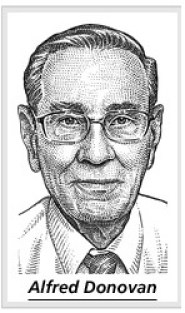 A head-cut image of Alfred Donovan (now deceased) appears courtesy of The Wall Street Journal.