

Royal Dutch Shell Plc and BP Plc agreed annual deals to buy Libyan crude, underscoring how the North African country’s recovering production and improving security are enticing some of the world’s largest oil companies.
Shell’s deal with Libya’s National Oil Corp. was the first of its kind since 2013 and Europe’s biggest oil company will load its first cargo under the contract within days, according to people familiar with the matter, who asked not to be identified because they’re not authorized to talk to the media. BP, which didn’t have a term deal in 2017, also reached an agreement for this year, the people said.
Libya pumped the most oil in four years in 2017 amid signs that the worst of a conflict that hobbled output was being resolved. While the return of Shell and BP to its list of customers would be good news for Libya, the country’s production remains well below where it used to be under the rule of dictator Moammar Qaddafi. Boosting it will also be challenging because Libya made a commitment to OPEC to limit supplies to reduce a global surplus.
A Shell spokesman wasn’t immediately able to comment while BP spokesman David Nicholas declined to do so. Mustafa Sanalla, chairman of Libya’s National Oil Corp., didn’t answer phone calls seeking comment.
In August, Shell bought its first shipment of Libyan crude in five years in a spot deal. Neither company was on the NOC’s list of 2017 term buyers, which includes companies such as Vitol Group, Glencore Plc, Total SA and OMV AG, according to a document obtained by Bloomberg.
Libya’s oil production returned to about 1 million barrels a day earlier this month, following power disruptions at the Sharara field, the nation’s largest. Libya and Nigeria have committed to restrict their combined production to about 2.8 million barrels a day as part of a producer pact led by the Organization of Petroleum Exporting Countries to cut an oversupply.
Libya’s averaged 828,000 barrels a day in 2017, the highest annual average in three years, according to data compiled by Bloomberg.
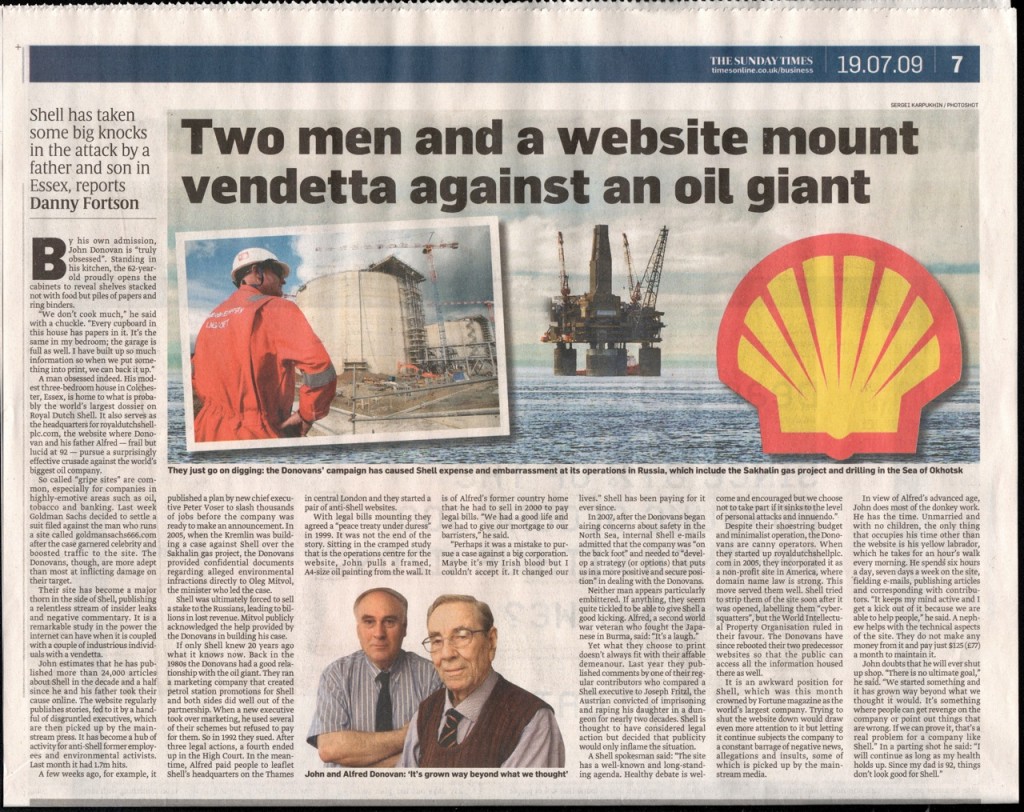
This website and sisters royaldutchshellplc.com, shellnazihistory.com, royaldutchshell.website, johndonovan.website, and shellnews.net, are owned by John Donovan. There is also a Wikipedia segment.


 Royal Dutch Shell conspired directly with Hitler, financed the Nazi Party, was anti-Semitic and sold out its own Dutch Jewish employees to the Nazis. Shell had a close relationship with the Nazis during and after the reign of Sir Henri Deterding, an ardent Nazi, and the founder and decades long leader of the Royal Dutch Shell Group. His burial ceremony, which had all the trappings of a state funeral, was held at his private estate in Mecklenburg, Germany. The spectacle (photographs below) included a funeral procession led by a horse drawn funeral hearse with senior Nazis officials and senior Royal Dutch Shell directors in attendance, Nazi salutes at the graveside, swastika banners on display and wreaths and personal tributes from Adolf Hitler and Reichsmarschall, Hermann Goring. Deterding was an honored associate and supporter of Hitler and a personal friend of Goring.

 Deterding was the guest of Hitler during a four day summit meeting at Berchtesgaden. Sir Henri and Hitler both had ambitions on Russian oil fields. Only an honored personal guest would be rewarded with a private four day meeting at Hitler’s mountain top retreat.


 IN JULY 2007, MR BILL CAMPBELL (ABOVE, A RETIRED GROUP AUDITOR OF SHELL INTERNATIONAL SENT AN EMAIL TO EVERY UK MP AND MEMBER OF THE HOUSE OF LORDS:


 MORE DETAILS:


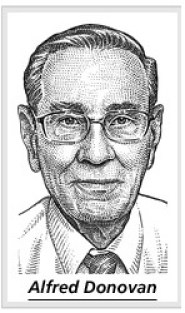 A head-cut image of Alfred Donovan (now deceased) appears courtesy of The Wall Street Journal.



In the last 4 Years, Libya has pumped the most Oil. It will indeed be a good news for the customers of Shell & BP as the worst conflict that hobbled output was resolved finally.
Libya’s production remanins below, as compared to when it used to be under the rule Moammar Qaddafi.
Also, in August, Shell bought first shipment of Libyan crude in five years. Libya averaged 828,000 barrels a day in 2017, the highest annual average in three years, according to data.