

Royal Dutch Shell will begin construction of a new $10bn petrochemicals site in the gas-rich Marcellus shale basin in the US within the next ten weeks as part of a radical growth plan for its petrochemicals business.
The oil major told investors that global demand for petrochemicals – which are used to manufacture the raw materials used to make plastics, paints and textiles – is set to grow by around 50pc by the end of the decade, making it a key area for the company’s growth.
Shell believes it can almost double the earnings from its chemicals business within the next two year to between $3.5bn to $4bn by adding three major petrochemical refineries to its portfolio before 2020.
“The biggest uplift to earnings and cash flow will probably only be in the early 2020s with the start-up of Shell’s Pennsylvania ethane cracker,” said Gordon Gray, an analyst at HSBC.
The renewed interest in petrochemicals manufacturing is due to the close proximity of cheap shale gas fields, which will supply ethane, a key refinery feedstock, for rock bottom prices.
“None of this would be happening if it weren’t for shale gas,” said Tom Crotty a senior director at Ineos, the owner of the Grangemouth refinery in Scotland.
Ineos has also tapped the US shale gas boom using eight specially designed Dragon sea vessels to transport ethane from the Pennsylvania shale fields to Grangemouth.
Mr Crotty said a large source of the increased demand for petrochemical products comes from China. The Chinese state has clamped down on refineries which are flouting environmental rules and worsening the country’s air quality concerns.
Market specialists at Icis estimate that no less than 70,000 chemicals and other manufacturing plants have been shut down in just three provinces in China since July.
“It’s a major opportunity for European refiners,” said Mr Crotty. He added that in the UK it could help rebalance the economy by providing thousands more jobs in the North of the country by increasing manufacturing.
For Shell the move offers further evidence of its shift away from oil. The supermajor is increasing the proportion of gas in its exploration and production business. It is also turning towards ‘downstream’ business operations such as retail sales of fuels and lubricants.
Shell will invest in a fourth alpha olefins unit at its Geismar, Louisiana plant in the US which will start-up in the second half of next year, and a second major petrochemicals complex in Nanhai, China.


 Royal Dutch Shell conspired directly with Hitler, financed the Nazi Party, was anti-Semitic and sold out its own Dutch Jewish employees to the Nazis. Shell had a close relationship with the Nazis during and after the reign of Sir Henri Deterding, an ardent Nazi, and the founder and decades long leader of the Royal Dutch Shell Group. His burial ceremony, which had all the trappings of a state funeral, was held at his private estate in Mecklenburg, Germany. The spectacle (photographs below) included a funeral procession led by a horse drawn funeral hearse with senior Nazis officials and senior Royal Dutch Shell directors in attendance, Nazi salutes at the graveside, swastika banners on display and wreaths and personal tributes from Adolf Hitler and Reichsmarschall, Hermann Goring. Deterding was an honored associate and supporter of Hitler and a personal friend of Goring.

 Deterding was the guest of Hitler during a four day summit meeting at Berchtesgaden. Sir Henri and Hitler both had ambitions on Russian oil fields. Only an honored personal guest would be rewarded with a private four day meeting at Hitler’s mountain top retreat.


 IN JULY 2007, MR BILL CAMPBELL (ABOVE, A RETIRED GROUP AUDITOR OF SHELL INTERNATIONAL SENT AN EMAIL TO EVERY UK MP AND MEMBER OF THE HOUSE OF LORDS:


 MORE DETAILS:


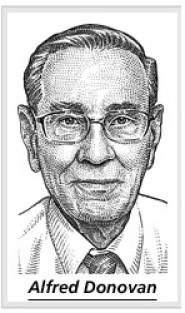 A head-cut image of Alfred Donovan (now deceased) appears courtesy of The Wall Street Journal.