OPEC’s commitment to cutting production to clear a global glut is working, but the group needs to address rising output from Libya and Nigeria, Iran’s Oil Minister Bijan Namdar Zanganeh said.
Compliance with the output cuts is “acceptable,” Zanganeh told reporters in Tehran. The Organization of Petroleum Exporting Countries should focus on “the situation with Libya and Nigeria,” he said, referring to the two countries exempted from capping production due to their internal strife.
“OPEC’s actions are working and compliance is acceptable overall, although there needs to be some change,” Zanganeh said, referring to OPEC members’ compliance with their pledges to pump less. “Changes are really related to Libya and Nigeria and the 100 percent compliance of everyone.” He didn’t elaborate.
OPEC and other global producers including Russia agreed to maintain output cuts through March to end a price rout that has battered their economies since 2014. Iran was part of the deal reached last year, though it was given special permission to raise output by 90,000 barrels a day. Libya and Nigeria were not part of the deal and have since increased production, complicating the efforts of the suppliers to reduce the glut. Benchmark Brent crude has dropped by about half from its 2014 peak.
OPEC backs any action to help stabilize the oil market, and if a meeting is needed for the group to decide whether to extend the cuts that expire in March, “we’ll arrange it,” Zanganeh said.
Iraqi Production
Iran “will consider everything within the framework of our national interest and cooperation with OPEC,” he said when asked whether the country would adjust its output.
Iraq supports OPEC’s efforts to pare oil output and clear a global glut even as the group’s second-biggest producer plans to expand its own capacity to pump more, Iraqi Oil Minister Jabbar al-Luaibi said Sunday at a news conference in Baghdad.
The country’s plan to boost capacity to 5 million barrels a day by the end of the year won’t affect crude markets, he said. Iraq won’t export all of its additional output, he said. The nation pumped 4.49 million barrels a day in August, data compiled by Bloomberg show.
“The oil market’s status is stable, and we don’t accept that any country exceed its share” under OPEC’s deal to cut production, he said. “We support OPEC’s position to stabilize markets.”
Iraq is seeking to rebuild its energy industry after decades of conflict, and al-Luaibi sought to reassure oil markets a day before the country’s energy-rich, self-governing Kurdish area plans to vote on a referendum on independence. The central government opposes the vote, which many global powers say could create further instability in a region convulsed by war. The Kurds plan to include the disputed Kirkuk region, home to Iraq’s oldest producing oil fields, in the referendum.
Oil should be left out of the political wrangling over control of Kirkuk, al-Luaibi said. Kurds, Arabs and Turkmens are all competing to control Kirkuk, making it a potential flashpoint for conflict. The Baghdad-run North Oil Co. is currently pumping 500,000 barrels a day in northern Iraq, he said.
Iraq’s government is still in discussions with Royal Dutch Shell Plc, which quit Iraq’s southern Majnoon field and plans also to withdraw from the West Qurna-1 deposit, al-Luaibi said. It’s not talking with any other oil companies about replacing Shell, he said.
“We have no problems in finding international companies” to replace the oil major, al-Luaibi said, adding that Iraqi staff are capable of taking over from Shell.
Iraq will soon sign a deal with Iran to jointly invest in two oil fields, he said, without giving a date. It’s also in talks with Kuwait to jointly develop four fields and to ship surplus natural gas to Kuwait, he said.
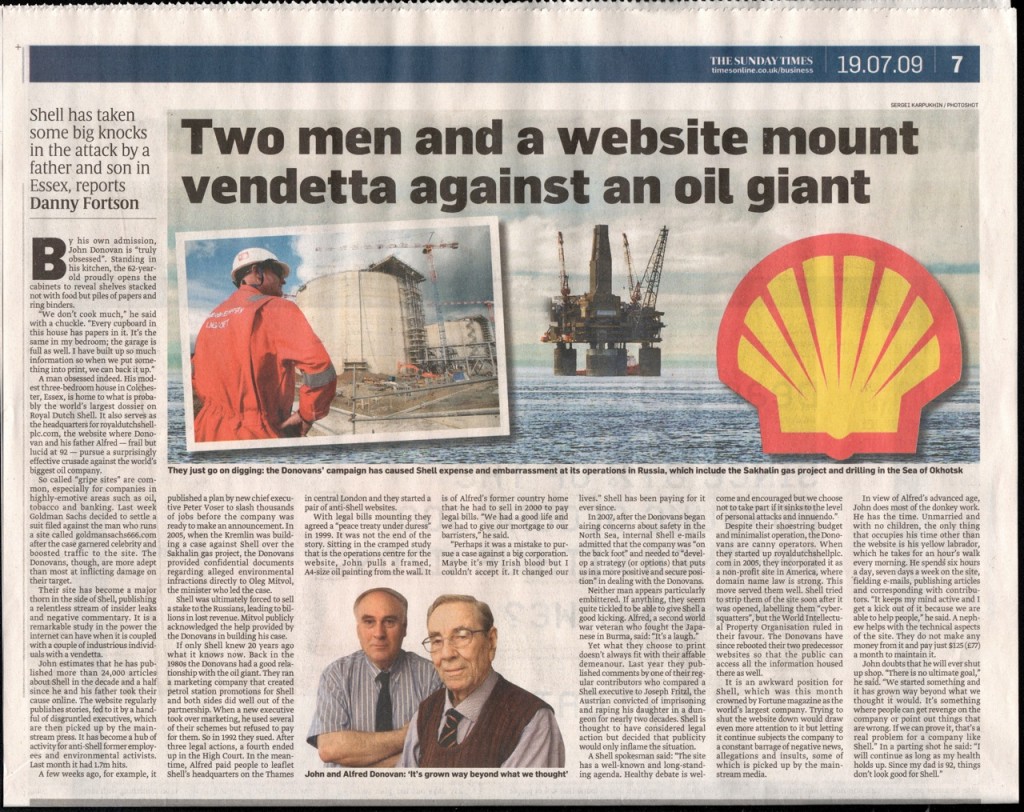
This website and sisters royaldutchshellplc.com, shellnazihistory.com, royaldutchshell.website, johndonovan.website, and shellnews.net, are owned by John Donovan. There is also a Wikipedia segment.


 Royal Dutch Shell conspired directly with Hitler, financed the Nazi Party, was anti-Semitic and sold out its own Dutch Jewish employees to the Nazis. Shell had a close relationship with the Nazis during and after the reign of Sir Henri Deterding, an ardent Nazi, and the founder and decades long leader of the Royal Dutch Shell Group. His burial ceremony, which had all the trappings of a state funeral, was held at his private estate in Mecklenburg, Germany. The spectacle (photographs below) included a funeral procession led by a horse drawn funeral hearse with senior Nazis officials and senior Royal Dutch Shell directors in attendance, Nazi salutes at the graveside, swastika banners on display and wreaths and personal tributes from Adolf Hitler and Reichsmarschall, Hermann Goring. Deterding was an honored associate and supporter of Hitler and a personal friend of Goring.

 Deterding was the guest of Hitler during a four day summit meeting at Berchtesgaden. Sir Henri and Hitler both had ambitions on Russian oil fields. Only an honored personal guest would be rewarded with a private four day meeting at Hitler’s mountain top retreat.


 IN JULY 2007, MR BILL CAMPBELL (ABOVE, A RETIRED GROUP AUDITOR OF SHELL INTERNATIONAL SENT AN EMAIL TO EVERY UK MP AND MEMBER OF THE HOUSE OF LORDS:


 MORE DETAILS:


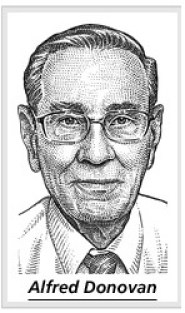 A head-cut image of Alfred Donovan (now deceased) appears courtesy of The Wall Street Journal.