

 A Mirai hydrogen fuel powered automobile, manufactured by Toyota Motor Corp., sits on the forecourt at Royal Dutch Shell Plc’s first U.K. hydrogen refueling station in Cobham, U.K., on Wednesday, Feb. 22, 2017. Shell, crafting a strategy to wean itself off oil, is expanding its operations in the refueling market for hydrogen cars. Photographer: Chris Ratcliffe/Bloomberg
Royal Dutch Shell Plc wants 20 percent of income from its retail forecourts to come from vehicles that don’t burn diesel or gasoline, as the company anticipates an accelerating transition to clean energy over the coming decade.
Shell set up its first hydrogen refueling station in the U.K. earlier this year and will install its first electric car charging point later this month, said John Abbott, the top executive of its downstream business, which includes refining, marketing, retail, trading and chemicals. By 2025, he expects these new operations supplying cleaner fuels, including natural gas, to make up a fifth of retail earnings.
As major markets including France, the U.K. and China talk about phasing out the sale of fossil-fuel-powered cars in the coming decades, major energy companies are taking steps to prepare and adapt. The downstream businesses of Shell and its peers have been an important source of profit during the oil market’s three-year downturn, but there are growing signs that demand for gasoline and diesel will start to wane as people switch to new forms of transport.
“We are talking to a lot of companies at the moment with a view to significantly extending the number of countries” where Shell has electric charging stations, Abbott said in an interview in London on Monday. “That’s what the forecourt of the future looks like.”
Shell and rivals including BP Plc have said that demand for oil could stop growing as early as the 2030s as the use of electric vehicles expands and more renewable sources of energy are used. As battery prices drop, the proportion of fully electric cars sold in the U.K. will rise to one in 12 by 2030, from one in 200 today, according Bloomberg New Energy Finance.
Shell plans to have 10 charging points in the U.K. by the end of the year, Abbott said. It also wants to expand non-fuel sales of items such as sandwiches and coffee to all of the 80 countries in which it operates, from about six in 2013, he said. It aims for 20 percent of retail earnings to come from products like these by 2025, he said.


 Royal Dutch Shell conspired directly with Hitler, financed the Nazi Party, was anti-Semitic and sold out its own Dutch Jewish employees to the Nazis. Shell had a close relationship with the Nazis during and after the reign of Sir Henri Deterding, an ardent Nazi, and the founder and decades long leader of the Royal Dutch Shell Group. His burial ceremony, which had all the trappings of a state funeral, was held at his private estate in Mecklenburg, Germany. The spectacle (photographs below) included a funeral procession led by a horse drawn funeral hearse with senior Nazis officials and senior Royal Dutch Shell directors in attendance, Nazi salutes at the graveside, swastika banners on display and wreaths and personal tributes from Adolf Hitler and Reichsmarschall, Hermann Goring. Deterding was an honored associate and supporter of Hitler and a personal friend of Goring.

 Deterding was the guest of Hitler during a four day summit meeting at Berchtesgaden. Sir Henri and Hitler both had ambitions on Russian oil fields. Only an honored personal guest would be rewarded with a private four day meeting at Hitler’s mountain top retreat.


 IN JULY 2007, MR BILL CAMPBELL (ABOVE, A RETIRED GROUP AUDITOR OF SHELL INTERNATIONAL SENT AN EMAIL TO EVERY UK MP AND MEMBER OF THE HOUSE OF LORDS:


 MORE DETAILS:


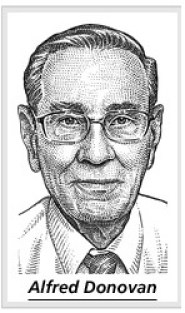 A head-cut image of Alfred Donovan (now deceased) appears courtesy of The Wall Street Journal.