

By David Hunn: August 26, 2016
Landmark, a technology unit of the energy services company Halliburton, is betting that it is, unveiling a cloud-computing platform last week that will allow companies to collaborate on developing software to process the massive volumes of data they collect on everything from geology to seismology to chemistry to drilling to flows of oil and gas. The idea is that easy and open access to the code on which the platform is based will lead to faster and better analysis of the data and ultimately to innovations that allow the industry to extract more oil and gas at lower costs.
“If you don’t innovate, you’ll be gone in 10 years,” said Michael Jones, senior director of strategy at Landmark. “This isn’t business as usual for us.”
The initiative is following a model used for years by tech giants such as Amazon.com and Google, as well as automakers, software companies and business services firms. Instead of protecting the code that runs the software, the model, called open source, opens the code to developers who share their work and build on each others’ improvements to create better software, products and services.
The model is new to the oil and gas industry, which has a tradition of cutthroat competition. That has left companies reluctant to share information and led to a host of proprietary computer systems that can’t communicate with each other. Landmark says moving its platform, called DecisionSpace, onto the cloud will overcome the technical barriers to collaboration and communication.
The cultural barriers could prove tougher, analysts said. For example, Landmark unveiled the initiative at its Innovation Forum and Expo in northwest Houston, where representatives from oil majors, independent drillers, and oil field services firms, such as Baker Hughes, spoke earnestly about the need for the industry to collaborate as it struggles to emerge from the worst oil bust in 30 years.
Missing, however, was Schlumberger, the world’s largest energy services provider. Nagaraj Srinivasan, the head of Halliburton’s digital operations, which include Landmark, said Schlumberger was not invited to collaborate on the initiative.
“But we are open to having them participate,” Srinivasan said.
Schlumberger did not respond to requests for comment.
The oil and gas industry has generally been slow to adopt advances in information technology, including cloud computing and big data.
Most of the conference speakers urged oil and gas companies to shed old ways, digitize more of their operations, use data more effectively, and streamline operations. With oil prices so low they may not have much choice, said Johan Nell, who leads consultant Accenture’s oil and gas practice.
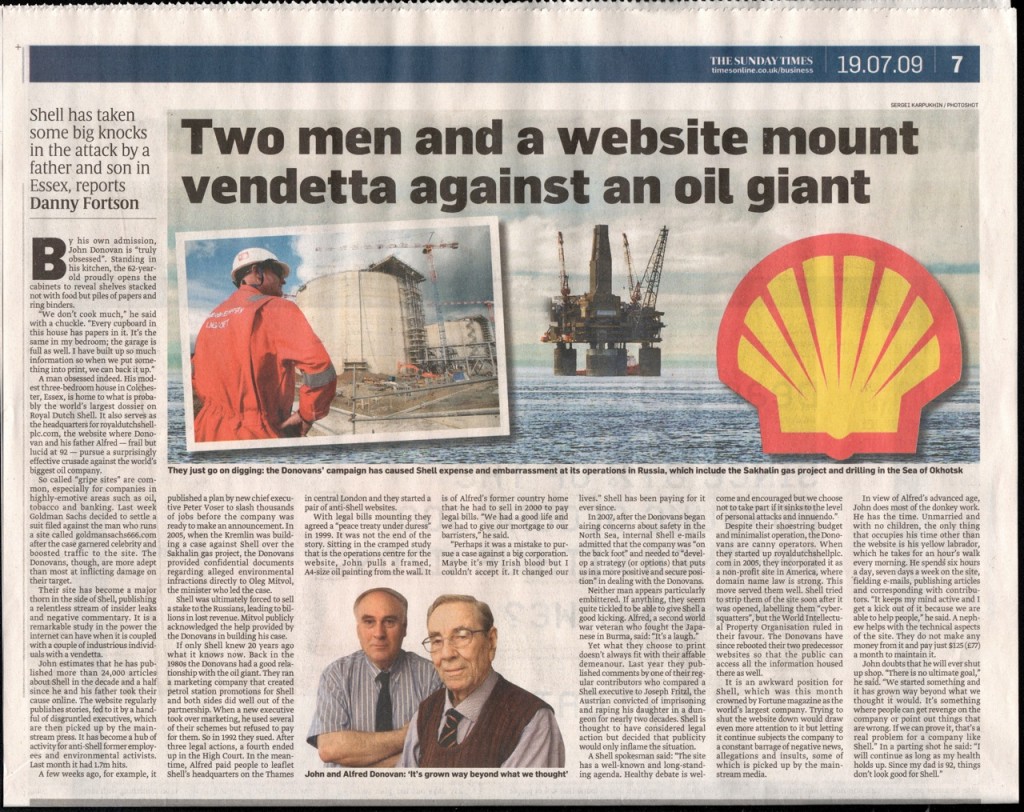
This website and sisters royaldutchshellplc.com, shellnazihistory.com, royaldutchshell.website, johndonovan.website, and shellnews.net, are owned by John Donovan. There is also a Wikipedia segment.


 Royal Dutch Shell conspired directly with Hitler, financed the Nazi Party, was anti-Semitic and sold out its own Dutch Jewish employees to the Nazis. Shell had a close relationship with the Nazis during and after the reign of Sir Henri Deterding, an ardent Nazi, and the founder and decades long leader of the Royal Dutch Shell Group. His burial ceremony, which had all the trappings of a state funeral, was held at his private estate in Mecklenburg, Germany. The spectacle (photographs below) included a funeral procession led by a horse drawn funeral hearse with senior Nazis officials and senior Royal Dutch Shell directors in attendance, Nazi salutes at the graveside, swastika banners on display and wreaths and personal tributes from Adolf Hitler and Reichsmarschall, Hermann Goring. Deterding was an honored associate and supporter of Hitler and a personal friend of Goring.

 Deterding was the guest of Hitler during a four day summit meeting at Berchtesgaden. Sir Henri and Hitler both had ambitions on Russian oil fields. Only an honored personal guest would be rewarded with a private four day meeting at Hitler’s mountain top retreat.


 IN JULY 2007, MR BILL CAMPBELL (ABOVE, A RETIRED GROUP AUDITOR OF SHELL INTERNATIONAL SENT AN EMAIL TO EVERY UK MP AND MEMBER OF THE HOUSE OF LORDS:


 MORE DETAILS:


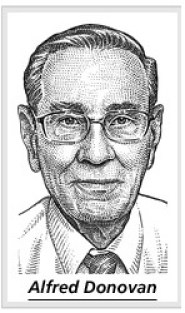 A head-cut image of Alfred Donovan (now deceased) appears courtesy of The Wall Street Journal.



Our information technology’s performance and reliability needs to be improved. It’s ubiquitous adaptation depends on it. Our personel needs to improve their English skills. Our oil and gas product will improve, followed by the market.