Article by James Paton published 8 April 2015 by Bloomberg

 Royal Dutch Shell Plc is seeking an outlet for its natural gas reserves in Australia’s Queensland state. The proposed acquisition of BG Group Plc could provide one.
If Shell buys BG, the combined company would surpass Chevron Corp. as the world’s second-largest oil and gas producer. It would also streamline the energy industry in Australia, which is on the path to becoming the world’s biggest liquefied natural gas exporter later this decade, and may prompt other acquisitions in the sector.
Shell and its partner PetroChina Co. have been looking at alternatives for their Arrow gas project after shelving plans to build an export terminal this year due to cost blowouts and slumping energy prices. Arrow is in the same state as plants run by Santos Ltd. and ConocoPhillips — and BG’s $20 billion Queensland Curtis LNG development.
“The Arrow assets are stranded at the moment, so it’s highly probable that if Shell’s purchase of BG went through, that gas would be monetized through QCLNG,” Neil Beveridge, an analyst at Sanford C. Bernstein in Hong Kong, said Wednesday. “That’s definitely a source of value” in any deal, he said.
The talks between Shell and BG have other implications in Australia, where investors see potential for a deal to spur further acquisitions.
Santos, Oil Search Ltd. and Beach Energy Ltd. rose today in Sydney trading partly on speculation that they’re potential targets, said Evan Lucas, market strategist at IG Ltd. in Melbourne.
Shortfall
In Queensland LNG, the projects face a potential shortfall in feedstock of as much as 30 percent over the next two decades, according to Credit Suisse Group AG. Linking Arrow to Curtis Island would help fix the problem.
Shell in 2013 delayed a decision to go ahead with Arrow due to cost inflation in Australia. The company said in January that a new export plant was “off the table.”
BG said on Tuesday it’s in advanced discussions with Shell although there’s no certainty that an offer will be forthcoming. The deal, which envisions combining Europe’s largest oil explorer by market value with the No. 3 U.K.-based energy producer, would be the industry’s biggest in at least a decade, according to data compiled by Bloomberg.
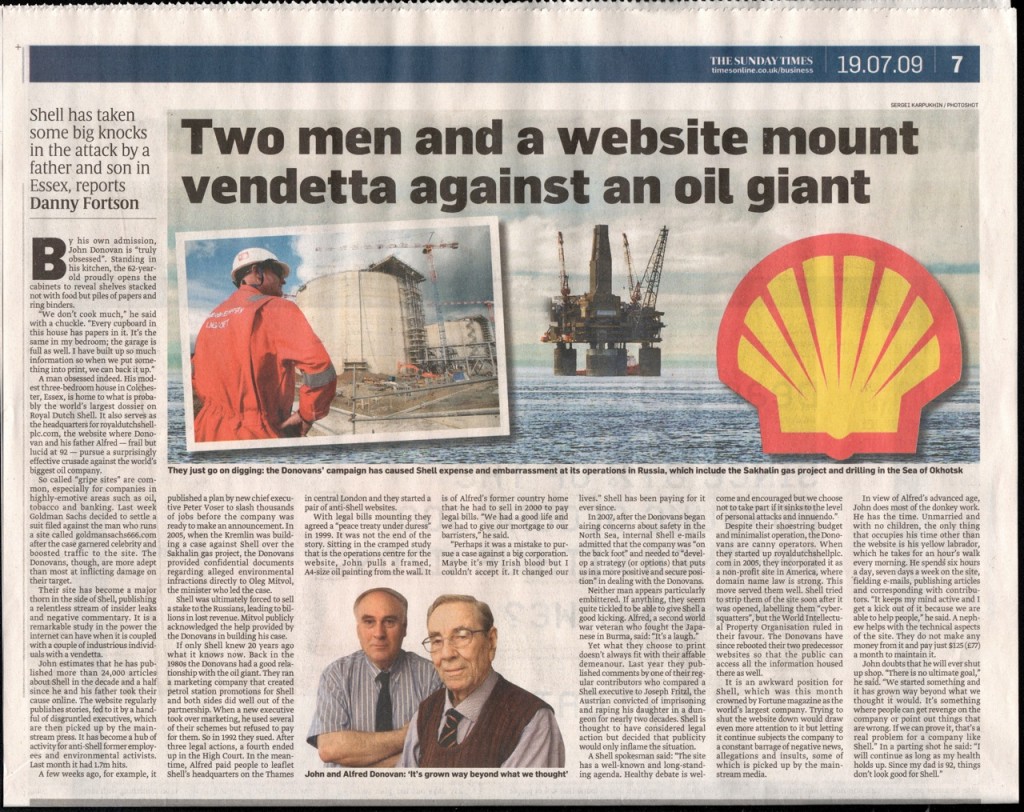
This website and sisters royaldutchshellplc.com, shellnazihistory.com, royaldutchshell.website, johndonovan.website, and shellnews.net, are owned by John Donovan. There is also a Wikipedia segment.


 Royal Dutch Shell conspired directly with Hitler, financed the Nazi Party, was anti-Semitic and sold out its own Dutch Jewish employees to the Nazis. Shell had a close relationship with the Nazis during and after the reign of Sir Henri Deterding, an ardent Nazi, and the founder and decades long leader of the Royal Dutch Shell Group. His burial ceremony, which had all the trappings of a state funeral, was held at his private estate in Mecklenburg, Germany. The spectacle (photographs below) included a funeral procession led by a horse drawn funeral hearse with senior Nazis officials and senior Royal Dutch Shell directors in attendance, Nazi salutes at the graveside, swastika banners on display and wreaths and personal tributes from Adolf Hitler and Reichsmarschall, Hermann Goring. Deterding was an honored associate and supporter of Hitler and a personal friend of Goring.

 Deterding was the guest of Hitler during a four day summit meeting at Berchtesgaden. Sir Henri and Hitler both had ambitions on Russian oil fields. Only an honored personal guest would be rewarded with a private four day meeting at Hitler’s mountain top retreat.


 IN JULY 2007, MR BILL CAMPBELL (ABOVE, A RETIRED GROUP AUDITOR OF SHELL INTERNATIONAL SENT AN EMAIL TO EVERY UK MP AND MEMBER OF THE HOUSE OF LORDS:


 MORE DETAILS:


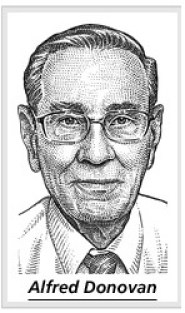 A head-cut image of Alfred Donovan (now deceased) appears courtesy of The Wall Street Journal.