
In 1995, pollution and politics in Nigeria hit the oil giant’s reputation hard
John Vidal: Tuesday 9 November 2010 17.33 GMT

A Shell Oil wellhead spill near Oloibiri Town, Bayelsa, Nigeria. Photograph: Ed Kashi/Corbis
1995 was Shell’s annus horribilis. Even as British environmentalists condemned its plan to dispose of the giant Brent Spar oil platform in the North Sea, a greater threat to the global brand emerged in the deep poverty of the Niger Delta where author and Ogoni activist Ken Saro-Wiwa, along with other tribal leaders, had challenged the company to clean up pollution from its wells and share more of its revenue with the poorest.
By June 1995, the company had been expelled from the delta following a peaceful uprising and was fending off allegations that it had colluded with the military in a series of massacres and human rights abuses. But a bad situation for Shell turned terrible when in November 1995 Saro-Wiwa and eight other Ogoni were sentenced to death on trumped-up murder charges by a military tribunal.
Two weeks later they were hanged at dawn and it emerged that Shell had not tried to plead for mercy for its critics, saying it was a matter for the state.
Outrage spread across the world. There were vigils and demonstrations, Nigeria was suspended from the Commonwealth and an international boycott of its products hurt the country financially. A reputation for honesty and integrity was shredded. Activists in Europe firebombed Shell stations, there were questions raised in parliaments around the world and the company’s reputation was in meltdown.
In response, Shell turned to the crisis limitation exercises, promising inquiries, offering money to rebuild Ogoni schools and hospitals and to clean up pollution. Within two years it had rebranded itself with “new values of honesty, integrity, respect for people, as well as professionalism, pride and openness, sustainable development and human rights.”
It never admitted guilt for what happened in the delta but publicly maintained that technically, legally and ethically it had acted correctly.
The papers that have shed light on Shell’s attempts to deal with the PR nightmare emerged from last year’s New York trial of the company by Saro-Wiwa’s son and others. The case never came to court because in June, the company agreed to an out-of-court settlement of $15.5m. Once again, the company denied any liability for the deaths, stating that the payment was part of a “reconciliation” process.
RELATED ARTICLE MI6 firm spied on green groups for Shell. Part of of the undercover activity related to Ken Saro-Wiwa.
This website and sisters royaldutchshellplc.com, shellnazihistory.com, royaldutchshell.website, johndonovan.website, and shellnews.net, are owned by John Donovan. There is also a Wikipedia segment.


 Royal Dutch Shell conspired directly with Hitler, financed the Nazi Party, was anti-Semitic and sold out its own Dutch Jewish employees to the Nazis. Shell had a close relationship with the Nazis during and after the reign of Sir Henri Deterding, an ardent Nazi, and the founder and decades long leader of the Royal Dutch Shell Group. His burial ceremony, which had all the trappings of a state funeral, was held at his private estate in Mecklenburg, Germany. The spectacle (photographs below) included a funeral procession led by a horse drawn funeral hearse with senior Nazis officials and senior Royal Dutch Shell directors in attendance, Nazi salutes at the graveside, swastika banners on display and wreaths and personal tributes from Adolf Hitler and Reichsmarschall, Hermann Goring. Deterding was an honored associate and supporter of Hitler and a personal friend of Goring.

 Deterding was the guest of Hitler during a four day summit meeting at Berchtesgaden. Sir Henri and Hitler both had ambitions on Russian oil fields. Only an honored personal guest would be rewarded with a private four day meeting at Hitler’s mountain top retreat.


 IN JULY 2007, MR BILL CAMPBELL (ABOVE, A RETIRED GROUP AUDITOR OF SHELL INTERNATIONAL SENT AN EMAIL TO EVERY UK MP AND MEMBER OF THE HOUSE OF LORDS:


 MORE DETAILS:


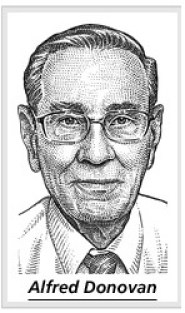 A head-cut image of Alfred Donovan (now deceased) appears courtesy of The Wall Street Journal.