
By Scott Malone
CAMBRIDGE, Massachusetts Wed Oct 13, 2010 (Reuters) – Royal Dutch Shell, which is investigating about 10 second-generation biofuel technologies that would use nonfood raw materials, expects to narrow its research to about five options next year, its top scientist said.
“I am putting a lot of time and energy into sustainable biofuels, second-generation biofuels, in essence, the conversion of redundant material, straw, into ethanol,” Gerald Schotman, the Anglo-Dutch oil company’s chief technology officer said on Wednesday. “We’re also playing with ideas on algae, growing algae and then converting algae directly into gasoline and diesel.”
While ethanol has won praise for being a sustainable fuel, today it is largely made from corn and has also drawn criticism for diverting resources that could otherwise be used to feed people.
Shell’s second-generation efforts could work around that problem by converting either agricultural byproducts or algae to liquid fuel, either ethanol or a diesel-like fuel.
The company aims to focus its efforts on about five developing technologies next year, Schotman said in an interview: “2011 is going to be the year of choices.”
Schotman was in Cambridge, just outside Boston, to disclose that Shell had agreed to fund $25 million in Massachusetts Institute of Technology research projects focused on energy over the next five years.
He warned that it will be quite some time before biofuels and other renewable sources of energy, like wind and solar power, displace fossil fuels. By 2050, it’s possible that the world will generate 30 percent of its energy from renewable sources, but that leaves 70 percent in traditional fossil fuels, he said.
“This is a long-distance horse race,” he said of the development process. “The world estimated that it was going to take three laps, but it’s going to take six or seven laps.”
(Reporting by Scott Malone; Editing by Steve Orlofsky)
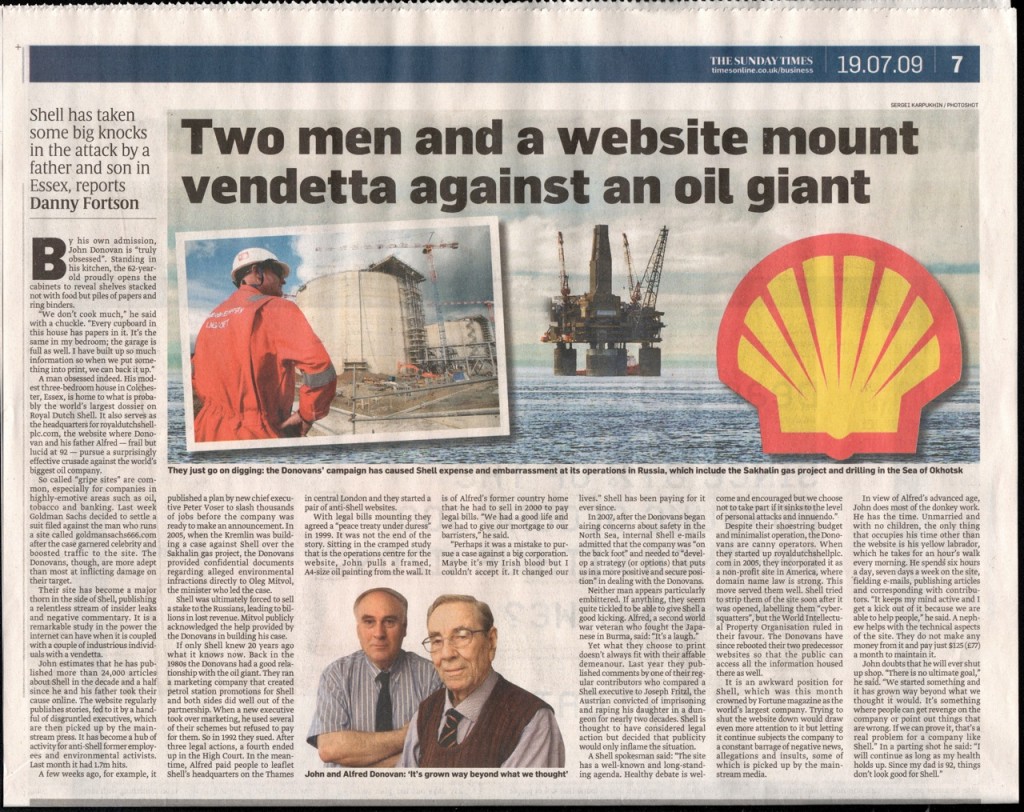
This website and sisters royaldutchshellplc.com, shellnazihistory.com, royaldutchshell.website, johndonovan.website, and shellnews.net, are owned by John Donovan. There is also a Wikipedia segment.


 Royal Dutch Shell conspired directly with Hitler, financed the Nazi Party, was anti-Semitic and sold out its own Dutch Jewish employees to the Nazis. Shell had a close relationship with the Nazis during and after the reign of Sir Henri Deterding, an ardent Nazi, and the founder and decades long leader of the Royal Dutch Shell Group. His burial ceremony, which had all the trappings of a state funeral, was held at his private estate in Mecklenburg, Germany. The spectacle (photographs below) included a funeral procession led by a horse drawn funeral hearse with senior Nazis officials and senior Royal Dutch Shell directors in attendance, Nazi salutes at the graveside, swastika banners on display and wreaths and personal tributes from Adolf Hitler and Reichsmarschall, Hermann Goring. Deterding was an honored associate and supporter of Hitler and a personal friend of Goring.

 Deterding was the guest of Hitler during a four day summit meeting at Berchtesgaden. Sir Henri and Hitler both had ambitions on Russian oil fields. Only an honored personal guest would be rewarded with a private four day meeting at Hitler’s mountain top retreat.


 IN JULY 2007, MR BILL CAMPBELL (ABOVE, A RETIRED GROUP AUDITOR OF SHELL INTERNATIONAL SENT AN EMAIL TO EVERY UK MP AND MEMBER OF THE HOUSE OF LORDS:


 MORE DETAILS:


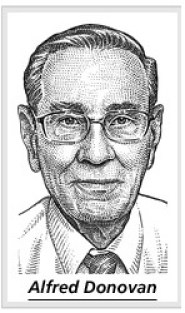 A head-cut image of Alfred Donovan (now deceased) appears courtesy of The Wall Street Journal.