
Christopher Helman, 12.08.09, 04:17 PM EST
The top concern of energy execs is that they’ll be too short-staffed when demand returns, according to Schlumberger consultant.
HOUSTON — Antoine Rostand started his career with Schlumberger 23 years ago as a wireline field engineer, gathering geological data from oil and gas wells.
Today he runs Schlumberger Business Consulting. With just 200 people, SBC is a tiny division within the larger Schlumberger ( SLB – news – people ), which boasts 77,000 employees and $20 billion in revenues, bigger than rivals Halliburton ( HAL – news – people ), Weatherford International ( WFT – news – people ) and Baker Hughes ( BHI – news – people ).
Whereas the bulk of Schlumberger’s work is directed out in the field, drilling wells, managing geological data, operating plants and pipelines, the Paris-based Rostand’s focus for the consulting group is on the executive suite. He and his consultants advise top oil and gas executives on how to manage their resources from the top down.
What’s the biggest concern facing Rostand’s clients now? “Whether they will have enough people to face the surge in demand in three to five years from now.”
This is interesting for several reasons. First, that oil companies expect a surge in demand when the global economy recovers. Second, that they’re not worried about Peak Oil–the pessimist dogma that oilfields have been run down so much that supply growth will soon be impossible. (Says Rostand, “There’s enough resources to provide the oil that the world will need for many years to come.”) Rather the worry is that oil and gas companies, Schlumberger included, that cut hundreds of staff when prices plunged, won’t have enough hands on deck to develop new resources fast enough when demand growth returns.
Rostand says it’s vital that companies keep up links with universities and continue to invest in training and new facilities. “The number one message we have for our clients is: keep recruiting.”
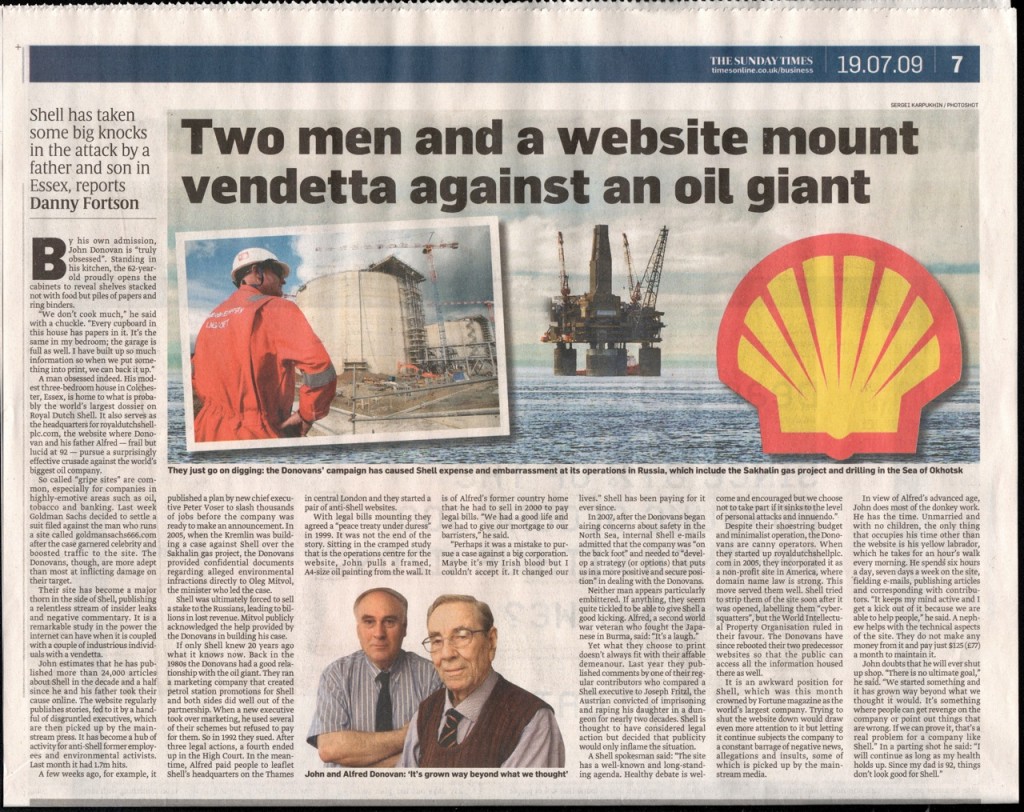
This website and sisters royaldutchshellplc.com, shellnazihistory.com, royaldutchshell.website, johndonovan.website, and shellnews.net, are owned by John Donovan. There is also a Wikipedia segment.


 Royal Dutch Shell conspired directly with Hitler, financed the Nazi Party, was anti-Semitic and sold out its own Dutch Jewish employees to the Nazis. Shell had a close relationship with the Nazis during and after the reign of Sir Henri Deterding, an ardent Nazi, and the founder and decades long leader of the Royal Dutch Shell Group. His burial ceremony, which had all the trappings of a state funeral, was held at his private estate in Mecklenburg, Germany. The spectacle (photographs below) included a funeral procession led by a horse drawn funeral hearse with senior Nazis officials and senior Royal Dutch Shell directors in attendance, Nazi salutes at the graveside, swastika banners on display and wreaths and personal tributes from Adolf Hitler and Reichsmarschall, Hermann Goring. Deterding was an honored associate and supporter of Hitler and a personal friend of Goring.

 Deterding was the guest of Hitler during a four day summit meeting at Berchtesgaden. Sir Henri and Hitler both had ambitions on Russian oil fields. Only an honored personal guest would be rewarded with a private four day meeting at Hitler’s mountain top retreat.


 IN JULY 2007, MR BILL CAMPBELL (ABOVE, A RETIRED GROUP AUDITOR OF SHELL INTERNATIONAL SENT AN EMAIL TO EVERY UK MP AND MEMBER OF THE HOUSE OF LORDS:


 MORE DETAILS:


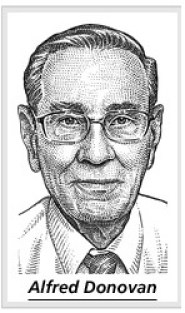 A head-cut image of Alfred Donovan (now deceased) appears courtesy of The Wall Street Journal.