
By Randy Fabi
ABUJA (Reuters) – Nigeria’s controversial oil reform bill is likely to make it easier for more foreign oil companies to compete for lucrative oil and gas contracts in Africa’s biggest energy producer, a top industry official said.
Nigeria’s parliament is finalising legislation to transform the way it runs its energy sector by creating a profit-driven national oil company and seizing more control over its natural resources.
Royal Dutch Shell, Exxon Mobil, Total and Chevron, which have dominated Nigeria’s energy sector for decades, have criticised the Petroleum Industry Bill saying it could threaten billions of dollars of investment if it goes ahead in its current form.
But the bill could also open up opportunities for new players to grab a foothold in Nigeria.
“I don’t think the new bill will have as many problems for new investors,” Rudy Ferreira, managing director of Brazil’s state-run Petrobras subsidiary in Nigeria, told Reuters. “I think they are going to find ways to make things more attractive for us.”
One of the most controversial provisions in the oil reform bill would allow the government to retake acreage that has not yet been explored by their owners.
Chinese state energy firm CNOOC in September identified 23 oil licences in Nigeria in which it would like to buy stakes, including 16 already operated by Royal Dutch Shell, Chevron and Exxon Mobil.
Petrobras did not say if it was interested in any specific oil blocks, but has earmarked more than $2 billion for investment in Nigerian oil exploration and production over the next five years.
Petrobras, which first invested in Nigeria about a decade ago, has already spent around $2.5 billion in the world’s eighth largest oil exporter.
“We hope to increase that but this depends on the government here. For Petrobras, we are always looking for strategic partnerships with Nigeria,” Ferreira said.
Petrobras owns a 20 percent share in Nigeria’s newest deep offshore oilfield Akpo, which began production in March and has since reached its full output plateau of around 175,000 barrels per day.
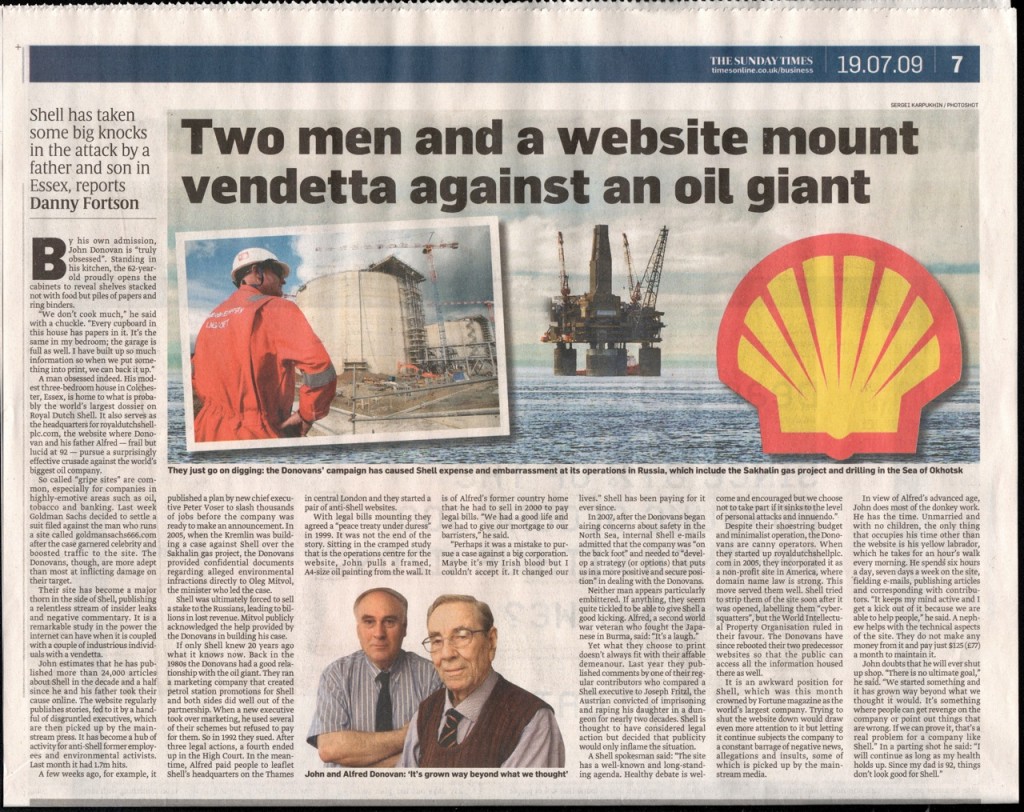
This website and sisters royaldutchshellplc.com, shellnazihistory.com, royaldutchshell.website, johndonovan.website, and shellnews.net, are owned by John Donovan. There is also a Wikipedia segment.


 Royal Dutch Shell conspired directly with Hitler, financed the Nazi Party, was anti-Semitic and sold out its own Dutch Jewish employees to the Nazis. Shell had a close relationship with the Nazis during and after the reign of Sir Henri Deterding, an ardent Nazi, and the founder and decades long leader of the Royal Dutch Shell Group. His burial ceremony, which had all the trappings of a state funeral, was held at his private estate in Mecklenburg, Germany. The spectacle (photographs below) included a funeral procession led by a horse drawn funeral hearse with senior Nazis officials and senior Royal Dutch Shell directors in attendance, Nazi salutes at the graveside, swastika banners on display and wreaths and personal tributes from Adolf Hitler and Reichsmarschall, Hermann Goring. Deterding was an honored associate and supporter of Hitler and a personal friend of Goring.

 Deterding was the guest of Hitler during a four day summit meeting at Berchtesgaden. Sir Henri and Hitler both had ambitions on Russian oil fields. Only an honored personal guest would be rewarded with a private four day meeting at Hitler’s mountain top retreat.


 IN JULY 2007, MR BILL CAMPBELL (ABOVE, A RETIRED GROUP AUDITOR OF SHELL INTERNATIONAL SENT AN EMAIL TO EVERY UK MP AND MEMBER OF THE HOUSE OF LORDS:


 MORE DETAILS:


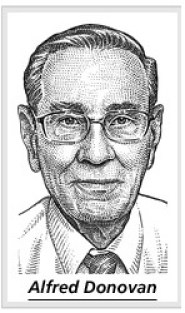 A head-cut image of Alfred Donovan (now deceased) appears courtesy of The Wall Street Journal.