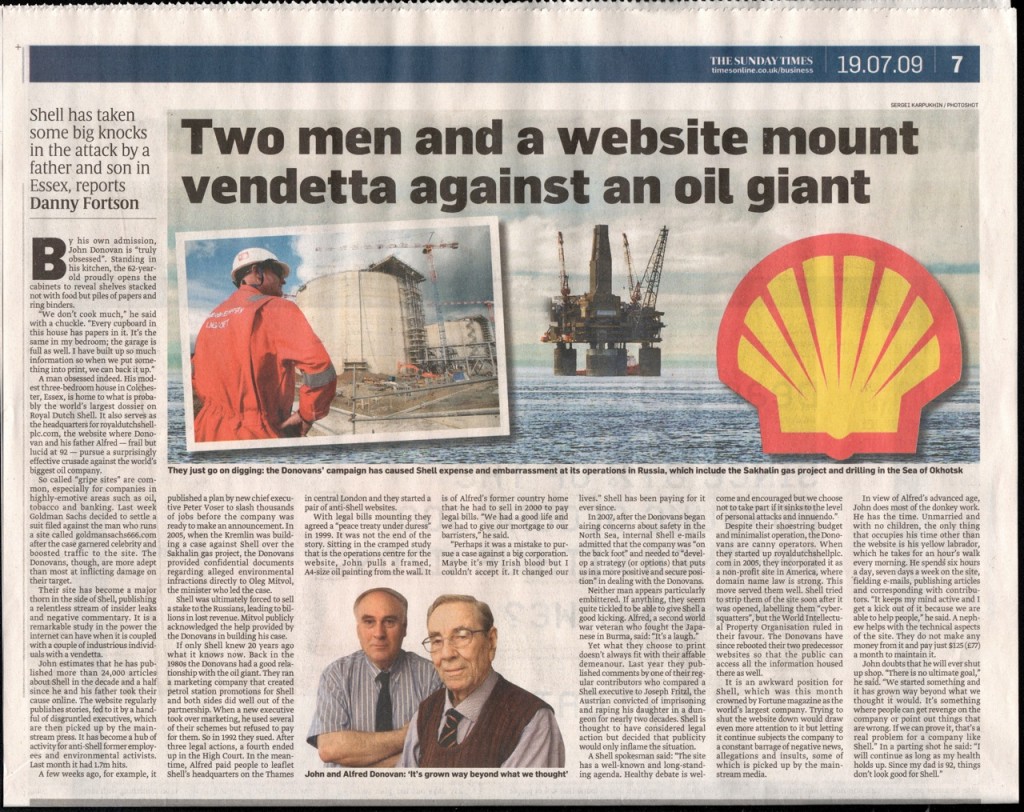
Analysts estimate that BP, which is also the UK's biggest listed company, and Shell need an oil price of between $60-$65 barrel to be able to pay for their dividends and their multi-billion dollar capital spending programmes from cash flow. And given the difficulty these large integrated oil companies face in replacing production and maintaining reserves, they are more likely to cut the dividend than skimp on exploration. Last year, for example, Shell's reserve replacement ratio was 97 per cent, the seventh time in the past nine years that the company has failed to replace the volume of oil it produced.
July 11th, 2009:
How weakness for Shell or BP could tip the Footsie scales
This website and sisters royaldutchshellplc.com, shellnazihistory.com, royaldutchshell.website,
johndonovan.website, and shellnews.net,
are owned by John Donovan. There is also a Wikipedia segment.
Political turmoil turns Iran’s energy sector towards Beijing
European oil majors such as Total, Royal Dutch Shell, Repsol and Statoil have delayed plans to develop parts of South Pars, the world's biggest gas field, because of US sanctions, leading Iran to turn more frequently to China.
Does a Senior Obama Official Have Unseemly Ties to Notorious Human-Rights Abuser Chevron?
Other award recipients included Shell Oil (which just paid $15.5 million to settle a lawsuit over its alleged involvement in the killing of Nigerian playwright Ken Saro-Wiwa and eight other activists), Marathon Oil and Anglo Coal of South Africa. In giving Chevron the award, the GBC said Chevron "has long been a leader in the fight for global health." But those who have monitored the company's record for years beg to differ.
BP and Shell slide after disappointing Chevron update
 Posted by Nick Fletcher Friday 10 July 2009 08.56 BST guardian.co.uk
Oil shares are leading the market lower after negative comments overnight by Chevron, the second largest oil company in the US.
The company warned that its second quarter downstream profits would be significantly lower than the previous three months, due to a sharp decline in refining margins. Higher costs and weaker demand are doing the damage, said the company.
The news hit sentiment across the sector, with BP down 5.75p at 459.5p and Royal Dutch Shell A shares 19p lower at £14.33.


 Royal Dutch Shell conspired directly with Hitler, financed the Nazi Party, was anti-Semitic and sold out its own Dutch Jewish employees to the Nazis. Shell had a close relationship with the Nazis during and after the reign of Sir Henri Deterding, an ardent Nazi, and the founder and decades long leader of the Royal Dutch Shell Group. His burial ceremony, which had all the trappings of a state funeral, was held at his private estate in Mecklenburg, Germany. The spectacle (photographs below) included a funeral procession led by a horse drawn funeral hearse with senior Nazis officials and senior Royal Dutch Shell directors in attendance, Nazi salutes at the graveside, swastika banners on display and wreaths and personal tributes from Adolf Hitler and Reichsmarschall, Hermann Goring. Deterding was an honored associate and supporter of Hitler and a personal friend of Goring.

 Deterding was the guest of Hitler during a four day summit meeting at Berchtesgaden. Sir Henri and Hitler both had ambitions on Russian oil fields. Only an honored personal guest would be rewarded with a private four day meeting at Hitler’s mountain top retreat.


 IN JULY 2007, MR BILL CAMPBELL (ABOVE, A RETIRED GROUP AUDITOR OF SHELL INTERNATIONAL SENT AN EMAIL TO EVERY UK MP AND MEMBER OF THE HOUSE OF LORDS:


 MORE DETAILS:


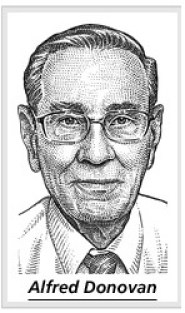 A head-cut image of Alfred Donovan (now deceased) appears courtesy of The Wall Street Journal.