
By Angela Macdonald-Smith
Oct. 20 (Bloomberg) — Chevron Corp., operator of the proposed Gorgon and Wheatstone liquefied natural gas ventures in Australia, said the government’s proposed emissions trading system threatens investments in the projects.
The carbon trading plan may jeopardize investment in Gorgon and Wheatstone, which will require similar capital spending to the $25 billion North West Shelf venture, Roy Krzywosinski, managing director of Chevron’s Australian unit, said today at a conference in Perth.
The Australian government proposes to start a carbon trading system on July 1, 2010, to tackle emissions blamed for global warming. Woodside Petroleum Ltd. and Royal Dutch Shell Plc are among other LNG producers in Australia who say a proposed draft of the plan, which excludes LNG companies from free emissions allowances, would threaten new projects.
A proposed emissions trading system involving a price of A$20 per metric ton of carbon “could very well increase the operating costs of the Chevron-operated Gorgon and Wheatstone projects by A$100 to A$200 million each per year,” Krzywosinksi said in the address, a copy of which was e-mailed to Bloomberg. “This is an additional cost that could put the viability of these massive projects in jeopardy.”
Chevron expects to spend about A$1 billion ($694 million) over the next two years on exploration work in Australia, including seismic studies, exploration and appraisal drilling, Krzywosinski said. Australia’s northwest is one of Chevron’s four principal exploration regions worldwide.
Carbon Capture
The Gorgon venture, which includes Exxon Mobil Corp. and Shell, plans to spend more than A$1 billion on carbon capture and underground storage, he said.
Chevron is increasing the number of workers employed at both the Gorgon and Wheatstone ventures, Krzywosinski said. Employment at Gorgon will increase to about 1,200 by next year, from more than 950 now, while employment at Wheatstone will rise to 160 from more than 100, he said.
LNG is natural gas that has been chilled to liquid form, reducing it to one-six-hundredth of its original volume at minus 161 degrees Celsius (minus 259 Fahrenheit), for transportation by ship to destinations not connected by pipeline. On arrival, it’s turned back into gas for distribution to power plants, factories and households.
To contact the reporter on this story: Angela Macdonald-Smith in Sydney at[email protected]
Last Updated: October 19, 2008 23:12 EDT
This website and sisters royaldutchshellplc.com, shellnazihistory.com, royaldutchshell.website, johndonovan.website, and shellnews.net, are owned by John Donovan. There is also a Wikipedia segment.


 Royal Dutch Shell conspired directly with Hitler, financed the Nazi Party, was anti-Semitic and sold out its own Dutch Jewish employees to the Nazis. Shell had a close relationship with the Nazis during and after the reign of Sir Henri Deterding, an ardent Nazi, and the founder and decades long leader of the Royal Dutch Shell Group. His burial ceremony, which had all the trappings of a state funeral, was held at his private estate in Mecklenburg, Germany. The spectacle (photographs below) included a funeral procession led by a horse drawn funeral hearse with senior Nazis officials and senior Royal Dutch Shell directors in attendance, Nazi salutes at the graveside, swastika banners on display and wreaths and personal tributes from Adolf Hitler and Reichsmarschall, Hermann Goring. Deterding was an honored associate and supporter of Hitler and a personal friend of Goring.

 Deterding was the guest of Hitler during a four day summit meeting at Berchtesgaden. Sir Henri and Hitler both had ambitions on Russian oil fields. Only an honored personal guest would be rewarded with a private four day meeting at Hitler’s mountain top retreat.


 IN JULY 2007, MR BILL CAMPBELL (ABOVE, A RETIRED GROUP AUDITOR OF SHELL INTERNATIONAL SENT AN EMAIL TO EVERY UK MP AND MEMBER OF THE HOUSE OF LORDS:


 MORE DETAILS:


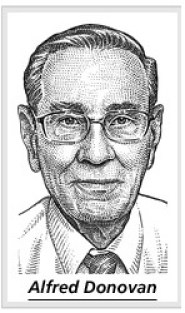 A head-cut image of Alfred Donovan (now deceased) appears courtesy of The Wall Street Journal.