
Petrol strike: garages start to run out of fuel
Holidaymakers heading to the southwest were urged yesterday to fill up their tanks before they go amid fears that it could become the first part of the country to run dry because of a strike by petrol tanker drivers.
By late yesterday as many as 150 of Britains 9,000 garages had run out of unleaded fuel. At least half these were garages selling petrol from Shell, the oil company targeted by tanker drivers demanding a 13% pay rise. Some still had more expensive premium fuel for sale.
Retailers have accused flying pickets of preventing fuel leaving terminals at Plymouth and Stanlow in Cheshire for Texaco and other non-Shell garages.
The long distances to the furthest parts of Devon and Cornwall and the sparsity of garages in rural areas mean that fuel is in danger of running out before the strike ends at 6am on Tuesday and petrol deliveries resume.
Yesterday 16 striking Shell drivers outside the oil depot at Plymouth, which supplies the West Country, were joined by drivers from other companies. In Stanlow they were briefly joined by 15 BP drivers, although the company claimed that its workers had been intimidated by the strikers.
The Petrol Retailers Association said illegal secondary picketing had prevented fuel getting out of some depots but stocks were very high going into the dispute because companies had had time to prepare. As well as the southwest, garages in Hartlepool and Merseyside, and also in some parts of Scotland, have run out.
Richard Burrows, the shop steward at Plymouth for the Unite trade union, said: No deliveries will be going to garages during the dispute although some may be allowed to go to farms.
Those affected include Mark Ashby, who yesterday had already run out of petrol at the independent garage he owns at East Charleton, near Kingsbridge in south Devon, after a Texaco delivery failed to arrive.
For rural people it is a real inconvenience to run out of fuel, said Ashby. But we are just the tip of the iceberg.
An attempt by one Esso self-service garage at Devonport, near Plymouth, to limit fuel purchases to £10 ended in chaos when drivers refused to abide by it. Staff began pumping the fuel instead and the queueing cars blocked a roundabout.
The Department for Business Enterprise and Regulatory Reform (BERR) said Britain was coping well but the southwest was the most affected. The government said it had no intention of mobilising the army or enacting emergency powers to order petrol rationing.
However, BERR has used its powers to allow oil companies to share information on supplies and costs, an exchange usually disallowed as an anticompetitive practice. Ironically, Shell, which has about 900 service stations, will use the striking drivers to refuel its garages before a second strike starts on Friday.
Tony Woodley, joint leader of Unite, said last night that a third strike could take place the weekend after that.
Shell has been moving petrol via canal and pipelines from its refinery at Stanlow to stockpile fuel at airports and garages.
The company claimed last night that fewer than 15% of its sites were experiencing any disruption in the supply of either unleaded petrol or diesel.
The dispute stretches back to 1999 when Shell began contracting out its tanker deliveries to private firms. The drivers claim that their pay and conditions have suffered, but their basic salary of £32,000 is still far more than that earned by nurses or soldiers on active duty.
Ciaran Naidoo, a Unite spokesman, said: The inconvenience to the public is unfortunate but we lay the blame on Shell for failing to intervene.


 Royal Dutch Shell conspired directly with Hitler, financed the Nazi Party, was anti-Semitic and sold out its own Dutch Jewish employees to the Nazis. Shell had a close relationship with the Nazis during and after the reign of Sir Henri Deterding, an ardent Nazi, and the founder and decades long leader of the Royal Dutch Shell Group. His burial ceremony, which had all the trappings of a state funeral, was held at his private estate in Mecklenburg, Germany. The spectacle (photographs below) included a funeral procession led by a horse drawn funeral hearse with senior Nazis officials and senior Royal Dutch Shell directors in attendance, Nazi salutes at the graveside, swastika banners on display and wreaths and personal tributes from Adolf Hitler and Reichsmarschall, Hermann Goring. Deterding was an honored associate and supporter of Hitler and a personal friend of Goring.

 Deterding was the guest of Hitler during a four day summit meeting at Berchtesgaden. Sir Henri and Hitler both had ambitions on Russian oil fields. Only an honored personal guest would be rewarded with a private four day meeting at Hitler’s mountain top retreat.


 IN JULY 2007, MR BILL CAMPBELL (ABOVE, A RETIRED GROUP AUDITOR OF SHELL INTERNATIONAL SENT AN EMAIL TO EVERY UK MP AND MEMBER OF THE HOUSE OF LORDS:


 MORE DETAILS:


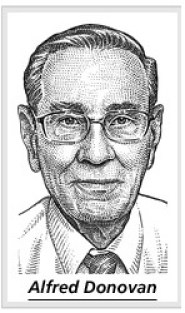 A head-cut image of Alfred Donovan (now deceased) appears courtesy of The Wall Street Journal.