30 Nov 2007 | 01:46 AM ET
NEW YORK – OAO Gazprom, Russia’s state-controlled gas monopoly, plans to operate a natural-gas entity in the US by 2014 as part of its strategy to expand its business outside of Russia, its deputy chairman said at a press briefing Thursday.
Alexander Medvedev acknowledged that the company faces regulatory hurdles in the U.S. and Europe, but said that Russia will use its economic strength to acquire assets there. Gazprom has faced resistance in Europe from critics who fear the company will have too much control over the energy markets there.
Gazprom has been undertaking a review of North American regasification facilities, which turn LNG back into a gaseous state after it is chilled to remove certain compounds. Medvedev said he is confident the company will have reserve capacity if and when its products come to market here.
“We are hopeful that if we find some … attractive assets in the U.S., the only prohibitive factor would be a prohibitive price” rather than political resistance, Medvedev said.
He also indicated that the “door is not closed to foreign partners” in Russia, as long as the state controls a majority stake in any ventures and terms are mutually advantageous.
Though state-owned oil companies control a major portion of the world’s hydrocarbon resources, they often rely on international oil companies to tap the resources due to their technological expertise. However, the Kremlin has ratcheted up pressure on foreign oil companies in recent years as part of its effort to consolidate control over the country’s largest and most important hydrocarbon deposits.
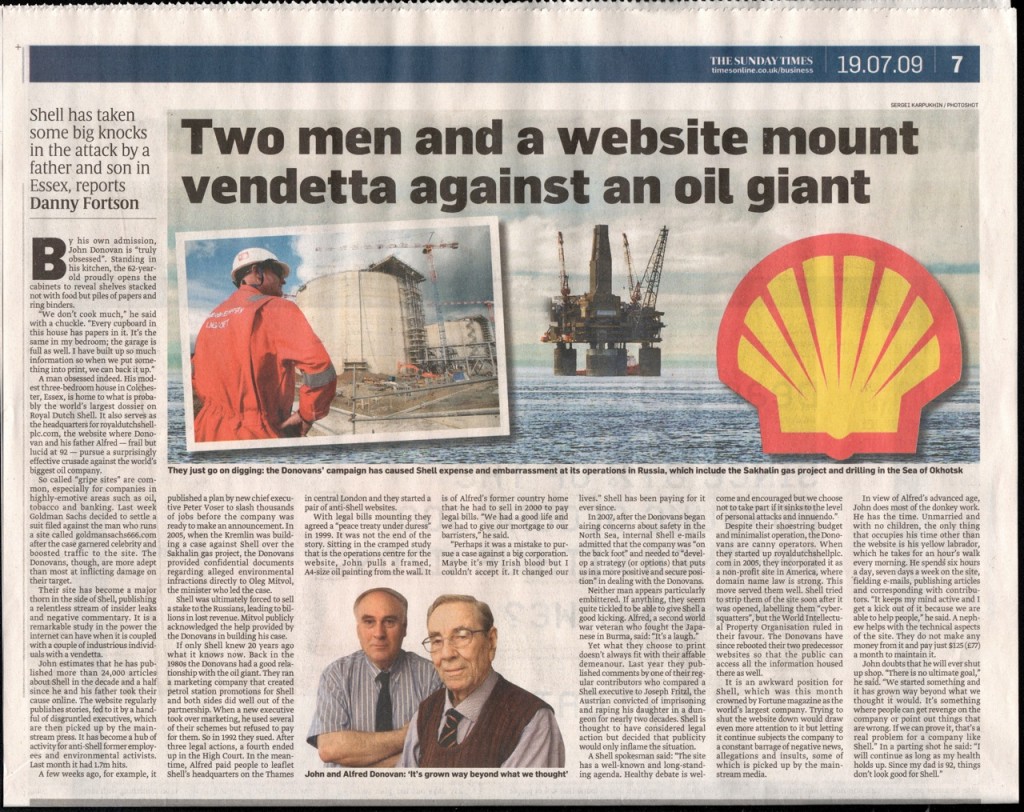
Foreign oil companies have been forced this year to cede control of a number of major projects that they acquired in Russia in the 1990s, most notably with Royal Dutch Shell Group PLC’s sale of a controlling stake in the Sakhalin-2 project, and BP PLC’s sale of its stake in the Kovykta gas field.
Medvedev also said there won’t be any problems bringing gas to Europe, despite recent supply disruptions which have stemmed from disputes between Russia and the nations of Ukraine and Belarus. Russia supplies up to 40 percent of the European Union’s natural gas via pipelines that run through the two nations.
Medvedev also said he was “fully confident” Gazprom would meet its expectation of reaching a $1 trillion market capitalization in five to eight years.
Copyright 2007 Associated Press. All rights reserved.
http://www.cnbc.com/id/22035036/for/cnbc
This website and sisters royaldutchshellplc.com, shellnazihistory.com, royaldutchshell.website, johndonovan.website, and shellnews.net, are owned by John Donovan. There is also a Wikipedia segment.


 Royal Dutch Shell conspired directly with Hitler, financed the Nazi Party, was anti-Semitic and sold out its own Dutch Jewish employees to the Nazis. Shell had a close relationship with the Nazis during and after the reign of Sir Henri Deterding, an ardent Nazi, and the founder and decades long leader of the Royal Dutch Shell Group. His burial ceremony, which had all the trappings of a state funeral, was held at his private estate in Mecklenburg, Germany. The spectacle (photographs below) included a funeral procession led by a horse drawn funeral hearse with senior Nazis officials and senior Royal Dutch Shell directors in attendance, Nazi salutes at the graveside, swastika banners on display and wreaths and personal tributes from Adolf Hitler and Reichsmarschall, Hermann Goring. Deterding was an honored associate and supporter of Hitler and a personal friend of Goring.

 Deterding was the guest of Hitler during a four day summit meeting at Berchtesgaden. Sir Henri and Hitler both had ambitions on Russian oil fields. Only an honored personal guest would be rewarded with a private four day meeting at Hitler’s mountain top retreat.


 IN JULY 2007, MR BILL CAMPBELL (ABOVE, A RETIRED GROUP AUDITOR OF SHELL INTERNATIONAL SENT AN EMAIL TO EVERY UK MP AND MEMBER OF THE HOUSE OF LORDS:


 MORE DETAILS:


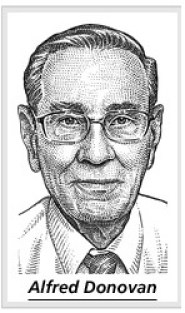 A head-cut image of Alfred Donovan (now deceased) appears courtesy of The Wall Street Journal.