By JAD MOUAWAD
Published: August 22, 2007
The government of Kazakhstan threatened yesterday to suspend work performed by a consortium of foreign oil companies at the Kashagan offshore field, one of the world’s largest oil projects, because of an assertion of environmental damage in the Caspian Sea.
The warning came amid official anger over lengthy delays and large cost overruns at the field, discovered in 2000.
Kazakhstan, which like other oil-producing countries has been seeking a larger share of the revenue from output, said this week that it had begun talks with Eni, the project’s Italian operator, about the future of Kashagan.
A spokeswoman for Eni confirmed that the foreign consortium had been “notified about alleged environmental violations and is considering them.” She declined to comment further.
But the threat is unlikely to halt the development of the Kashagan field, the biggest oil discovery of the last three decades. The warning is seen as a way for the Kazakh government to increase pressure on the foreign companies during negotiations, according to a person familiar with the situation who asked to remain anonymous, given the delicacy of the talks.
The group developing Kashagan is made up of Eni, Exxon Mobil, Royal Dutch Shell, ConocoPhillips, Total of France and Inpex Holdings of Japan. The principal Kazakh state oil company, KazMunaiGas, also has a stake in the project.
Nurlan Iskakov, environment minister of Kazakhstan, the largest former Soviet republic in Central Asia, told a government meeting yesterday that his office had evidence that the consortium had breached the country’s environmental laws. There were no details of the asserted damage.
The contention recalled a tactic successfully used by the Russian government against Shell in the Sakhalin II project. After a lengthy and highly publicized campaign charging environmental damage from that project, Shell eventually agreed to cede control to Gazprom, Russia’s state-owned energy company.
Production from Kashagan, which was originally supposed to begin in 2005, has been delayed until 2010 at the earliest, and costs have more than tripled, according to Kazakh officials.
Eni expects the Kashagan field to produce at least 1.5 million barrels of oil a day, making it one of the largest projects outside the Middle East.
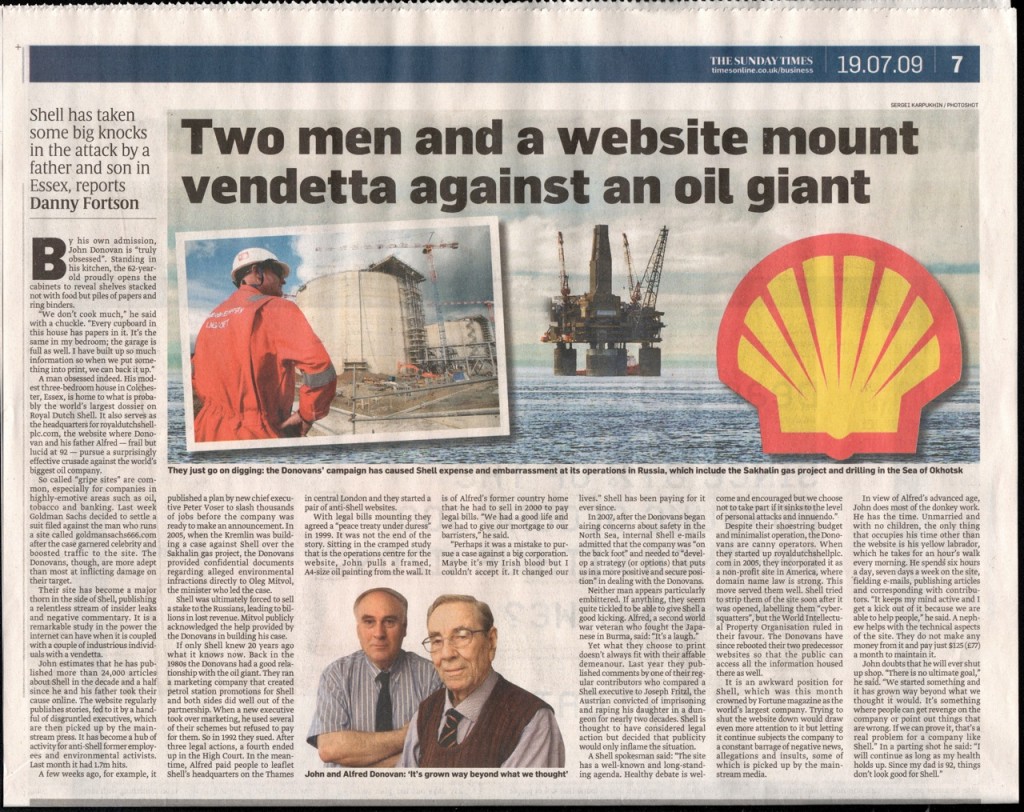
This website and sisters royaldutchshellplc.com, shellnazihistory.com, royaldutchshell.website, johndonovan.website, and shellnews.net, are owned by John Donovan. There is also a Wikipedia segment.


 Royal Dutch Shell conspired directly with Hitler, financed the Nazi Party, was anti-Semitic and sold out its own Dutch Jewish employees to the Nazis. Shell had a close relationship with the Nazis during and after the reign of Sir Henri Deterding, an ardent Nazi, and the founder and decades long leader of the Royal Dutch Shell Group. His burial ceremony, which had all the trappings of a state funeral, was held at his private estate in Mecklenburg, Germany. The spectacle (photographs below) included a funeral procession led by a horse drawn funeral hearse with senior Nazis officials and senior Royal Dutch Shell directors in attendance, Nazi salutes at the graveside, swastika banners on display and wreaths and personal tributes from Adolf Hitler and Reichsmarschall, Hermann Goring. Deterding was an honored associate and supporter of Hitler and a personal friend of Goring.

 Deterding was the guest of Hitler during a four day summit meeting at Berchtesgaden. Sir Henri and Hitler both had ambitions on Russian oil fields. Only an honored personal guest would be rewarded with a private four day meeting at Hitler’s mountain top retreat.


 IN JULY 2007, MR BILL CAMPBELL (ABOVE, A RETIRED GROUP AUDITOR OF SHELL INTERNATIONAL SENT AN EMAIL TO EVERY UK MP AND MEMBER OF THE HOUSE OF LORDS:


 MORE DETAILS:


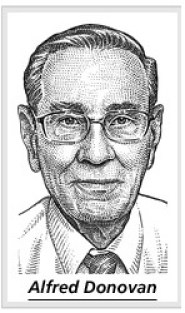 A head-cut image of Alfred Donovan (now deceased) appears courtesy of The Wall Street Journal.