FROM THE FINANCIAL TIMES (LEX COLUMN)
Published: June 30 2006 03:00 | Last updated: June 30 2006 03:00
BP’s sunflower is wilting. Having splashed its decidedly organic logo all over the place in the past year or so, right now BP could probably use its old one: a shield.
An allegation of price-fixing in the US propane market follows other public relations disasters for BP’s American operations. The worst was a fatal explosion at its Texas City refinery in March 2005, but it also faces a criminal investigation into pipeline leaks in Alaska.
The timing is bad. The oil industry’s vast cash flows make it a tempting target for US politicians (and lawyers) when the country is fretful about energy shortages. There has already been an unsuccessful attempt to uncover price-gouging in the US gasoline market. BP, a foreign corporation, is the country’s largest producer of natural gas. Propane’s use as a heating fuel for 7m households will make it easy for critics to juxtapose images of grannies shivering in their homesteads with those of faceless commodity traders.
That said, proving manipulation in the highly volatile propane market will be difficult. The allegations against BP centre on February 2004, when the propane price spiked and appeared to disconnect from heating oil and crude oil prices, which it usually tracks. But prices also spiked much higher exactly a year before that. Similar movements occurred in the winters of 1996-97 and 2000-01.
For BP’s shareholders, there are two considerations. One is that the company must redouble its efforts to reduce exposure to such claims in its US operations, which accountfor 38 per cent of group capital employed.
The second is that, barring a meltdown on the scale of Royal Dutch Shell’s reserves scandal in 2004, high oil and gas prices, while inviting hostility, will remain the main factor moving BP’s share price.
Copyright The Financial Times Limited 2006
This website and sisters royaldutchshellplc.com, shellnazihistory.com, royaldutchshell.website, johndonovan.website, and shellnews.net, are owned by John Donovan. There is also a Wikipedia segment.


 Royal Dutch Shell conspired directly with Hitler, financed the Nazi Party, was anti-Semitic and sold out its own Dutch Jewish employees to the Nazis. Shell had a close relationship with the Nazis during and after the reign of Sir Henri Deterding, an ardent Nazi, and the founder and decades long leader of the Royal Dutch Shell Group. His burial ceremony, which had all the trappings of a state funeral, was held at his private estate in Mecklenburg, Germany. The spectacle (photographs below) included a funeral procession led by a horse drawn funeral hearse with senior Nazis officials and senior Royal Dutch Shell directors in attendance, Nazi salutes at the graveside, swastika banners on display and wreaths and personal tributes from Adolf Hitler and Reichsmarschall, Hermann Goring. Deterding was an honored associate and supporter of Hitler and a personal friend of Goring.

 Deterding was the guest of Hitler during a four day summit meeting at Berchtesgaden. Sir Henri and Hitler both had ambitions on Russian oil fields. Only an honored personal guest would be rewarded with a private four day meeting at Hitler’s mountain top retreat.


 IN JULY 2007, MR BILL CAMPBELL (ABOVE, A RETIRED GROUP AUDITOR OF SHELL INTERNATIONAL SENT AN EMAIL TO EVERY UK MP AND MEMBER OF THE HOUSE OF LORDS:


 MORE DETAILS:


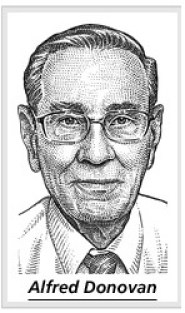 A head-cut image of Alfred Donovan (now deceased) appears courtesy of The Wall Street Journal.