FROM MARKETWATCH
Former BP energy trader pleads guilty to price gouging scheme
By Stephanie I. Cohen & Jim Jelter
WASHINGTON (MarketWatch) — Federal regulators on Wednesday accused BP Plc.’s North American energy trading unit of briefly cornering the U.S. propane market in 2004 in a scheme that jacked up homeowners and businesses’ heating bills across the rural Northeast.
At the same time, the Justice Department announced that one of BP’s former traders, 34-year-old Dennis Abbott of Houston, had pleaded guilty to participating in the scheme and was working with federal investigators checking to determine if other BP executives were involved, paving the way for a possible criminal case. Abbott faces a $250,000 fine and up to five years in prison for conspiring to drive up propane prices.
According to the Justice Department, Abbott said he “understood that the scheme was approved by senior executives at BP, and that steps were taken to avoid detection by market participants and others.”
Meanwhile, the Commodity Futures Trading Commission, after a months-long investigation, filed a civil complaint in a Chicago federal court against BP Products North America, Inc., a wholly owned subsidiary of the London-based energy giant, accusing BP traders of unleashing a speculative trading strategy that cornered up to 88% of the U.S. propane market by late February 2004.
During the winter months, propane is used primarily to heat rural homes and businesses in the Northeast that lack access to natural gas distribution lines. It is also commonly used throughout the country to fire up barbecues, stoves and lanterns.
The CFTC, which overseas commodity futures trading, said BP’s trading scheme involved building up long positions in the propane futures market and then withholding supplies during the peak winter heating season.
The commission claims the clandestine plan briefly pushed up propane prices by as much as 90 cents a gallon, a level unjustified given normal supply and demand in that market, in a bid that aimed to add $20 million to BP’s bottom line.
BP denies that it ever engaged in any price gouging or illegal trading schemes.
“Market manipulation did not occur,” BP spokesman Ronnie Chappell said. “We are prepared to make and prove that case in the courts … In this situation we investigated the trades in question and cooperated fully with the CFTC investigation. We will assist the Department of Justice in its ongoing investigation,” he added.
BP’s own investigation resulted in the dismissal of three employees for failure to follow its trading policies, but the company declined to provide details, saying only that they have since taken steps to strengthen supervision of their trading activities.
The commission said its investigation showed that BP first attempted to corner the TET propane market as early as April 2003. TET refers to propane delivered to the Texas Eastern Products Pipeline Co. LLC (TEPPCO), which operates the vast pipeline system that carries propane to the Northeast.
“Cornering a commodity market is more than a threat to market integrity. It is an illegal activity that could have repercussions for commercial market participants as well as retail consumers around this country,” Gregory Mocek, CFTC director of enforcement said in a statement.
The CFTC said it is seeking “permanent injunctive relief, disgorgement, restitution, and payment of civil monetary penalties” from BP.
The propane trading scandal is the latest in a series of accusations and accidents dogging BP’s North American operations.
In addition to widespread public anger heaped upon BP and other big oil companies for soaring energy prices, the company’s reputation was badly tarnished by a deadly accident at its giant Texas City, Texas, refinery in March 2005.
Fifteen workers died in the mishap and dozens more were injured, prompting the Occupational Safety and Health Administration to slap BP with a $21.4 million fine for a variety of safety violations. It was the highest fine ever imposed by U.S. safety regulators.
Jim Jelter is Industrials Editor for MarketWatch in San Francisco.
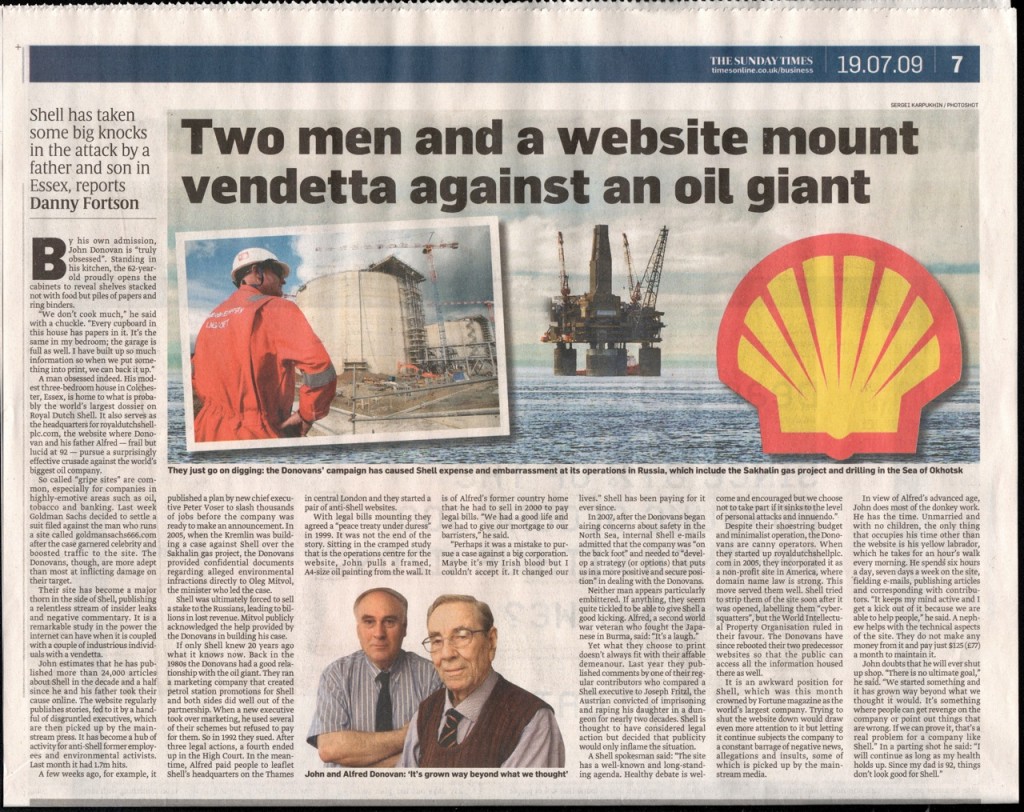
This website and sisters royaldutchshellplc.com, shellnazihistory.com, royaldutchshell.website, johndonovan.website, and shellnews.net, are owned by John Donovan. There is also a Wikipedia segment.


 Royal Dutch Shell conspired directly with Hitler, financed the Nazi Party, was anti-Semitic and sold out its own Dutch Jewish employees to the Nazis. Shell had a close relationship with the Nazis during and after the reign of Sir Henri Deterding, an ardent Nazi, and the founder and decades long leader of the Royal Dutch Shell Group. His burial ceremony, which had all the trappings of a state funeral, was held at his private estate in Mecklenburg, Germany. The spectacle (photographs below) included a funeral procession led by a horse drawn funeral hearse with senior Nazis officials and senior Royal Dutch Shell directors in attendance, Nazi salutes at the graveside, swastika banners on display and wreaths and personal tributes from Adolf Hitler and Reichsmarschall, Hermann Goring. Deterding was an honored associate and supporter of Hitler and a personal friend of Goring.

 Deterding was the guest of Hitler during a four day summit meeting at Berchtesgaden. Sir Henri and Hitler both had ambitions on Russian oil fields. Only an honored personal guest would be rewarded with a private four day meeting at Hitler’s mountain top retreat.


 IN JULY 2007, MR BILL CAMPBELL (ABOVE, A RETIRED GROUP AUDITOR OF SHELL INTERNATIONAL SENT AN EMAIL TO EVERY UK MP AND MEMBER OF THE HOUSE OF LORDS:


 MORE DETAILS:


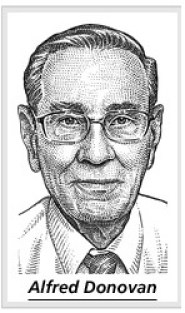 A head-cut image of Alfred Donovan (now deceased) appears courtesy of The Wall Street Journal.