The Guardian: Shell steps on the gas as Libya comes in from the cold
Terry Macalister
Wednesday May 4, 2005
Shell announced plans yesterday to invest up to $637m (£335m) in Libya, the biggest new investment since the country came in from the political cold.
A landmark oil and gas agreement with Muammar Gadafy’s government will see up to $450m spent on potentially quadrupling the size of the Marsa al-Brega liquefied natural gas terminal. This could eventually lead to LNG being exported to Britain and is a tangible success for Tony Blair, who went to Libya 12 months ago to signal relations had thawed with the west.
The country has been a no-go area for most oil companies but this changed 18 months ago when it promised to renounce the pursuit of nuclear, chemical and biological weapons. The US dropped a trade embargo in September.
Shell and other foreign oil companies were active in the north African nation from the 1950s until 1974 when the industry there was nationalised.
US companies such as Occidental Petroleum are negotiating to win back their assets while others have been awarded new exploration acreage.
The Shell deal, first mooted during Mr Blair’s visit, will trigger an immediate search for gas by Shell on five blocks in the prolific Sirte basin. Any finds would be piped to Marsa al-Brega to be prepared for shipment.
Malcolm Brinded, Shell’s executive director of exploration and production, said his company was “delighted” to be back there.
“Libya’s integrated gas industry has enormous potential based on its large gas resources and favourable geographical location,” he said.
Shell has invested billions of pounds worldwide in LNG projects with production facilities being constructed in places such as Nigeria and Russia aimed at supplying north America and southern Europe.
The company has recently signed an agreement to help develop a gas import facility in Sicily, which would be a convenient home for future LNG exports from Marsa al-Brega.
Shell has so far not pursued LNG import opportunities in Britain but company officials privately say that future “spot” cargoes from Libya could end up in the UK.
Marsa al-Brega, on the Libyan coast, has a capacity to produce 700,000 tonnes a year but this could be increased to 3.2m tonnes under the Shell deal with the National Oil Corporation of Libya.
On world markets, oil yesterday continued to trade at around $50 a barrel.
http://www.guardian.co.uk/business/story/0,,1475769,00.html
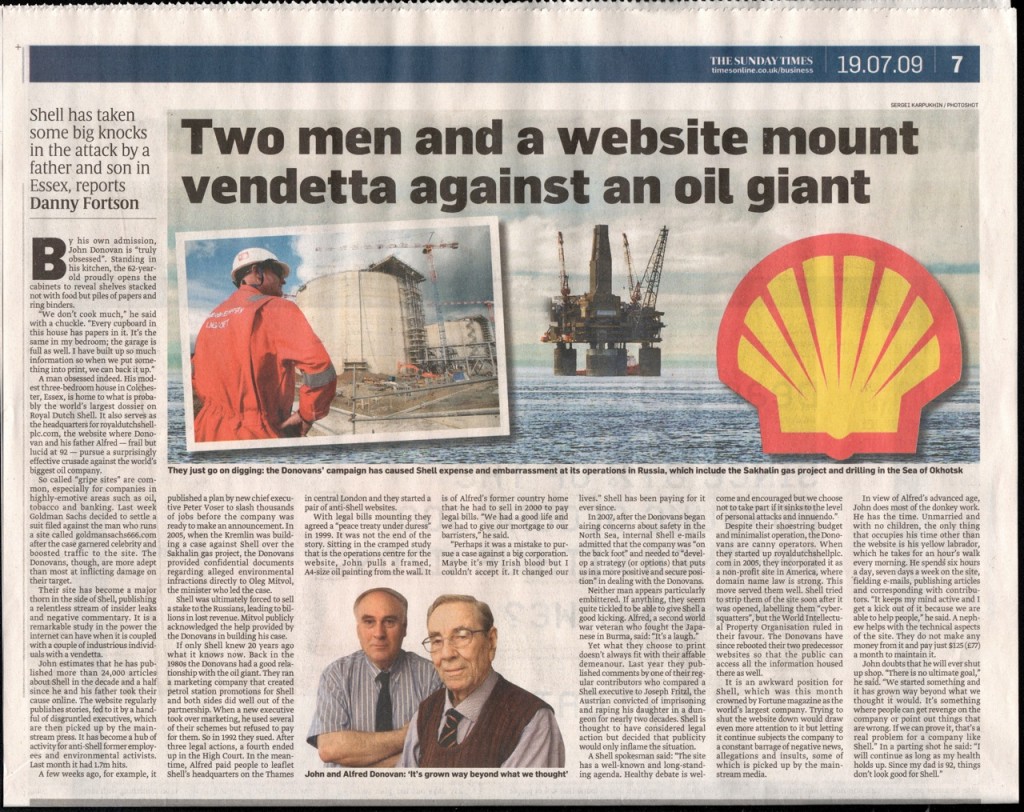
This website and sisters royaldutchshellplc.com, shellnazihistory.com, royaldutchshell.website, johndonovan.website, and shellnews.net, are owned by John Donovan. There is also a Wikipedia segment.


 Royal Dutch Shell conspired directly with Hitler, financed the Nazi Party, was anti-Semitic and sold out its own Dutch Jewish employees to the Nazis. Shell had a close relationship with the Nazis during and after the reign of Sir Henri Deterding, an ardent Nazi, and the founder and decades long leader of the Royal Dutch Shell Group. His burial ceremony, which had all the trappings of a state funeral, was held at his private estate in Mecklenburg, Germany. The spectacle (photographs below) included a funeral procession led by a horse drawn funeral hearse with senior Nazis officials and senior Royal Dutch Shell directors in attendance, Nazi salutes at the graveside, swastika banners on display and wreaths and personal tributes from Adolf Hitler and Reichsmarschall, Hermann Goring. Deterding was an honored associate and supporter of Hitler and a personal friend of Goring.

 Deterding was the guest of Hitler during a four day summit meeting at Berchtesgaden. Sir Henri and Hitler both had ambitions on Russian oil fields. Only an honored personal guest would be rewarded with a private four day meeting at Hitler’s mountain top retreat.


 IN JULY 2007, MR BILL CAMPBELL (ABOVE, A RETIRED GROUP AUDITOR OF SHELL INTERNATIONAL SENT AN EMAIL TO EVERY UK MP AND MEMBER OF THE HOUSE OF LORDS:


 MORE DETAILS:


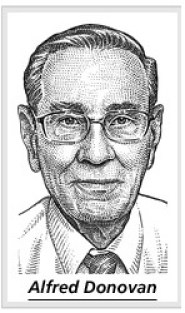 A head-cut image of Alfred Donovan (now deceased) appears courtesy of The Wall Street Journal.