

 By TIM FAULKNER/ecoRI News staff: August 29, 2017
PROVIDENCE — The Conservation Law Foundation (CLF) is again taking on a fossil-fuel titan. This time, the environmental legal firm is suing Royal Dutch Shell and its many subsidiaries for violating the Clean Water Act at its oil storage and fuel terminal on Allens Avenue.
CLF says it was forced to take Shell to court after the Rhode Island Department of Environmental Management (DEM) and the Environmental Protection Agency (EPA) were notified of Clean Water Act violations but failed to take action.
In addition to polluting the Providence River, the terminal is also accused of failing to plan for sea-level rise and other climate-change impacts. According to state flood maps, the terminal would be flooded by any category of hurricane.
“We can’t wait around for the next natural disaster to inundate our communities. Shell’s facility sits on the banks of the Providence River, poised to spew toxic chemicals into our waters and our neighborhoods with no adequate safeguards in place,” CLF president Bradley Campbell said.
The Shell lawsuit is similar to the one CLF filed against ExxonMobil last September. That case accuses the oil giant of failing to adequately protect the Mystic River and the city of Chelsea, Mass., from sea-level rise and for violations of the Clean Water Act. Part of lawsuit alleges that ExxonMobil suppressed it own research on the risks of climate change.
The first court date for the ExxonMobil lawsuit is scheduled for Sept. 12.
The Providence lawsuit claims the Shell terminal discharges toxins into the Providence River. The pollutants pose a threat to marine life and humans, according to the lawsuit. CLF accuses Shell of failing to account for storm surge and increased precipitation as the Clean Water Act requires.
“Shell has knowledge of, and has validated, the scientific certainty that these impacts are occurring or will occur,” according to the lawsuit.
CLF also claims DEM isn’t enforcing violations of Shell’s Rhode Island Pollution Discharge Elimination System permit, known as RIPDES.
The Shell terminal consists of 25 tanks containing gasoline, fuel oil, ethanol, jet fuel and diesel fuel. According to CLF, the facility also stores, handles and disposes of toxic chemicals and metals such as benzene, methyl tertiary butyl ether, and petroleum hydrocarbons.
Shell is the seventh-largest company in the world and the second-largest oil and gas company after ExxonMobil.
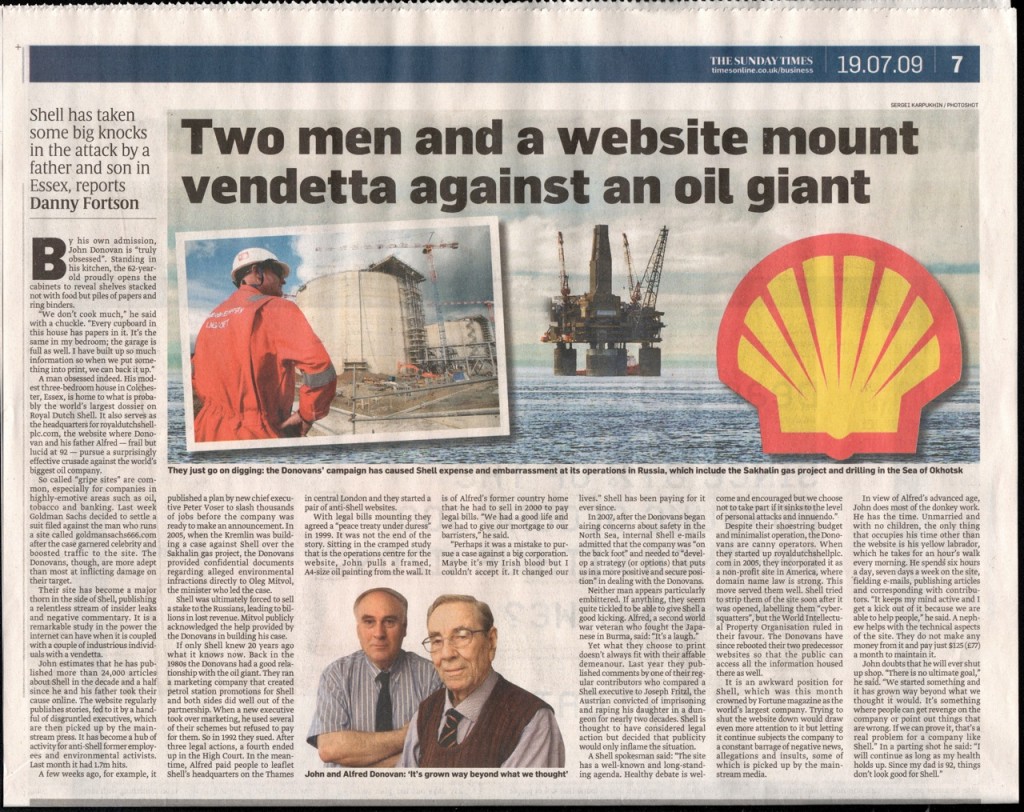
This website and sisters royaldutchshellplc.com, shellnazihistory.com, royaldutchshell.website, johndonovan.website, and shellnews.net, are owned by John Donovan. There is also a Wikipedia segment.


 Royal Dutch Shell conspired directly with Hitler, financed the Nazi Party, was anti-Semitic and sold out its own Dutch Jewish employees to the Nazis. Shell had a close relationship with the Nazis during and after the reign of Sir Henri Deterding, an ardent Nazi, and the founder and decades long leader of the Royal Dutch Shell Group. His burial ceremony, which had all the trappings of a state funeral, was held at his private estate in Mecklenburg, Germany. The spectacle (photographs below) included a funeral procession led by a horse drawn funeral hearse with senior Nazis officials and senior Royal Dutch Shell directors in attendance, Nazi salutes at the graveside, swastika banners on display and wreaths and personal tributes from Adolf Hitler and Reichsmarschall, Hermann Goring. Deterding was an honored associate and supporter of Hitler and a personal friend of Goring.

 Deterding was the guest of Hitler during a four day summit meeting at Berchtesgaden. Sir Henri and Hitler both had ambitions on Russian oil fields. Only an honored personal guest would be rewarded with a private four day meeting at Hitler’s mountain top retreat.


 IN JULY 2007, MR BILL CAMPBELL (ABOVE, A RETIRED GROUP AUDITOR OF SHELL INTERNATIONAL SENT AN EMAIL TO EVERY UK MP AND MEMBER OF THE HOUSE OF LORDS:


 MORE DETAILS:


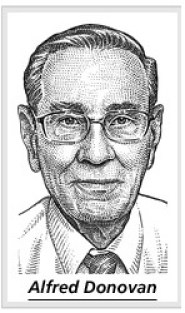 A head-cut image of Alfred Donovan (now deceased) appears courtesy of The Wall Street Journal.