

The plunge in oil prices over the past two years forced the government to draw down on its deposits in the banking system…
By Alaa Shahine and Stefania Bianchi: 25 Sept 2016
Saudi Arabia’s central bank stepped up efforts to support lenders in the Arab world’s biggest economy as they grapple with the effects of low oil prices.
The Saudi Arabian Monetary Agency, as the central bank is known, said it decided to give banks about 20 billion riyals ($5.3 billion) in the form of time deposits “on behalf of government entities.” It’s also introducing seven-day and 28-day repurchase agreements, as part of its “supportive monetary policy.”
The plunge in oil prices over the past two years forced the government to draw down on its deposits in the banking system, squeezing domestic liquidity. That’s pushed up the three-month Saudi Interbank Offered Rate, a key benchmark used for pricing loans, to the highest level since 2009. The central bank was said to have offered lenders 15 billion riyals in short-term loans in June to help ease liquidity constraints.
The move is “the next step in the continuing story we’ve been hearing since the start of the year on the tightening of liquidity among Saudi banks and a follow-on to the first injection provided to banks earlier this year,” said Murad Ansari, a Riyadh-based analyst at investment bank EFG-Hermes. “The liquidity situation remains challenging. However, it shows that the central bank will continue to support Saudi banks.”
The announcement comes as the world’s biggest oil exporter prepares to sell its first international bonds to finance a budget deficit that the International Monetary Fund expects to reach about 13 percent of economic output this year. The economy will likely expand 1.1 percent in 2016, according to a Bloomberg survey, the slowest pace since 2009.
“They don’t want to come to the market with a Eurobond when these concerns aren’t addressed,” said Apostolos Bantis, a Dubai-based credit analyst at Commerzbank AG. “It will show investors that the government is committed to support the banking system.”
The Saudi index for banking shares has declined 17.6 percent this year, compared with a 14.4 percent drop for the benchmark Tadawul All Share Index.
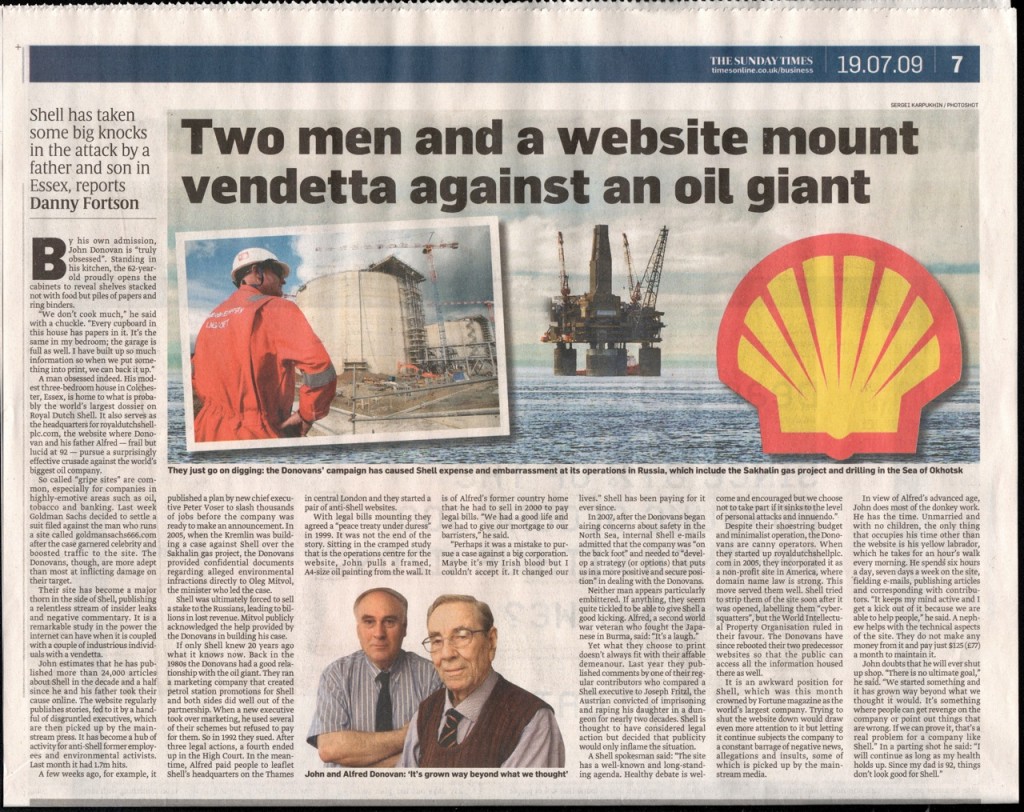
This website and sisters royaldutchshellplc.com, shellnazihistory.com, royaldutchshell.website, johndonovan.website, and shellnews.net, are owned by John Donovan. There is also a Wikipedia segment.


 Royal Dutch Shell conspired directly with Hitler, financed the Nazi Party, was anti-Semitic and sold out its own Dutch Jewish employees to the Nazis. Shell had a close relationship with the Nazis during and after the reign of Sir Henri Deterding, an ardent Nazi, and the founder and decades long leader of the Royal Dutch Shell Group. His burial ceremony, which had all the trappings of a state funeral, was held at his private estate in Mecklenburg, Germany. The spectacle (photographs below) included a funeral procession led by a horse drawn funeral hearse with senior Nazis officials and senior Royal Dutch Shell directors in attendance, Nazi salutes at the graveside, swastika banners on display and wreaths and personal tributes from Adolf Hitler and Reichsmarschall, Hermann Goring. Deterding was an honored associate and supporter of Hitler and a personal friend of Goring.

 Deterding was the guest of Hitler during a four day summit meeting at Berchtesgaden. Sir Henri and Hitler both had ambitions on Russian oil fields. Only an honored personal guest would be rewarded with a private four day meeting at Hitler’s mountain top retreat.


 IN JULY 2007, MR BILL CAMPBELL (ABOVE, A RETIRED GROUP AUDITOR OF SHELL INTERNATIONAL SENT AN EMAIL TO EVERY UK MP AND MEMBER OF THE HOUSE OF LORDS:


 MORE DETAILS:


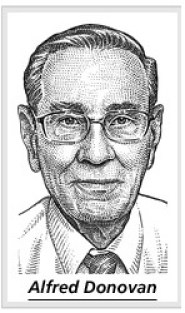 A head-cut image of Alfred Donovan (now deceased) appears courtesy of The Wall Street Journal.