
Apr 23rd 2016
FOR generations, oil and stability have gone hand in hand in Saudi Arabia. The puritanically conservative kingdom has used its oil wealth to buy loyalty at home and friends abroad. But since King Salman came to the throne last year, his 30-year-old son, Muhammad, has injected unpredictability into the Middle East.
Critics consider the deputy crown prince a hothead, whose dangerous obsession with Iran, Saudi Arabia’s rival, is feeding sectarianism and fraying relations with America. At home, though, the impetuousness of Muhammad bin Salman may be just what Saudi Arabia needs to start weaning itself off oil, the price of which has fallen sharply over the past 18 months. A big test comes on April 25th, when the prince is due to unveil the kingdom’s long-delayed “Vision” reform plan.
Under the prince, Saudi Arabia has certainly seemed rash. A year ago it went to war in Yemen, and is now bogged down. In January it executed a prominent Shia cleric, inflaming relations with Iran. Days later the prince revealed to this newspaper plans to float shares in Saudi Aramco, thought to be the world’s biggest company, surprising executives and ministers alike. On April 17th he torpedoed an attempt in Doha by some of the world’s leading oil producers to raise the price of crude by holding output steady. By sinking the agreement at the eleventh hour, he destroyed the credibility of technocrats such as the veteran Saudi oil minister, Ali al-Naimi (see article).
Yet Prince Muhammad also has striking ideas about how to diversify the Saudi economy. The world’s biggest oil power relies on crude oil for nine-tenths of government revenues. With the collapse in prices, the country is expected to post a budget deficit of 13.5% of GDP this year; it is having to cut spending, draw down its reserves and borrow abroad. The rentier model, whereby the Al Sauds distributed largesse and do-nothing public jobs in return for obedience, was under strain even when oil was booming.
Prince Muhammad’s plans include abolishing subsidies, raising new taxes, the part-privatisation of public services and an industrial reform involving Saudi Aramco and SABIC, a petrochemicals giant. But it faces obstacles. One is the weak capacity of the kingdom’s civil service to act on such ambition. Another is the power of the sprawling ruling family and ultra-conservative clerics to block the other reforms needed to attract investment: promoting a vigorous private sector, fostering transparency and the rule of law, and empowering women.
Some of the pain is self-inflicted. Saudi Arabia stopped propping up the price of crude in 2014. Instead it kept pumping oil to drive out higher-cost rivals, including some American shale producers, and preserve its market share. To do otherwise, say the Saudis, would be to subsidise uncompetitive producers. They are also trying to squeeze Iran. Saudi Arabia says it will not freeze production unless Iran does so, too. Iran thinks it has every right to rebuild its output after the lifting of Western nuclear-related sanctions in January (see article).
The American factor
Saudi Arabia is being combative partly because of its fear of abandonment by America. The Al Sauds think that Barack Obama, visiting Riyadh as we went to press, is tilting towards Iran. Mr Obama has stoked fears by calling Gulf states and other allies “free-riders”, and telling the Saudis “to share the neighbourhood” with Iran. This adds to the urgency of reform. Saudi Arabia may have more oil, but Iran has a more diversified economy—and knows how to deal with hardship.
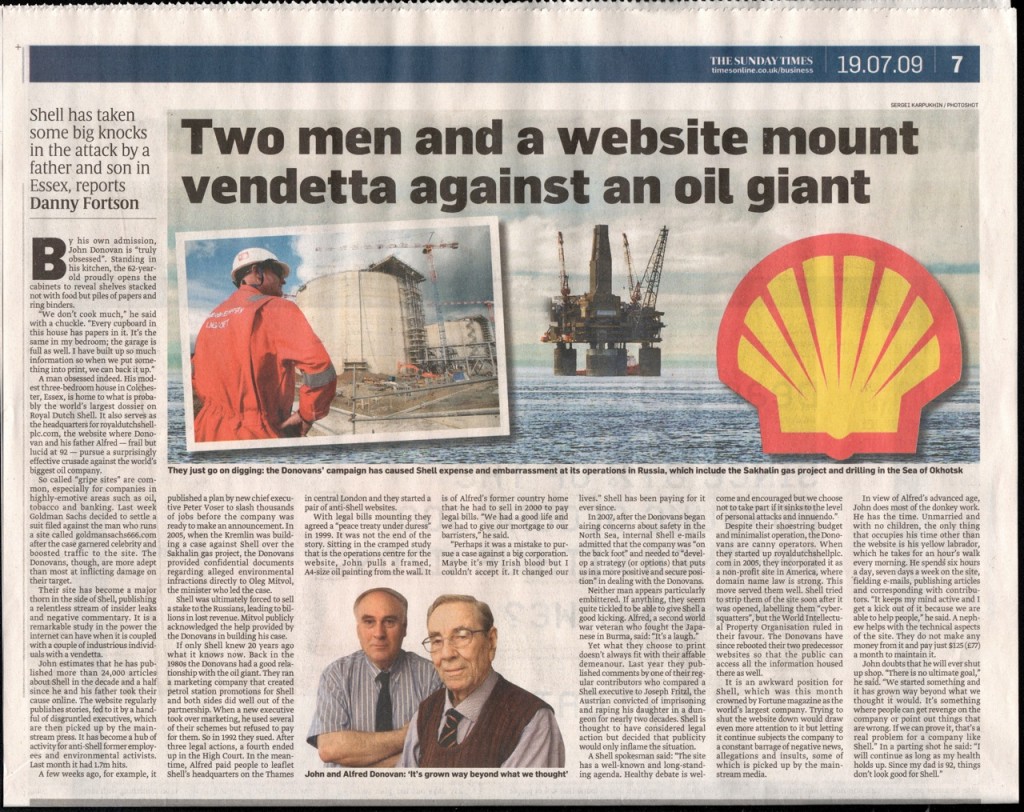
This website and sisters royaldutchshellplc.com, shellnazihistory.com, royaldutchshell.website, johndonovan.website, and shellnews.net, are owned by John Donovan. There is also a Wikipedia segment.


 Royal Dutch Shell conspired directly with Hitler, financed the Nazi Party, was anti-Semitic and sold out its own Dutch Jewish employees to the Nazis. Shell had a close relationship with the Nazis during and after the reign of Sir Henri Deterding, an ardent Nazi, and the founder and decades long leader of the Royal Dutch Shell Group. His burial ceremony, which had all the trappings of a state funeral, was held at his private estate in Mecklenburg, Germany. The spectacle (photographs below) included a funeral procession led by a horse drawn funeral hearse with senior Nazis officials and senior Royal Dutch Shell directors in attendance, Nazi salutes at the graveside, swastika banners on display and wreaths and personal tributes from Adolf Hitler and Reichsmarschall, Hermann Goring. Deterding was an honored associate and supporter of Hitler and a personal friend of Goring.

 Deterding was the guest of Hitler during a four day summit meeting at Berchtesgaden. Sir Henri and Hitler both had ambitions on Russian oil fields. Only an honored personal guest would be rewarded with a private four day meeting at Hitler’s mountain top retreat.


 IN JULY 2007, MR BILL CAMPBELL (ABOVE, A RETIRED GROUP AUDITOR OF SHELL INTERNATIONAL SENT AN EMAIL TO EVERY UK MP AND MEMBER OF THE HOUSE OF LORDS:


 MORE DETAILS:


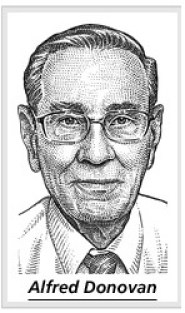 A head-cut image of Alfred Donovan (now deceased) appears courtesy of The Wall Street Journal.