

The world is drowning in oil.
Jan 23rd 2016 | From the print edition
ALONG with bank runs and market crashes, oil shocks have rare power to set monsters loose. Starting with the Arab oil embargo of 1973, people have learnt that sudden surges in the price of oil cause economic havoc. Conversely, when the price slumps because of a glut, as in 1986, it has done the world a power of good. The rule of thumb is that a 10% fall in oil prices boosts growth by 0.1-0.5 percentage points.
In the past 18 months the price has fallen by 75%, from $110 a barrel to below $27. Yet this time the benefits are less certain. Although consumers have gained, producers are suffering grievously. The effects are spilling into financial markets, and could yet depress consumer confidence. Perhaps the benefits of such ultra-cheap oil still outweigh the costs, but markets have fallen so far so fast that even this is no longer clear.
The new economics of oil
The world is drowning in oil. Saudi Arabia is pumping at almost full tilt. It is widely thought that the Saudis want to drive out higher-cost producers from the industry, including some of the fracking firms that have boosted oil output in the United States from 5m barrels a day (b/d) in 2008 to over 9m b/d now. Saudi Arabia will also be prepared to suffer a lot of pain to thwart Iran, its bitter rival, which this week was poised to rejoin oil markets as nuclear sanctions were lifted, with potential output of 3m-4m b/d.
Make the best of it
The oil-price drop creates vast numbers of winners in India and China. It gives oil-dependent economies like Saudi Arabia and Venezuela an urgent reason to embrace reform. It offers oil importers, like South Korea, a chance to tear up wasteful energy subsidies—or boost inflation and curb deficits by raising taxes. But this oil shock comes as the world economy is still coping with the aftermath of the financial crash. You might think that there could be no better time for a boost. In fact, the world could yet be laid low by an oil monster on the prowl.
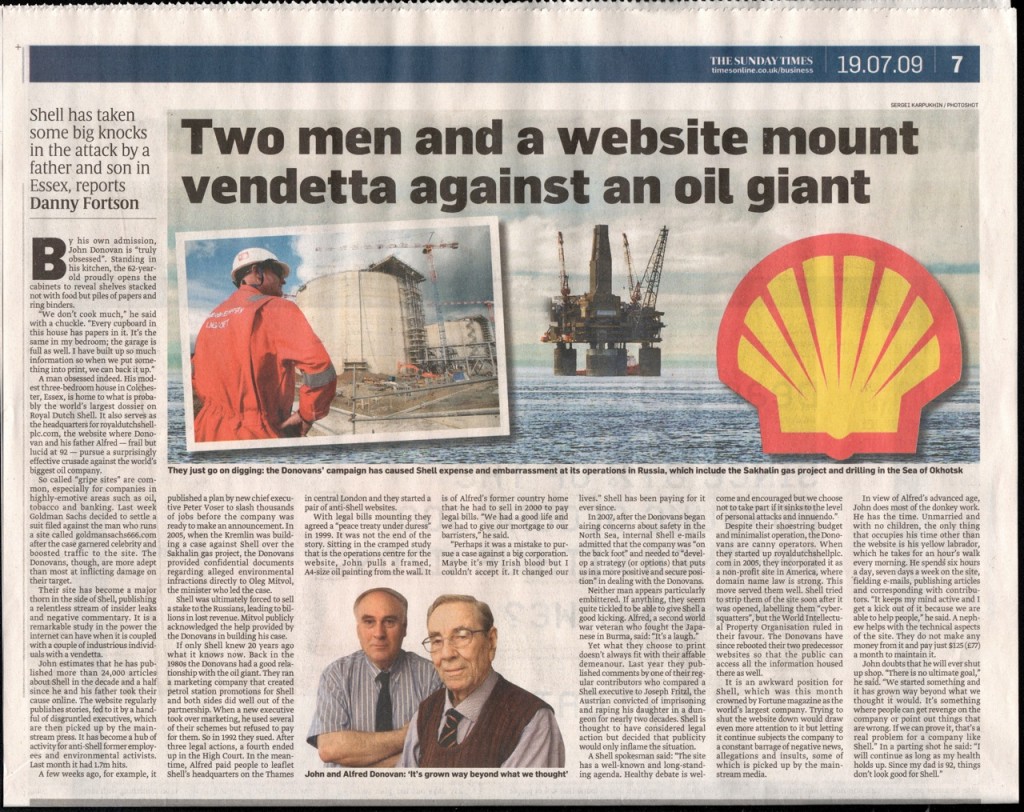
This website and sisters royaldutchshellplc.com, shellnazihistory.com, royaldutchshell.website, johndonovan.website, and shellnews.net, are owned by John Donovan. There is also a Wikipedia segment.


 Royal Dutch Shell conspired directly with Hitler, financed the Nazi Party, was anti-Semitic and sold out its own Dutch Jewish employees to the Nazis. Shell had a close relationship with the Nazis during and after the reign of Sir Henri Deterding, an ardent Nazi, and the founder and decades long leader of the Royal Dutch Shell Group. His burial ceremony, which had all the trappings of a state funeral, was held at his private estate in Mecklenburg, Germany. The spectacle (photographs below) included a funeral procession led by a horse drawn funeral hearse with senior Nazis officials and senior Royal Dutch Shell directors in attendance, Nazi salutes at the graveside, swastika banners on display and wreaths and personal tributes from Adolf Hitler and Reichsmarschall, Hermann Goring. Deterding was an honored associate and supporter of Hitler and a personal friend of Goring.

 Deterding was the guest of Hitler during a four day summit meeting at Berchtesgaden. Sir Henri and Hitler both had ambitions on Russian oil fields. Only an honored personal guest would be rewarded with a private four day meeting at Hitler’s mountain top retreat.


 IN JULY 2007, MR BILL CAMPBELL (ABOVE, A RETIRED GROUP AUDITOR OF SHELL INTERNATIONAL SENT AN EMAIL TO EVERY UK MP AND MEMBER OF THE HOUSE OF LORDS:


 MORE DETAILS:


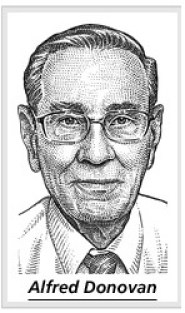 A head-cut image of Alfred Donovan (now deceased) appears courtesy of The Wall Street Journal.