 I can exclusively reveal today that the question of whether Shell was legally obliged to issue a profits warning did not first arise in relation to the final quarter. It was raised at the highest levels of Shell and of the Financial Conduct Authority some months earlier, in between the announcement of Peter Voser’s early retirement and the announcement of the Q3 results.

By John Donovan
Shell shareholders have been faced with a series of shocks, one stunning announcement by Royal Dutch Shell Plc after another.
All rather mysterious and without any credible explanation.
Started with the announcement of Voser’s decision to take early retirement from Shell at the age of 55, as a lifestyle change. It was said at the time to have “stunned investors.”
Next came the surprise announce of Ben van Beurden as his replacement. No one guessed that he was even in the race for the top job at Shell.
Within days of Ben van Beurden taking over as Chief Executive Officer on 1st Jan 2014, Shell announced the sudden mysterious departure of his Executive Director colleague, Peter Rees QC, the global head of Shell’s Legal Department.
Days later, Shell took the markets by complete surprise by announcing a profits warning accompanied by an avalanche of bad news.
It seems highly probable that these two seismic events – the sudden exit of Rees and the issuance of a profits warning – were connected.
Was Peter Rees for or against the profit warning, issued on advice from lawyers?
I can exclusively reveal today that the question of whether Shell was legally obliged to issue a profits warning did not first arise in relation to the final quarter. It was raised at the highest levels of Shell and of the Financial Conduct Authority some months earlier, in between the announcement of Peter Voser’s early retirement and the announcement of the Q3 results.
It is fair to conclude, as would be expected, that the Executive Directors and the Company Secretary of Royal Dutch Shell plc knew long before investors that the company was in serious difficulties of crisis proportion and kept that information secret. It is also fair to speculate, therefore, that at least one executive director took a life changing decision based on that insider knowledge.
PHOTO CREDIT AND RELATED ARTICLE: Energy giant Shell issues shock profits warning
MORE RELATED ARTICLES
Shareholders have grounds to bring lawsuits against Royal Dutch Shell Plc?
CFO Simon Henry: Just how many lives has this Shell fat cat got?
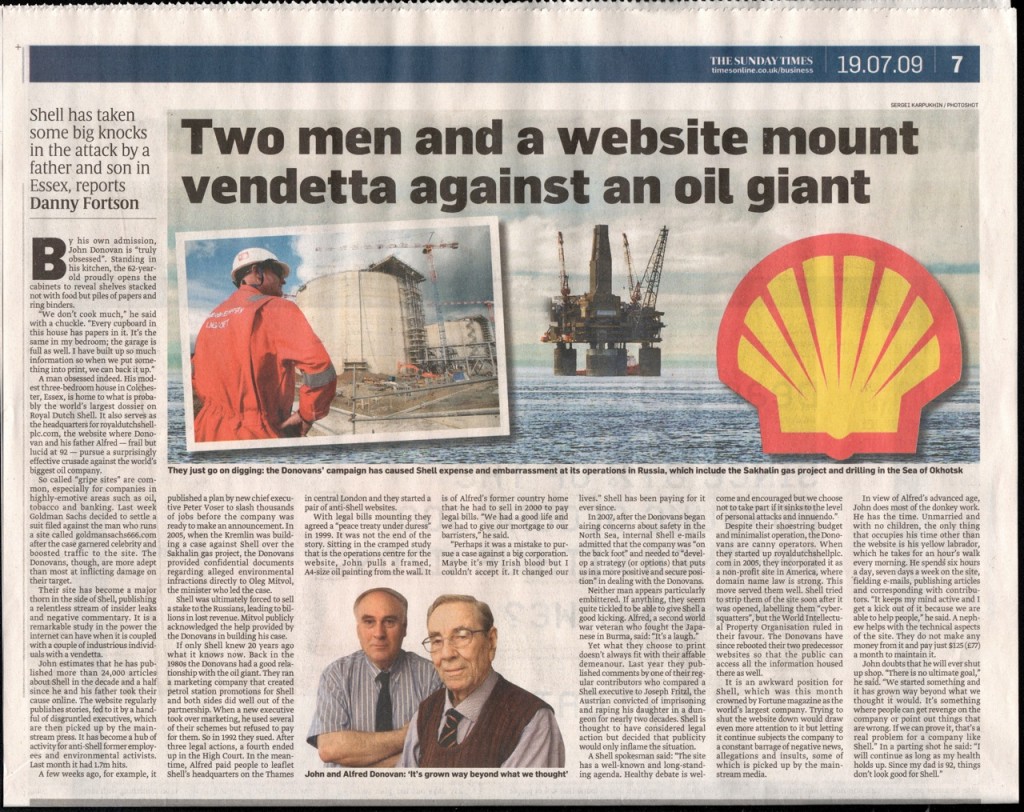
This website and sisters royaldutchshellplc.com, shellnazihistory.com, royaldutchshell.website, johndonovan.website, and shellnews.net, are owned by John Donovan. There is also a Wikipedia segment.


 Royal Dutch Shell conspired directly with Hitler, financed the Nazi Party, was anti-Semitic and sold out its own Dutch Jewish employees to the Nazis. Shell had a close relationship with the Nazis during and after the reign of Sir Henri Deterding, an ardent Nazi, and the founder and decades long leader of the Royal Dutch Shell Group. His burial ceremony, which had all the trappings of a state funeral, was held at his private estate in Mecklenburg, Germany. The spectacle (photographs below) included a funeral procession led by a horse drawn funeral hearse with senior Nazis officials and senior Royal Dutch Shell directors in attendance, Nazi salutes at the graveside, swastika banners on display and wreaths and personal tributes from Adolf Hitler and Reichsmarschall, Hermann Goring. Deterding was an honored associate and supporter of Hitler and a personal friend of Goring.

 Deterding was the guest of Hitler during a four day summit meeting at Berchtesgaden. Sir Henri and Hitler both had ambitions on Russian oil fields. Only an honored personal guest would be rewarded with a private four day meeting at Hitler’s mountain top retreat.


 IN JULY 2007, MR BILL CAMPBELL (ABOVE, A RETIRED GROUP AUDITOR OF SHELL INTERNATIONAL SENT AN EMAIL TO EVERY UK MP AND MEMBER OF THE HOUSE OF LORDS:


 MORE DETAILS:


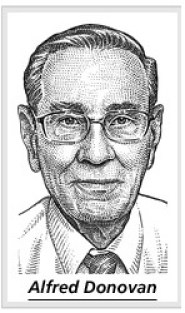 A head-cut image of Alfred Donovan (now deceased) appears courtesy of The Wall Street Journal.