Waves crash over Royal Dutch Shell’s conical drilling unit Kulluk, where it sits aground Jan. 1, 2013, on the southeast side of Sitkalidak Island, Alaska. A unified command, consisting of U.S. Coast Guardsmen; federal, state and local partners; and industry representatives, was established in response to the grounding.

Nations are moving to exploit the commercial potential of the region
By Kira Zalan: December 5, 2013
In late December 2012, the U.S. Coast Guard was dispatched to rescue 18 crew members from the Kulluk, a Royal Dutch Shell drilling rig that had broken free from its tow. The responders battled an Arctic storm that generated near hurricane-strength winds and 50-foot waves, but despite their efforts, the rig ran aground off of a small Alaskan island on New Year’s Eve. The oil rig’s fuel tanks were not breached, according to a Department of the Interior review, but up to 272 gallons of diesel oil may have flowed into the water from shattered lifeboats. The Kulluk incident – the culmination of the first exploratory drilling effort in the U.S. Arctic in almost two decades – demonstrated the perils posed by this remote and harsh area of the world. read more
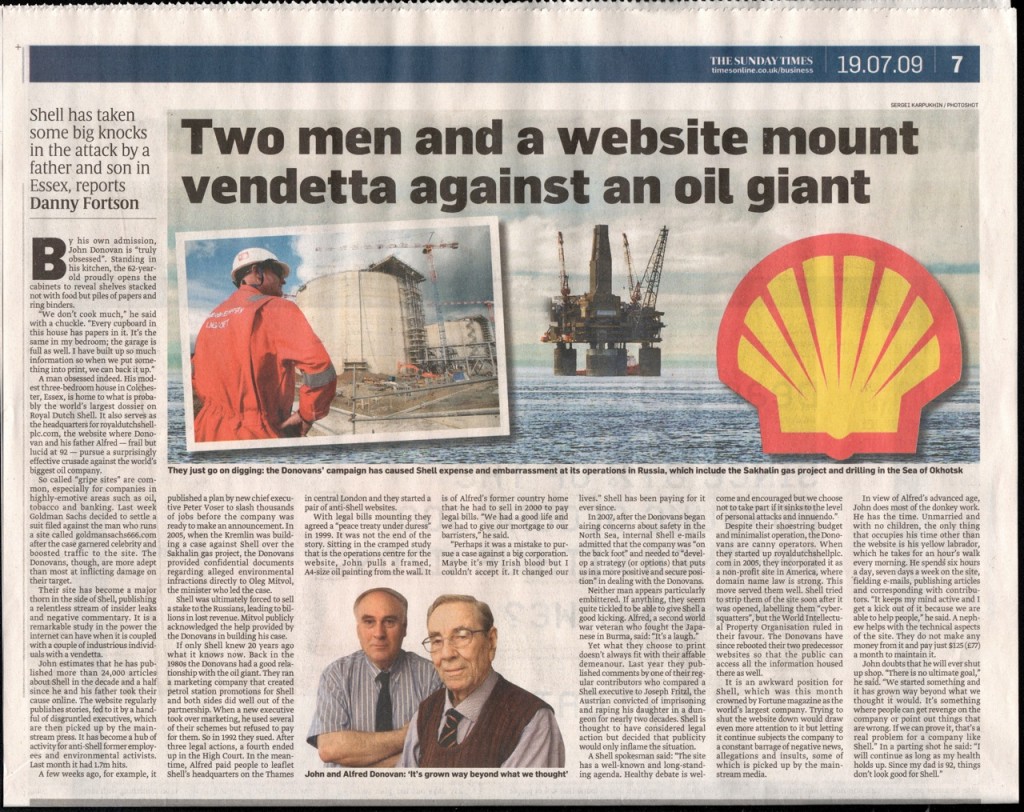
This website and sisters
royaldutchshellplc.com,
shellnazihistory.com,
royaldutchshell.website,
johndonovan.website, and
shellnews.net,
are owned by
John Donovan. There is also a
Wikipedia segment.



 Royal Dutch Shell conspired directly with Hitler, financed the Nazi Party, was anti-Semitic and sold out its own Dutch Jewish employees to the Nazis. Shell had a close relationship with the Nazis during and after the reign of Sir Henri Deterding, an ardent Nazi, and the founder and decades long leader of the Royal Dutch Shell Group. His burial ceremony, which had all the trappings of a state funeral, was held at his private estate in Mecklenburg, Germany. The spectacle (photographs below) included a funeral procession led by a horse drawn funeral hearse with senior Nazis officials and senior Royal Dutch Shell directors in attendance, Nazi salutes at the graveside, swastika banners on display and wreaths and personal tributes from Adolf Hitler and Reichsmarschall, Hermann Goring. Deterding was an honored associate and supporter of Hitler and a personal friend of Goring.

 Deterding was the guest of Hitler during a four day summit meeting at Berchtesgaden. Sir Henri and Hitler both had ambitions on Russian oil fields. Only an honored personal guest would be rewarded with a private four day meeting at Hitler’s mountain top retreat.


 IN JULY 2007, MR BILL CAMPBELL (ABOVE, A RETIRED GROUP AUDITOR OF SHELL INTERNATIONAL SENT AN EMAIL TO EVERY UK MP AND MEMBER OF THE HOUSE OF LORDS:


 MORE DETAILS:


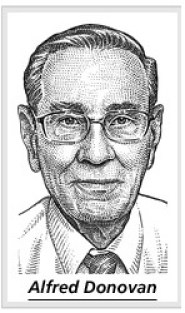 A head-cut image of Alfred Donovan (now deceased) appears courtesy of The Wall Street Journal.