
NOVEMBER 8, 2011
By Gillian Tan
Its been a year to the day since Royal Dutch Shell blindsided Australias largest oil and gas company Woodside Petroleum by selling down a 10% stake for A$3.3 billion (US$3.4 billion).
Appeasing Woodside, Shell promised to hold onto its remaining 24.27% interest for a year unless a takeover offer or a strategic buyer surfaced.
Given that no industry interest arose even when stock fell to a three-year low below A$30 (US$31.08), analysts believe the only way Shell can divest is to return to the market.
Apart from the fact that the stock has lost a fifth of its value since Nov. 8, 2010, the timing seems a little off too.
Theres no liquidity in Woodside at the moment, its not the right environment to be dumping stock, Macquarie analyst Adrian Wood told Deal Journal.
Wood shut down the possibility that Shell could swap its A$6.9 billion stake for equity stakes in Woodsides various liquefied natural gas projects.
An asset swap could have happened at any time in the past 12 months, and I think it is unlikely Woodside would give up growth projects and cancel shares given its the only stock in its sector that needs to justify the fact it is trading at a growth premium, he said.
Shell which failed in its attempt to take over Woodside in 2000 is focusing on solidifying an Australian presence through direct interests in assets and joint ventures.
These include a 25% stake in the A$43 billion Chevron-operated Gorgon LNG project and a 50% stake in Arrow Energy, which it owns with PetroChina.
Woodside Petroleum chief executive Peter Coleman last month told reporters Shell had not flagged any urgency to sell its stake and that Woodside had offered its services to help market it.
BHP Billiton, rumored to be interested in Woodside earlier this year, instead spent US$17 billion on North American shale gas, buying assets from Chesapeake Energy and acquiring Petrohawk Energy.
For now, it seems Woodside is stuck in a classic catch-22. The very presence of Shell on the register is likely to continue weighing on the stock, but the depressed share price means Shell is unlikely to sell out.
A white knight in the form of a takeover could be its only method of rescue.
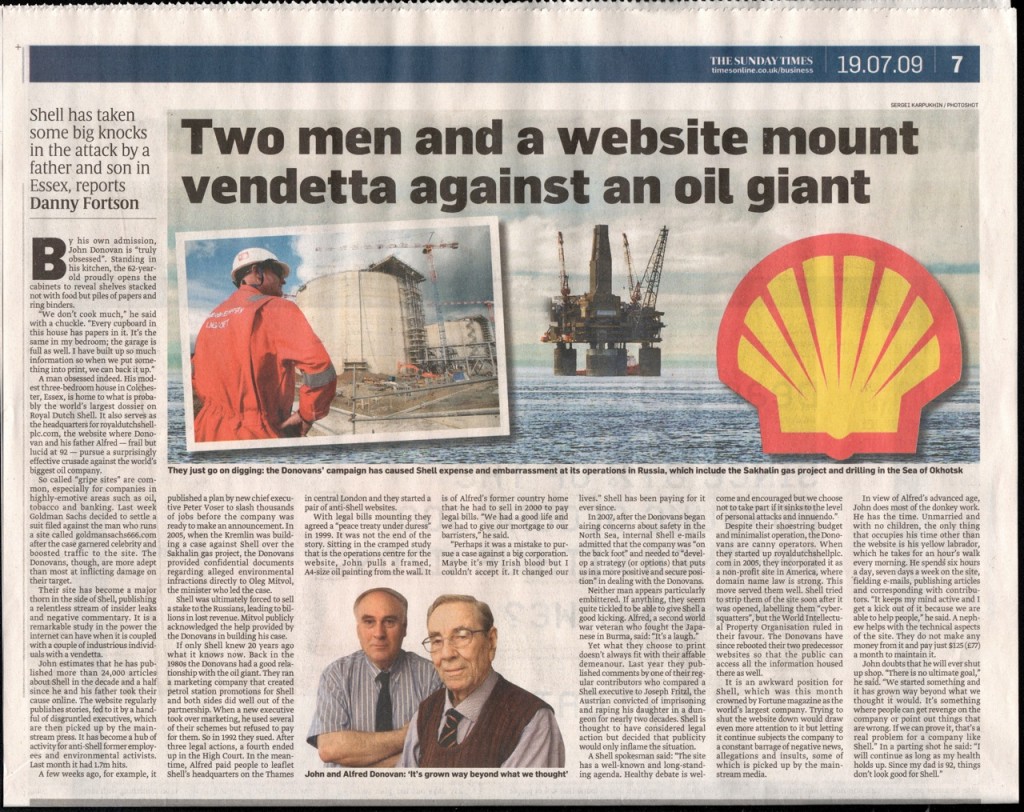
This website and sisters royaldutchshellplc.com, shellnazihistory.com, royaldutchshell.website, johndonovan.website, and shellnews.net, are owned by John Donovan. There is also a Wikipedia segment.


 Royal Dutch Shell conspired directly with Hitler, financed the Nazi Party, was anti-Semitic and sold out its own Dutch Jewish employees to the Nazis. Shell had a close relationship with the Nazis during and after the reign of Sir Henri Deterding, an ardent Nazi, and the founder and decades long leader of the Royal Dutch Shell Group. His burial ceremony, which had all the trappings of a state funeral, was held at his private estate in Mecklenburg, Germany. The spectacle (photographs below) included a funeral procession led by a horse drawn funeral hearse with senior Nazis officials and senior Royal Dutch Shell directors in attendance, Nazi salutes at the graveside, swastika banners on display and wreaths and personal tributes from Adolf Hitler and Reichsmarschall, Hermann Goring. Deterding was an honored associate and supporter of Hitler and a personal friend of Goring.

 Deterding was the guest of Hitler during a four day summit meeting at Berchtesgaden. Sir Henri and Hitler both had ambitions on Russian oil fields. Only an honored personal guest would be rewarded with a private four day meeting at Hitler’s mountain top retreat.


 IN JULY 2007, MR BILL CAMPBELL (ABOVE, A RETIRED GROUP AUDITOR OF SHELL INTERNATIONAL SENT AN EMAIL TO EVERY UK MP AND MEMBER OF THE HOUSE OF LORDS:


 MORE DETAILS:


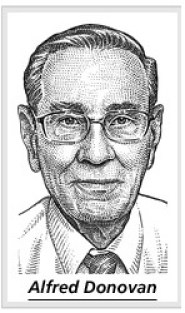 A head-cut image of Alfred Donovan (now deceased) appears courtesy of The Wall Street Journal.