Daily Telegraph: Royal Dutch Shell has moved to take shared control of the world’s largest sugar processor in the hope of promoting ethanol as a green fuel for US and European markets.
By Rowena Mason
Published: 5:30AM GMT 02 Feb 2010

Brazil’s Cosan, the world’s largest ethanol and sugar processor, agreed to merge its ethanol and fuel distribution units with Royal Dutch Shell. A man uses an ethanol pump in a Shell gas station in Sao Paulo. Photo: Reuters
The oil major has signed an agreement to form a new company with Cosan, a Brazilian industrial group.
Cosan will provide $5bn of its assets, including all its production facilities and an ethanol-trading unit, while Shell will contribute $2bn in cash, 2,740 service stations, and stakes in two green technology businesses. The 50-50 joint venture will assume Cosan’s $2.5bn of debt.
The two companies want to increase production at Cosan’s mills from 2bn to around 5bn litres of ethanol, exporting the fuel beyond Brazil’s relatively mature market.
“This venture represents the best entry of scale into sustainable biofuels,” Mark Williams, head of Shell’s downstream business. “It is the biggest move into biofuels of an international oil company.”
Peter Voser, Shell’s chief executive, has pledged to concentrate on developing biofuels and clean coal, as part of the company’s attempt to reduce its carbon dioxide emissions.
The two companies claim that biofuel made from ethanol emits more than 70pc less carbon dioxide than traditional fuels. However, not all vehicles can run purely on ethanol, so the net reduction is more like 18pc for a typical 25-75 biofuel-petrol blend.
Codexis and Iogen, the two green technology businesses part-owned by Shell, have been trying to improve the carbon dioxide savings. If these two companies can work out how to use the waste material of sugarcane production for better ethanol fuel, it would be a “dream come true,” Mr Williams said.
BP, which overtook Shell as Europe’s largest oil company last month, agreed two years ago to invest in a Brazilian ethanol venture Tropical BioEnergia, pledging $6bn to boost production over the next decade.
Separately, Centrica, the owner of British Gas, will press ahead with five new trial plants to make gas from cattle slurry, food and household waste. The first gas could go into the grid and start heating homes this summer.
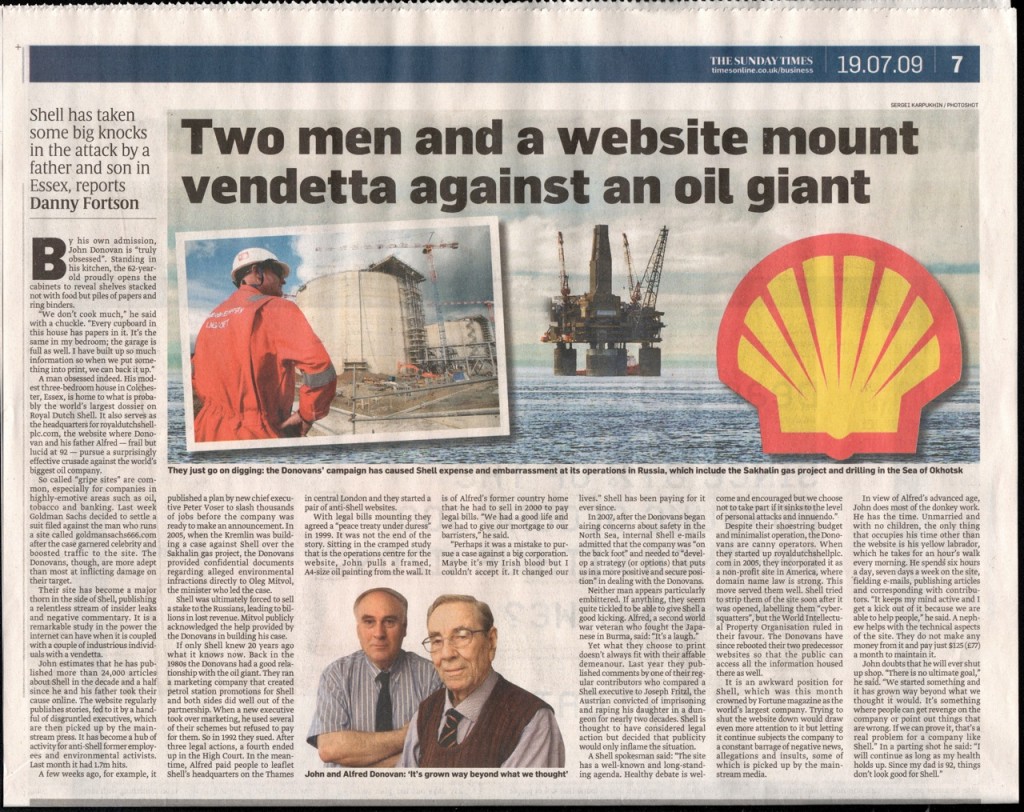
This website and sisters royaldutchshellplc.com, shellnazihistory.com, royaldutchshell.website, johndonovan.website, and shellnews.net, are owned by John Donovan. There is also a Wikipedia segment.


 Royal Dutch Shell conspired directly with Hitler, financed the Nazi Party, was anti-Semitic and sold out its own Dutch Jewish employees to the Nazis. Shell had a close relationship with the Nazis during and after the reign of Sir Henri Deterding, an ardent Nazi, and the founder and decades long leader of the Royal Dutch Shell Group. His burial ceremony, which had all the trappings of a state funeral, was held at his private estate in Mecklenburg, Germany. The spectacle (photographs below) included a funeral procession led by a horse drawn funeral hearse with senior Nazis officials and senior Royal Dutch Shell directors in attendance, Nazi salutes at the graveside, swastika banners on display and wreaths and personal tributes from Adolf Hitler and Reichsmarschall, Hermann Goring. Deterding was an honored associate and supporter of Hitler and a personal friend of Goring.

 Deterding was the guest of Hitler during a four day summit meeting at Berchtesgaden. Sir Henri and Hitler both had ambitions on Russian oil fields. Only an honored personal guest would be rewarded with a private four day meeting at Hitler’s mountain top retreat.


 IN JULY 2007, MR BILL CAMPBELL (ABOVE, A RETIRED GROUP AUDITOR OF SHELL INTERNATIONAL SENT AN EMAIL TO EVERY UK MP AND MEMBER OF THE HOUSE OF LORDS:


 MORE DETAILS:


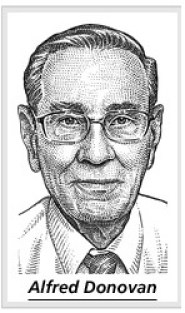 A head-cut image of Alfred Donovan (now deceased) appears courtesy of The Wall Street Journal.