heraldsun.com.au
December 26, 2008 12:00am
THAT lump of coal in your Christmas stocking might not be so useless after all.
Coal once powered steam trains and within decades it could be fuelling cars and trucks, ending Australia’s dependence on oil imports.
Synthetic fuel extracted from coal is being considered for use as a low carbon emitting substitute for petrol.
It has been estimated up to 20 per cent of Australia’s transport fuel needs could be supplied from coal by 2050.
Australia has enough black coal to last 180 years and 25 per cent of the world’s recoverable supplies of brown coal.
A report by the federal Parliamentary Library says coal can be dissolved, combined with hydrogen and refined to produce fuel suitable for use in transport.
“Whether a direct or indirect process is used, the resulting synthetic transport fuels are cleaner-burning than diesel and petrol, with no sulphur emissions, and lower nitrous oxide, particulate matter, hydrocarbon, and carbon monoxide emissions,” report author Julie Styles wrote.
Dangerous carbon gases are removed during the production process and could theoretically be stored underground. Other waste is non-hazardous and could be used as a building material.
Dr Styles said high capital costs could limit the growth of the carbon-to-liquid industry.
But this could change after the Rudd Government’s carbon pollution reduction scheme begins.
“If (carbon capture and storage) technology and deployment matures, this may provide the economic conditions under which coal-to-liquid could become viable,” she said.
About 30 per cent of South Africa’s transport fuel comes from coal.
Monica Richter from the Australian Conservation Foundation said coal-to-liquid was not the answer to Australia’s transport fuel needs because it took large amounts of energy to produce.
“From the point of view of trying to meet a greenhouse commitment it’s absolutely the wrong way to go,” Ms Richter said.
Royal Dutch Shell and Anglo-American recently shelved a $5 billion project to convert coal to diesel in the Latrobe Valley until further research was carried out.
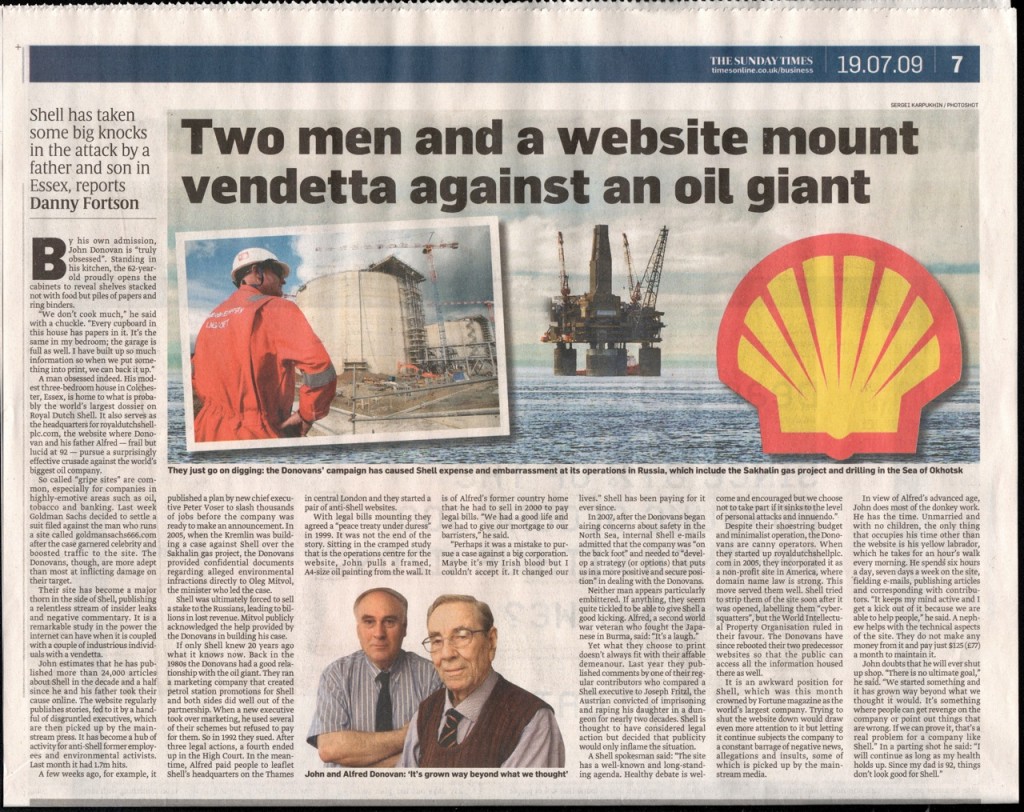
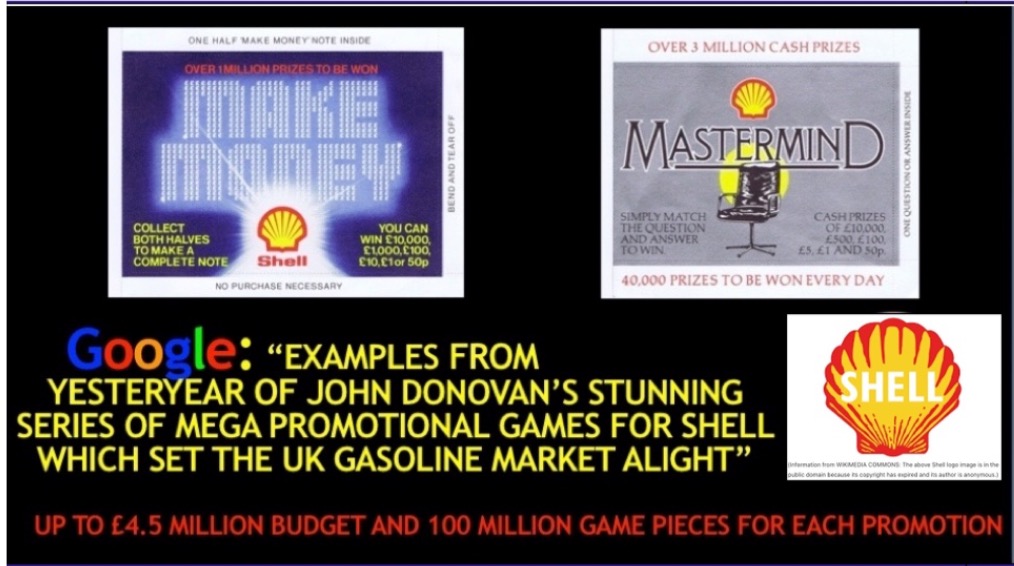
This website and sisters royaldutchshellplc.com, shellnazihistory.com, royaldutchshell.website, johndonovan.website, and shellnews.net, are owned by John Donovan. There is also a Wikipedia segment.


 Royal Dutch Shell conspired directly with Hitler, financed the Nazi Party, was anti-Semitic and sold out its own Dutch Jewish employees to the Nazis. Shell had a close relationship with the Nazis during and after the reign of Sir Henri Deterding, an ardent Nazi, and the founder and decades long leader of the Royal Dutch Shell Group. His burial ceremony, which had all the trappings of a state funeral, was held at his private estate in Mecklenburg, Germany. The spectacle (photographs below) included a funeral procession led by a horse drawn funeral hearse with senior Nazis officials and senior Royal Dutch Shell directors in attendance, Nazi salutes at the graveside, swastika banners on display and wreaths and personal tributes from Adolf Hitler and Reichsmarschall, Hermann Goring. Deterding was an honored associate and supporter of Hitler and a personal friend of Goring.

 Deterding was the guest of Hitler during a four day summit meeting at Berchtesgaden. Sir Henri and Hitler both had ambitions on Russian oil fields. Only an honored personal guest would be rewarded with a private four day meeting at Hitler’s mountain top retreat.


 IN JULY 2007, MR BILL CAMPBELL (ABOVE, A RETIRED GROUP AUDITOR OF SHELL INTERNATIONAL SENT AN EMAIL TO EVERY UK MP AND MEMBER OF THE HOUSE OF LORDS:


 MORE DETAILS:


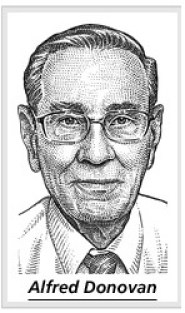 A head-cut image of Alfred Donovan (now deceased) appears courtesy of The Wall Street Journal.