
Published: December 24 2008 02:00 | Last updated: December 24 2008 02:00
Gas exporting countries’ Christmas present to the west was a long-feared “gas Opec”, as ministers meeting in Moscow yesterday transformed what had been an occasional talking shop into a formal body with a permanent secretariat. For now, Russia is probably right that “Gopec” cannot control output and prices. First, unlike oil, natural gas relies overwhelmingly on pipelines to deliver it to end-users, limiting scope for trading. It will take years for the market for liquefied natural gas – like crude, carried by tankers – to develop enough to create a big spot market.
Second, it does not make sense for Russia and other gas powers to push prices too high in the short term. Better to increase gas’s share of energy supplies, promoting it as reliable and competitive, than to scare energy importers into developing alternatives such as nuclear power.
But Gopec’s emergence is, nonetheless, significant. Russia has systematically wooed gas producers, including Iran, Nigeria, Libya, Algeria and Qatar. It clearly aims to play a co-ordinating role among producers, and has a hand in virtually all existing and prospective supply routes to Europe. Theoretically, it could co-ordinate which resources producers choose to develop and when they come on stream – increasing longer-term pricing power.
Moreover, Uralsib, a Moscow investment bank, suggests Gopec’s formation will leave control of gas development, especially LNG, in the hands of members’ national energy companies. The likes of ExxonMobil, BP and Shell may be relegated to minority stakes. Russia may also invite Gopec energy companies to help exploit its gas reserves. That way, Gulf states, especially those without their own gas, gain access to coveted reserves. Russia gets help raising the hundreds of billions of dollars needed to develop its remote gas provinces. And it gains a useful bargaining chip for times when, as now, it is under pressure to join in Opec’s oil production cuts.
Copyright The Financial Times Limited 2008
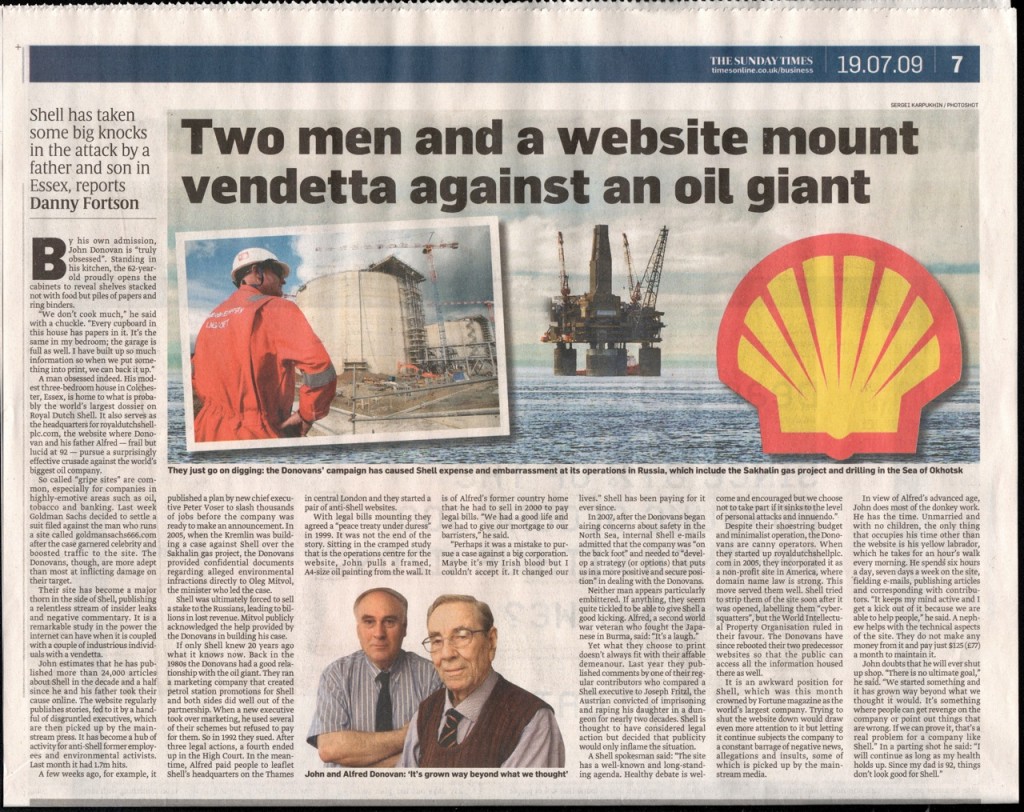
This website and sisters royaldutchshellplc.com, shellnazihistory.com, royaldutchshell.website, johndonovan.website, and shellnews.net, are owned by John Donovan. There is also a Wikipedia segment.


 Royal Dutch Shell conspired directly with Hitler, financed the Nazi Party, was anti-Semitic and sold out its own Dutch Jewish employees to the Nazis. Shell had a close relationship with the Nazis during and after the reign of Sir Henri Deterding, an ardent Nazi, and the founder and decades long leader of the Royal Dutch Shell Group. His burial ceremony, which had all the trappings of a state funeral, was held at his private estate in Mecklenburg, Germany. The spectacle (photographs below) included a funeral procession led by a horse drawn funeral hearse with senior Nazis officials and senior Royal Dutch Shell directors in attendance, Nazi salutes at the graveside, swastika banners on display and wreaths and personal tributes from Adolf Hitler and Reichsmarschall, Hermann Goring. Deterding was an honored associate and supporter of Hitler and a personal friend of Goring.

 Deterding was the guest of Hitler during a four day summit meeting at Berchtesgaden. Sir Henri and Hitler both had ambitions on Russian oil fields. Only an honored personal guest would be rewarded with a private four day meeting at Hitler’s mountain top retreat.


 IN JULY 2007, MR BILL CAMPBELL (ABOVE, A RETIRED GROUP AUDITOR OF SHELL INTERNATIONAL SENT AN EMAIL TO EVERY UK MP AND MEMBER OF THE HOUSE OF LORDS:


 MORE DETAILS:


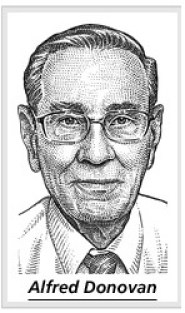 A head-cut image of Alfred Donovan (now deceased) appears courtesy of The Wall Street Journal.