Clean energy
Published: December 3 2008 02:00 | Last updated: December 3 2008 02:00
As Kermit the Frog observed, it’s not easy being green. Royal Dutch Shell and Anglo American yesterday became the latest natural resources companies to shelve a clean energy scheme. Their joint A$5bn project in Australia to convert coal into liquid fuels may go ahead, eventually, but not with development costs this high and an oil price this low.
The about-turn caps a miserable year for alt-energy enthusiasts. The WilderHill New Energy index is down almost two-thirds this year, erasing all the gains, and more, of the past three years. Banks are refusing debt finance and equity markets have shut up shop. Global IPO volume for hydro, wind, solar and biofuel companies is under $4bn in the year to date, according to Dealogic – down from $14bn in 2007. Private equity is only partially bridging the shortfall.
It is not surprising that the majors, too, are getting back to basics. Over the past four years, in spite of big increases in rig count and total capital spending, reserve replacement rates from drilling among the global integrated oil and gas companies has averaged just 70 per cent. Keeping wells pumping will always be preferable to sinking precious capital into large projects with uncertain returns far in the future.
At the UN climate change conference in Poznan, governments will probably agree to heap on the incentives – tax breaks, credit guarantees, political risk cover – to kick-start the financing of green energy projects. Meanwhile the bigger ambitions remain intact: China, for example, wants 30 gigawatts of installed wind energy capacity by 2020. US President-elect Barack Obama has promised some kind of “green stimulus”. But policymakers have limited powers to force the pace of private investment. Banks cannot be easily coerced into lending to fragile small-caps. The majors, meanwhile, have an entirely understandable impulse to save their own balance sheets before saving the world.
Copyright The Financial Times Limited 2008
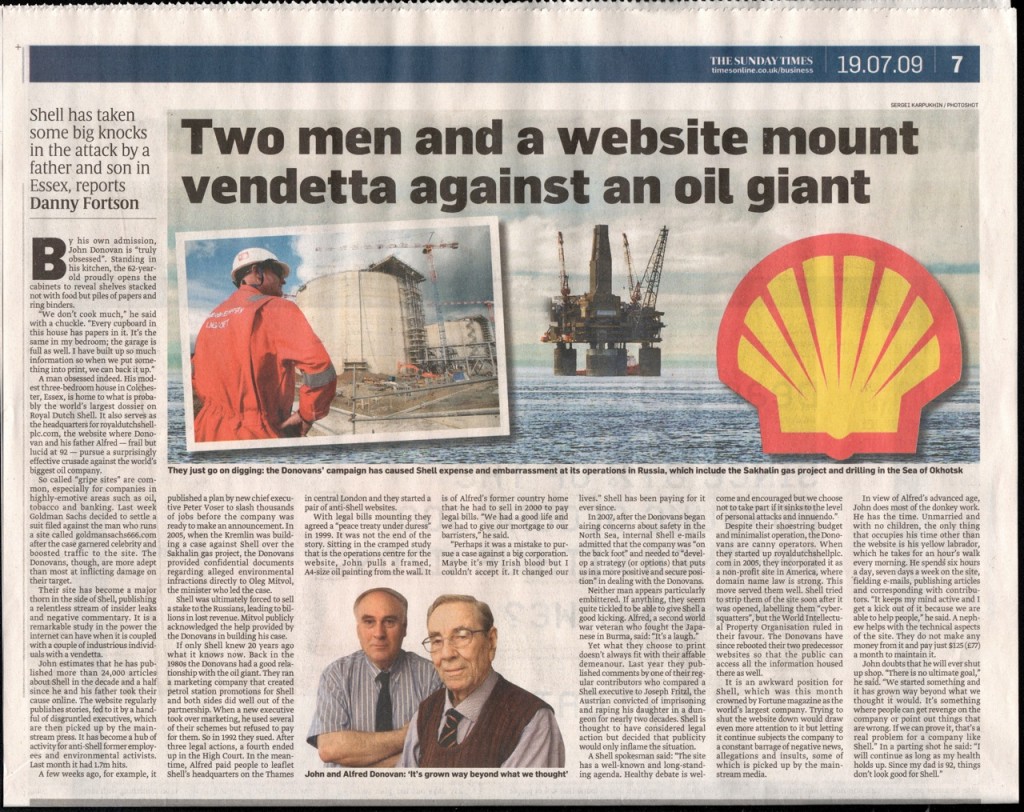
This website and sisters royaldutchshellplc.com, shellnazihistory.com, royaldutchshell.website, johndonovan.website, and shellnews.net, are owned by John Donovan. There is also a Wikipedia segment.


 Royal Dutch Shell conspired directly with Hitler, financed the Nazi Party, was anti-Semitic and sold out its own Dutch Jewish employees to the Nazis. Shell had a close relationship with the Nazis during and after the reign of Sir Henri Deterding, an ardent Nazi, and the founder and decades long leader of the Royal Dutch Shell Group. His burial ceremony, which had all the trappings of a state funeral, was held at his private estate in Mecklenburg, Germany. The spectacle (photographs below) included a funeral procession led by a horse drawn funeral hearse with senior Nazis officials and senior Royal Dutch Shell directors in attendance, Nazi salutes at the graveside, swastika banners on display and wreaths and personal tributes from Adolf Hitler and Reichsmarschall, Hermann Goring. Deterding was an honored associate and supporter of Hitler and a personal friend of Goring.

 Deterding was the guest of Hitler during a four day summit meeting at Berchtesgaden. Sir Henri and Hitler both had ambitions on Russian oil fields. Only an honored personal guest would be rewarded with a private four day meeting at Hitler’s mountain top retreat.


 IN JULY 2007, MR BILL CAMPBELL (ABOVE, A RETIRED GROUP AUDITOR OF SHELL INTERNATIONAL SENT AN EMAIL TO EVERY UK MP AND MEMBER OF THE HOUSE OF LORDS:


 MORE DETAILS:


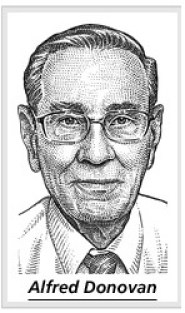 A head-cut image of Alfred Donovan (now deceased) appears courtesy of The Wall Street Journal.